White Mother Of Pearl Shell
White mother of pearl shell is a natural material made from the nacre taken from the shell of the white-lipped pearl oyster, and is a representative material for shell buttons with a bright, elegant luster.
Contents6 sections
Definition and Overview
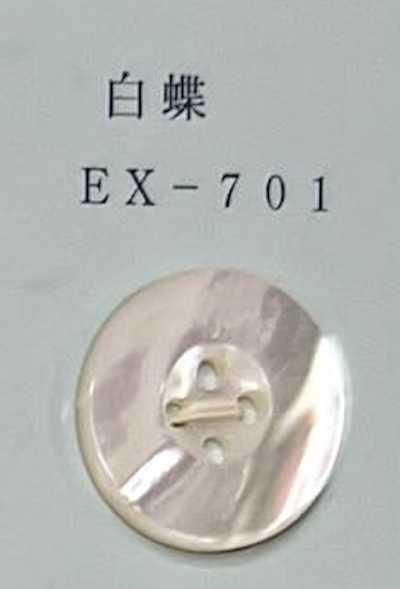
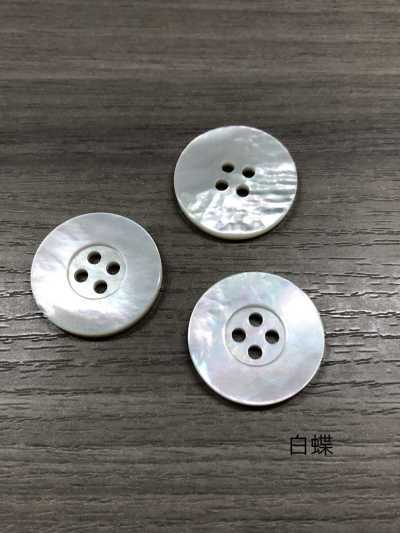
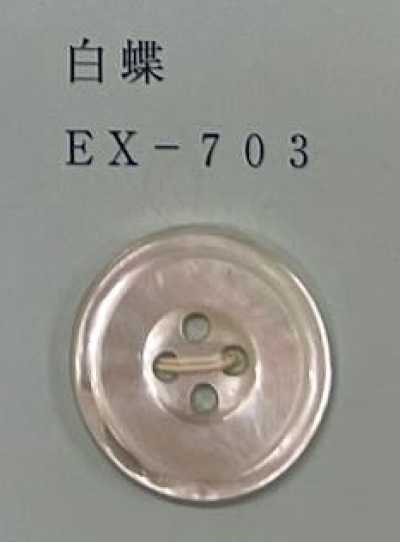
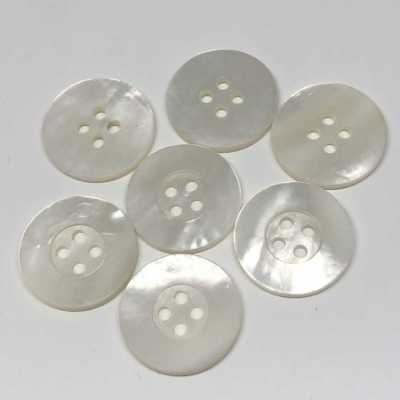
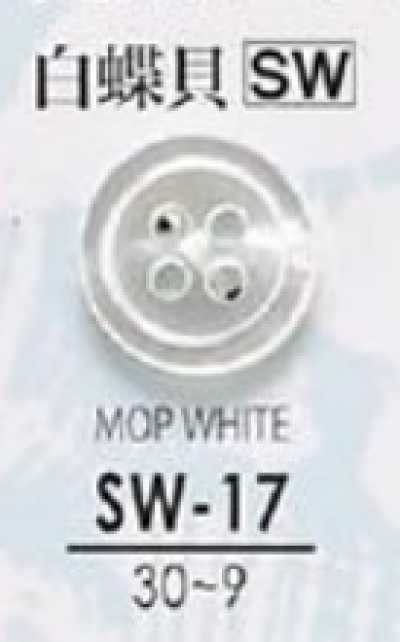
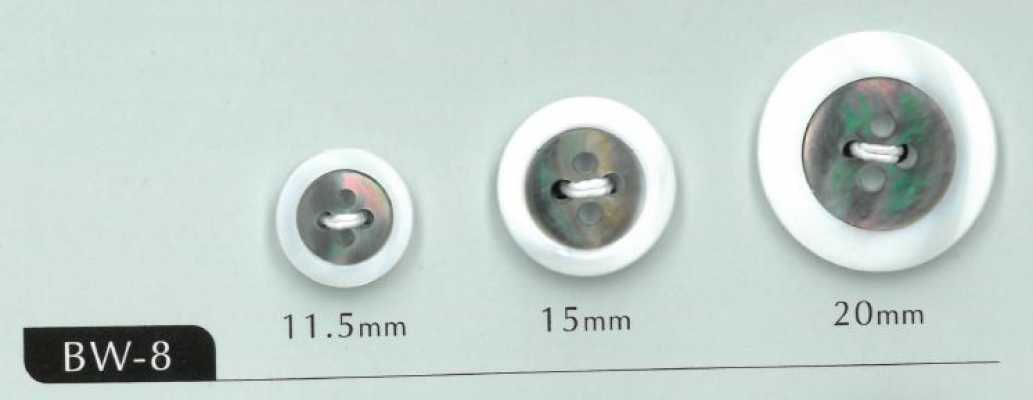
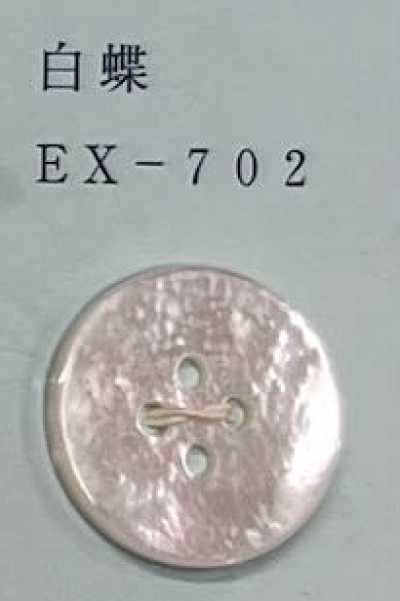
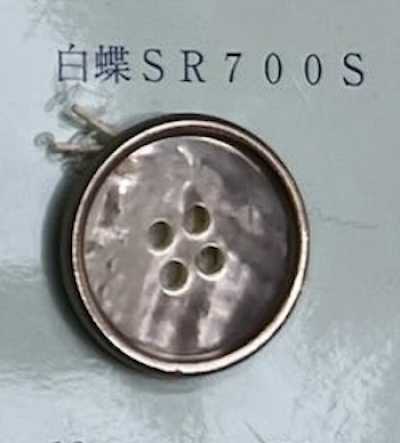
White mother-of-pearl is a natural shell material made by processing the nacre found in the shell of the white-lipped pearl oyster. Based on white to milky white tones, it has a delicate sheen that can appear iridescent depending on the angle and the individual piece. For buttons, its natural luster on the surface and the unique look of each piece are its defining features.
Among shell buttons, trochus shell is often comparatively pale and uniform in tone, while black mother-of-pearl has a deep sheen in gray to black tones. White mother-of-pearl is chosen when the bright, elegant pearly luster of this material is to be emphasized.
Material and Structure
White mother-of-pearl buttons are made by cutting the shell into slabs, shaping them, and then drilling and polishing them. Because they are a natural material, color, sheen, thickness, and pattern vary from piece to piece. The layered appearance and small color differences visible on the surface are treated as inherent characteristics of the material.
Common styles include two-hole, four-hole, and cat's eye hole types. For thicker garments or specifications that emphasize decoration, shank styles with a foot on the back are also used. However, the hole or shank shape is not part of the material name white mother-of-pearl; it is confirmed in the individual button specification.
- Two-hole / four-hole: basic styles sewn on by passing thread through the holes.
- Cat's eye: a style in which the thread is hooked into a central groove, keeping the thread less visible on the surface.
- Shank: a style that lets the thread pass through a foot on the back, making the front look neater.
Size Notation
The diameter of buttons is expressed in mm as well as in lignes. Ligne is a traditional unit used for buttons, and 1 ligne equals 2.54 mm. In purchase orders and specifications, check the correspondence between lignes and mm, and listing the actual size as well can help prevent misunderstandings.
Even with the same diameter, appearance and ease of sewing vary depending on thickness, roundness, hole size, and hole spacing. When combined with a buttonhole, it is important to check the actual button not only for diameter but also for thickness and edge shape.
Main Applications
White mother-of-pearl buttons are often used for shirt and blouse plackets, cuffs, and collars. They pair well with light to medium-weight refined garments, and their sheen can be used as an accent. They are also used on dresses, cardigans, and the inside or cuffs of jackets.
When deciding on applications, consider harmony with the fabric color and surface texture, as well as how often the garment will be put on and taken off and the required strength. When using large or thick buttons on a front opening, include the buttonhole stitching, sewing thread, and whether a backing button is needed in the specification.
Attachment and Handling Notes
Hole types are sewn on with button sewing thread, and if needed, thread wrapping is added to create a small gap between the button and the fabric. On light fabrics or areas under stress, attaching a backing button on the reverse side helps distribute the load on the fabric. Avoid overtightening, as this may cause chipping or cracking.
Although shell is hard, it is vulnerable to impact, and chipping or cracking may occur through contact with other garments or metal parts during washing. When washing, turning the garment inside out and placing it in a laundry net is an effective way to reduce button-to-button collision. Using bleach or strong chemicals may alter the surface of the material.
Whether dry cleaning or ironing is allowed should be judged not by the button alone, but based on the care label for the entire product and the test results. Do not apply a hot iron directly; use a pressing cloth and avoid the button when finishing. Since long-term use may cause changes in sheen or surface scratches, take care to avoid pressure and friction during storage.
Frequently Asked Questions
What is the difference between white mother-of-pearl, trochus shell, and black mother-of-pearl?
All are natural materials used for shell buttons, but the main differences are color tone and sheen. White mother-of-pearl is characterized by a bright pearly luster in white to milky white tones, trochus shell by a relatively pale and gentle look, and black mother-of-pearl by a deep sheen in gray to black tones. Because they are natural materials, individual variation should also be checked.
Can white mother-of-pearl buttons be machine washed at home?
The starting point is to follow the care label on the product. Since white mother-of-pearl may be affected by impact or chemicals, it is safer to turn the garment inside out, place it in a laundry net, and avoid contact with other hard accessories. Avoid strong bleach and high-temperature ironing directly on the buttons.