Toggle Button
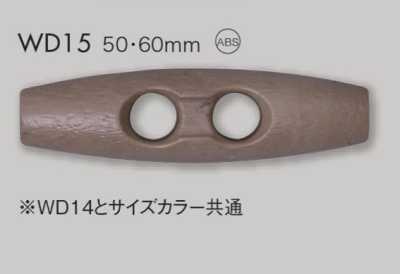
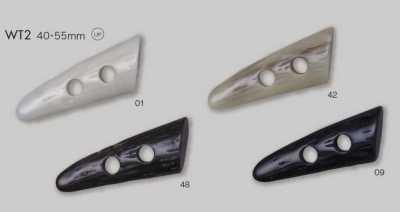
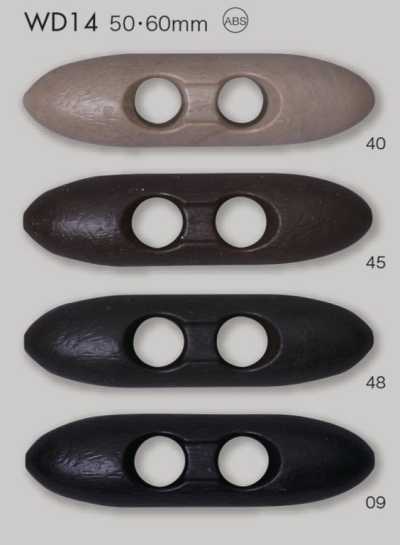
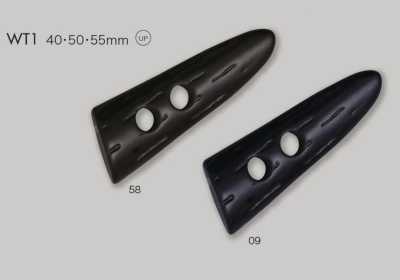
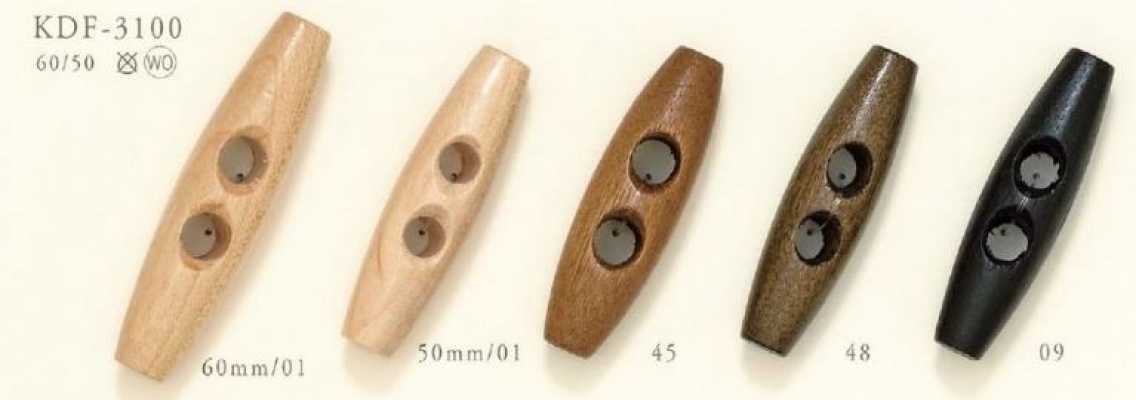
A toggle button is a button with a long, slender bar-shaped body that is fastened by passing it through a cord or loop, and it is a trim item used on duffle coats and similar garments.
Contents6 sections
Definition and Overview
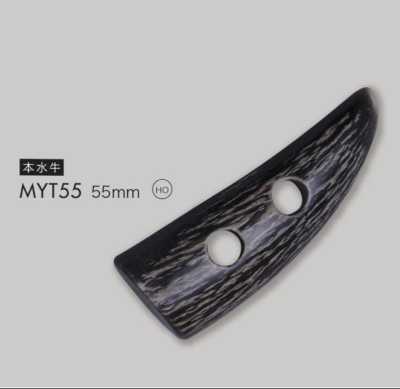
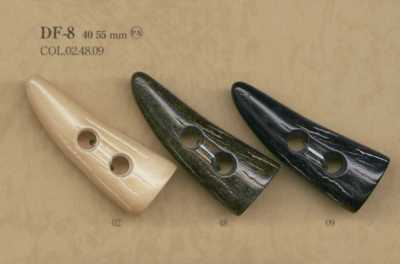
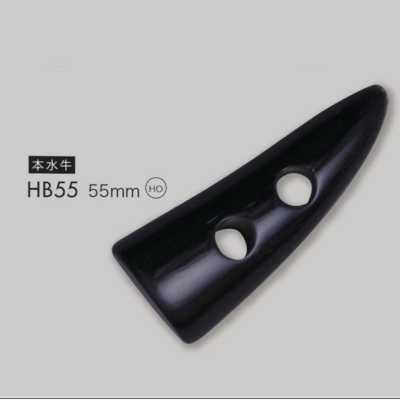
A toggle button is a button with a rod-like or horn-like elongated shape that fastens by passing through a loop made with a cord, tape, leather lace, or similar material on the other side. Unlike a standard button that goes through a buttonhole, it is used as a fastener that is easy to operate even on heavy garments.
Because it is often seen on duffle coats, it is also called a duffle button. However, toggle button is a name that indicates the shape and fastening method, and it is not an accessory exclusive to duffle coats. It is used in parts that combine design appeal and practicality, such as coats, blousons, and bags.
Materials and Structure
Materials include real buffalo horn, nut, wood, and resin, and each differs in surface feel, weight, water resistance, and susceptibility to cracking. Because real buffalo horn and nut are natural materials, there may be individual differences in color tone, pattern, and shape. Resin products make it easier to choose shape and color options, but resistance to strong impact and heat varies by type.
Attachment structures include those with holes in the body for threading a cord through, those with a tunnel-shaped shank on the back, and those with a shank that is sewn on with thread. The number and position of holes, and whether a shank is present, differ by product, so in addition to the front design, confirm compatibility with the thickness of the cord or loop to be attached.
- Holed type: Secure by passing cord or string through the holes in the body.
- Tunnel shank type: Sew on by passing thread through the shank on the back.
- Shanked type: Creates space between the button and the textile, making it easier to accommodate a thicker loop.
How Sizes Are Expressed
Toggle button sizes are difficult to judge by diameter alone, as with standard round buttons, so check the overall length, maximum width, thickness, and hole diameter or the inside dimension of the shank. Whether it will pass through the loop is determined by the combination of the toggle body’s maximum width and the loop’s inner dimension, so confirmation using the actual product or specification measurements is important.
Button sizes are expressed in lignes and in mm, but toggle buttons are often specified by overall length in mm. Lignes is a unit used for button dimensions and is convenient for comparing the diameters of round buttons, but for elongated toggles, length, width, and thickness are listed together when selecting the product.
Main Applications and Attachment Method
Main applications include front openings for duffle coats, coats, capes, and blousons. Because they are easy to handle even with thick materials or while wearing gloves, they may also be used on kids’ clothing, outdoor-style garments, and bag closures. Depending on the application, consider the toggle length, loop material, and the force applied during opening and closing.
When sewing them on, align the positions of the left and right toggles and loops, and check that the front edges do not twist when pulled. For shanked and tunnel shank types, reinforcing the thread shank with a base wrap helps accommodate the thickness of the textile. For the holed type, choose a knotting or securing method that prevents the cord from slipping out or rubbing.
Handling and Selection Notes
Resistance to washing, dry cleaning, and ironing should be checked not only for the toggle itself but also in combination with the loop, sewing thread, and textile. Natural materials may be affected by moisture and drying, and wooden or horn products may crack or chip under strong impact. It is necessary to match the care label with the accessory’s handling conditions.
Do not apply the iron directly and strongly to the toggle; avoid the surrounding area when pressing. For dark-colored products or specifications that come into contact with metal fittings, also check for color transfer or discoloration caused by friction. In addition, if the loop is too large it may come off easily, and if it is too small it becomes difficult to open and close, so perform practical testing, including textile thickness, before mass production.
Frequently Asked Questions
What is the difference between a toggle button and a standard buttonhole button?
Standard buttons are fastened by passing the body through a buttonhole, whereas toggle buttons are fastened by passing the rod-like body through a loop made of cord, tape, leather lace, or similar material. They are easy to handle on thick garments and also stand out as a design element on the front placket.
What dimensions should be checked for a toggle button size?
Check the overall length, maximum width, thickness, and hole diameter or the inside dimension of the shank. The most important factor is the relationship between the toggle’s maximum width and the loop’s inner dimension. Since the thickness of the textile and the stretch of the loop material also affect ease of opening and closing, confirm operability with prototypes as well as specification dimensions.
Can toggle buttons be washed at home?
Whether they can be washed depends on the material and sewing specifications. Even resin products may be damaged by high temperatures or impact, and natural materials such as wood, real buffalo horn, and nut require caution regarding changes and cracking caused by moisture and drying. Check the product care label and the accessory’s handling conditions, and do not apply an iron directly.
- Browse Toggle Button products
- Products with material "Real Buffalo Horn"
- Products with material "Nut"
- Products with material "Wood"
- Products with material "Polyester Resin"
- Products for style "For Outerwear/blousons/coats"
- Products for style "For Kids"
- Products for style "For Bags"
- Browse Button products