Sewing Machine Thread
Sewing thread is a thread for sewing designed according to the application in terms of material, thickness, twist, and elongation, and used as the needle thread and bobbin thread in a sewing machine to stitch textiles together.
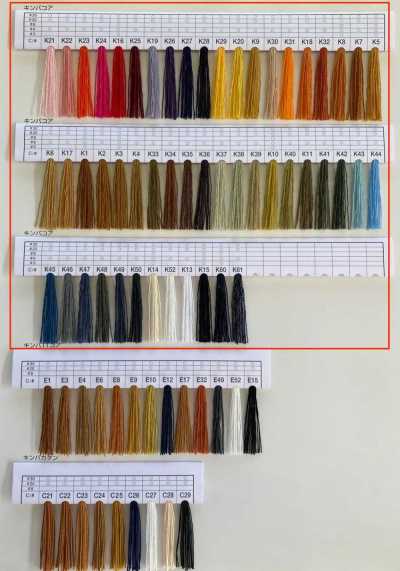
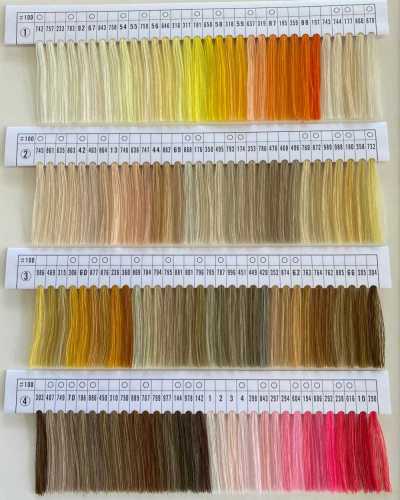
![シャッペスパン [Single] Shappespan Sewing Machine Thread, Small Spool, Polyester](/img/item/thumb/YX/シャッペスパン_t2.jpg)
Contents6 sections
Definition and Overview
Sewing thread is thread used for sewing garments and apparel accessories. In general, it is used for both the needle thread and the bobbin thread in lockstitch machines, and it affects seam strength, appearance, and sewing stability. Construction thread is a term that mainly refers to sewing thread used to join fabric within the seam allowance.
Even for the same sewing thread, suitability varies depending on the material and thickness of the fabric to be sewn, whether the seam will be visible, and the type of machine used. Thick topstitching thread that shows the seam as a decorative element, and thread for sergers, have different applications and required properties from general construction sewing thread.
Materials, Twist, and Structure
Materials include polyester, cotton, nylon, and silk. Polyester is widely used because of its balance of strength, abrasion resistance, and ease of handling. Cotton thread blends well with cotton materials, and silk thread is chosen when gloss and texture are to be emphasized. The material is also selected with consideration for the fabric's appearance, dyeability, and resistance to washing and friction.
Thread is made as spun yarn, which is produced by twisting together short fibers, or as filament yarn made from continuous long fibers. There are also core-spun threads, in which filament is placed at the core and covered with short fibers around it. Twist is the process of binding fibers together to give strength and shape stability, and the direction of the twist may affect machine rotation and seam condition.
- Check the gloss, fuzz, and texture to match the surface feel of the fabric.
- For stretch materials, combine thread and stitching methods that can secure the stretch needed in the seam.
- When performing product washing, dyeing, or heat treatment, also check any color difference and shrinkage after processing.
How Thickness Is Indicated
The thickness of sewing thread is shown by count or nominal count. Count is a unit that expresses thread thickness, but its meaning differs depending on the notation method, so the numbers alone cannot be simply compared with thread of another system. For sewing thread, the nominal count set by each maker or standard is also used in practice as a selection code.
In general, within the same notation system, a larger count number indicates a finer thread. However, the apparent thickness and strength vary depending on the number of plies, material, and processing. In specifications, including the count or nominal count, specifying the material, color, usage location, and, if necessary, the machine needle and stitching method helps prevent misunderstandings.
Main Applications
For construction stitching, it is used for joining the body, sleeves, collars, seam allowance finishing, and attaching facings and trims. Fine fabric often uses a thinner thread that does not compromise delicacy; medium-weight fabric often uses a thread that balances seam strength and workability; and heavyweight fabric often uses a thread that more easily secures the required strength.
For topstitching visible from the front, thread thicker than construction thread or thread with a decorative character may be used. On the other hand, overlocking uses serger thread that forms a seam with multiple strands, and embroidery uses embroidery thread that emphasizes color development and gloss. These are threads for specific applications and are selected separately from construction thread.
Selection and Sewing Notes
As a basic rule, choose a thread color close to the fabric, but check not only the outer fabric but also the lining, interfacing, and overlap in seam allowances. On dark or highly saturated fabrics, even a slight color difference may stand out. Before mass production, perform trial sewing with the actual fabric, needle, machine, and sewing conditions, and confirm the seam appearance and strength.
If the thread tension is not correct, seam puckering, thread tightening, loops, and thread breakage may occur. Rather than trying to solve it with thread alone, adjust the needle thickness and tip shape, upper and lower thread tension, feed amount, sewing speed, and seam type together. Trial sewing is especially important for knits, thin fabrics, and coated fabrics.
- If the thread is too thick for the fabric, it may lead to puckering or more noticeable seams.
- If the thread is too thin, it may be difficult to obtain the strength and durability required for the seam.
- For specifications where the seam needs to stretch, check not only the thread's stretch but also the seam structure.
- If there is needle damage, skipped stitches, or thread breakage, inspect the needle-thread combination, needle damage, and machine settings.
Frequently Asked Questions
Does sewing thread need to be the same material as the fabric?
It does not necessarily need to be the same material. Selection is based on the fabric's appearance, required seam strength, stretch, and post-processing such as washing and dyeing. For example, even with cotton fabric, polyester thread may be used to improve sewing stability. For areas visible from the front, also check color, gloss, and how well it blends with the fabric through trial sewing.
Is sewing thread with a larger count number thicker?
If the count uses the same notation system, a larger number generally means the thread is finer. However, sewing thread includes multiple notations, including nominal count, and the material and structure of the thread also differ. Do not compare thickness or strength with thread in another system based on the count number alone; it is important to confirm through specifications, sample card, and trial sewing.
How are construction thread and topstitching thread different?
Construction thread is thread mainly used for seams that join fabric. Topstitching thread is intended to emphasize or decorate seams that are visible on the surface, and thicker thread or thread with decorative qualities is used. If topstitching thread is used for construction stitching, needle holes, puckering, or stiffness may stand out depending on the fabric, so they are used differently according to the application.