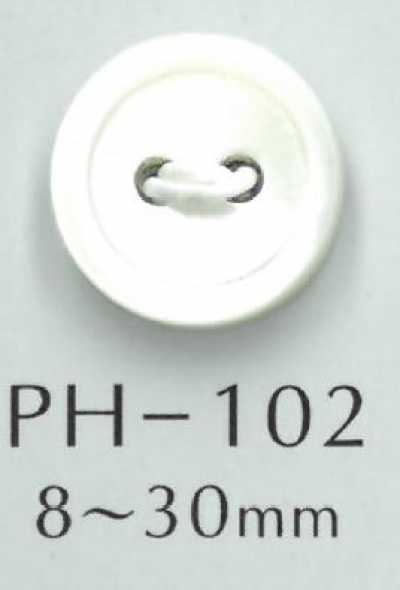
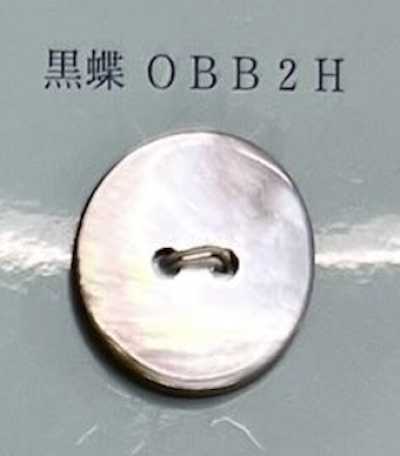
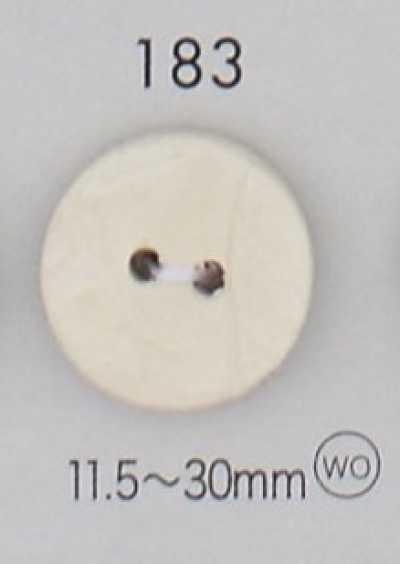
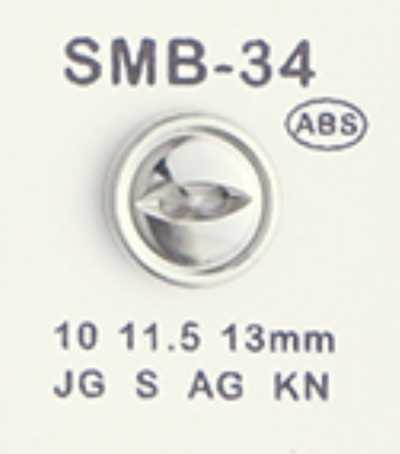
Two-hole Button
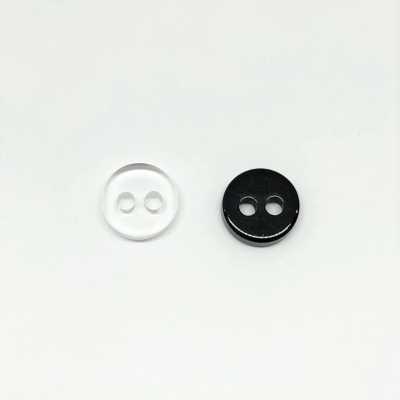
A two-hole button is a flat, footless button sewn on by passing sewing thread through two holes on the surface.
Contents7 sections
Definition and Overview
A two-hole button is a button that is sewn directly onto a garment using the two holes provided in the button body. Because the thread is visible on the surface, thread color and the appearance of the stitching are also part of the design. It is used according to the specification, from lightweight to relatively thick garments.
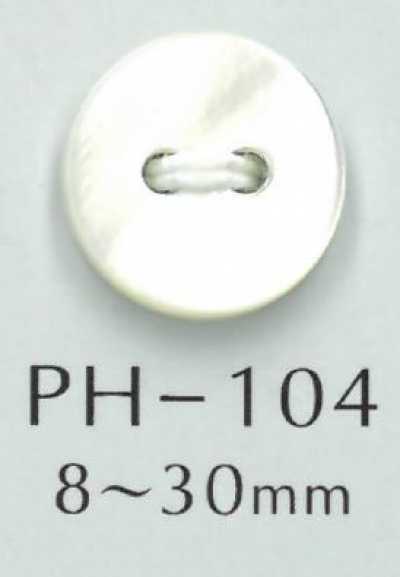
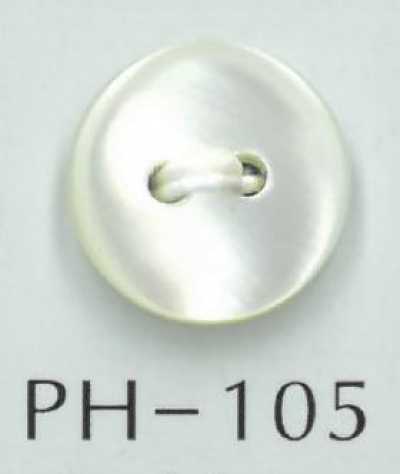
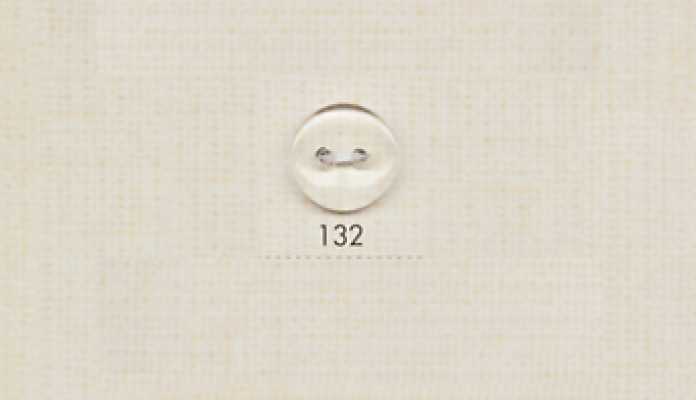
The fact that it has two holes is a classification by attachment method, not a name indicating the material. It may be made of resin, shell, natural materials, metal, or other materials, and even with the same two-hole design, the impression and ease of handling change depending on thickness, edge shape, and hole size.
Materials and Structure
A two-hole button is generally nearly flat on both sides and has no shank on the back for sewing attachment. Some have a recessed area around the holes to hold the thread, which helps reduce wear on the sewing thread and keeps the surface looking neat.
The heat resistance, chemical resistance, impact resistance, and susceptibility to changes from dyeing or plating vary by material. Based on the garment washing method, pressing process, and the usage environment of the accessory, it is important to check not only the textile but also the handling instructions and test conditions for the button itself.
- Shell and natural materials may show natural color variation, patterns, and differences in thickness.
- Resin buttons offer many color and shape options, but their suitability for strong heat and chemicals varies by type.
- For metal buttons, check changes in the surface finish, scratches, and the presence or absence of corrosion according to the usage conditions.
Size Notation
Button size is shown in mm by diameter, and also in ligne. Ligne is a traditional size unit for buttons, and in purchase orders and specifications, standardizing whether to use ligne notation or mm notation helps prevent misunderstandings.
For two-hole buttons, not only the diameter but also the thickness, hole diameter, and the spacing between the holes affect sewability. Carry out an actual sample check including the thickness of the textile, the size of the buttonhole, and the thickness and number of threads used, and confirm ease of fastening and strength.
Main Applications
Two-hole buttons are used for shirts, blouses, cut-and-sew items, cardigans, dresses, skirts, and pants. Because they are flat and not bulky, they are suitable for areas that should lie relatively flat, such as front openings, cuffs, and pocket openings.
However, when working with thick textiles or heavy garments and sufficient spacing is needed, a thread shank may be made with thread wrapping, or a shank button may be selected. Since the application is not determined only by the number of holes, selection is based on the thickness of the buttonhole overlap area.
Attaching and Handling Notes
When sewing it on, the thread is passed back and forth through the two holes to secure it. If some allowance is needed between the outer fabric and the button, thread wrapping is used to create a thread shank at the base. In areas where force concentrates, a reinforcement button can be placed on the back side to reduce fabric tearing and button loss.
Resistance during washing, dry cleaning, and ironing differs depending on the button material and finish. Directly applying a hot iron, strong friction, or collisions with other items inside the washing machine may cause cracking, chipping, scratches, or discoloration, so handle it according to the product specifications.
- Before mass production, confirm sewing strength and ease of passing through the buttonhole with a prototype.
- If the button is hard and thick, pay attention to the load on the sewing needle and thread, as well as chipping at the edge of the hole.
- When garment washing is performed, check in advance for scratches, cracks, color transfer, and surface changes on the button.
Differences from Similar Terms
A four-hole button has four sewing holes and differs from a two-hole button in that the thread can be passed in a cross or parallel pattern. In general, four-hole buttons can increase the number of fastening points during sewing, but the suitable shape is determined by the design, textile, and required strength.
A shank button has a structure in which the thread is passed through a shank on the back, making it easier to create space between the button body and the fabric. Two-hole buttons have holes visible on the surface, so whether to use the thread as an accent or make it less noticeable by matching the button color is also a design choice.
FAQ
How should two-hole buttons and four-hole buttons be used differently?
Two-hole buttons are used where the appearance of the thread should be simple and for lightweight garments or areas that should lie flat. Four-hole buttons allow the thread to be passed in multiple directions, giving more variation in the look of the stitching. Choose according to textile thickness, buttonhole, required holding power, and design.
Is thread wrapping necessary for two-hole buttons?
Thread wrapping is used when the overlap of the textile is thick or when space is needed between the button and the fabric. On the other hand, it may be omitted when using thin fabric and the button should lie close to the fabric. Decide after checking whether there is no pulling when it is passed through the buttonhole and whether it is easy to open and close.
Can two-hole buttons be damaged by ironing?
The possibility of deformation, changes in gloss, cracking, or discoloration caused by direct high heat from an iron varies depending on the button material and surface finish. When ironing, avoid the button or use a pressing cloth, and choose a method appropriate to the product specifications. A heat test on the same material beforehand is safer.