Shell Button
A shell button is a button made by processing shell, and it is a garment accessory that makes use of the natural luster and color variation from nacre and other materials, and is mainly used for shirts, blouses, and jackets.
Contents6 sections
Definition and Overview
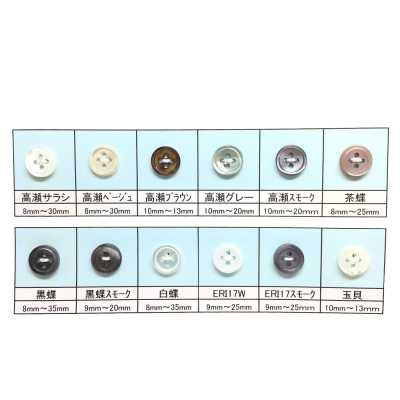
Shell buttons are buttons made by cutting, polishing, and drilling shell material. Because they are derived from natural material, they have unique differences in luster, transparency, color variation, and pattern, giving them a character unlike uniform industrial products. Genuine shell button and natural shell button are also common terms for buttons made from shell material.
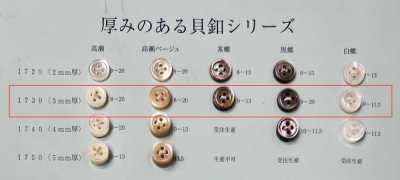
The color, luster, thickness, and hardness tend to differ depending on the type of shell. Examples include trochus shell, white mother of pearl shell, and black mother of pearl shell, and even within the same type, appearance changes depending on the harvesting area and processing. When planning, confirm on the assumption that the color tone and pattern of the sample and mass-produced product will not match exactly.
Material and Structure
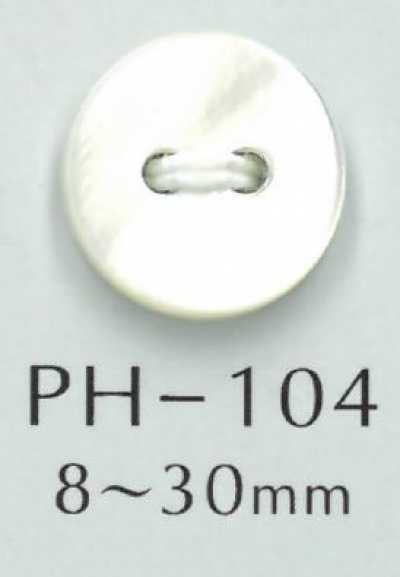
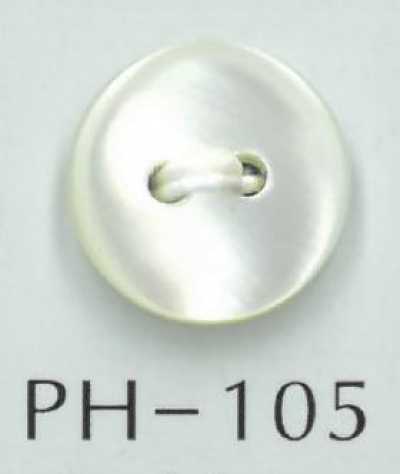
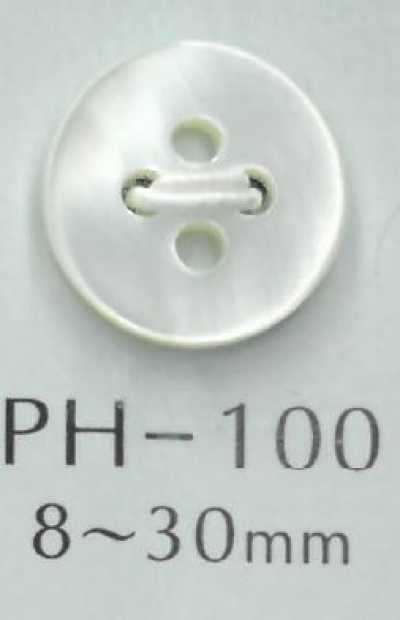
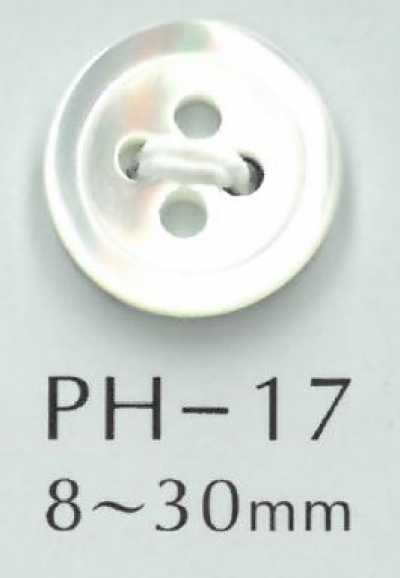
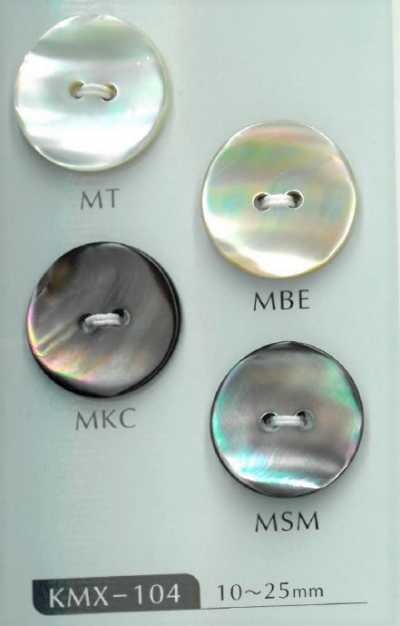
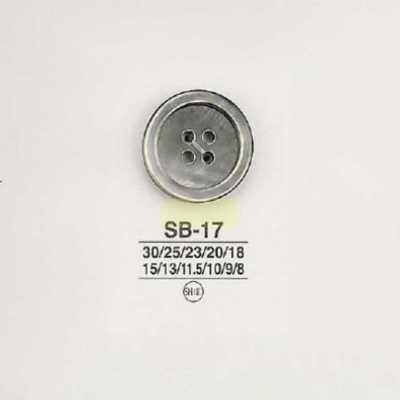
Common shell buttons are often made in two-hole or four-hole styles that pass through the front and back. Two-hole buttons have a clean look, while four-hole buttons are a shape that makes it easier to ensure stability when sewn on. The cat's-eye shape, with a recess around the hole, is designed so the thread is less likely to sit above the surface.
Shell buttons also include shank styles with a foot on the back. Shank buttons can easily create a small space between the button and the garment body, and are used for thick textiles and buttonholes. However, since shell is hard and weak against impact, specifications that place excessive force on thin edges or around the holes should be avoided.
- Two-hole / four-hole: a flat style sewn on by passing thread through the holes.
- Cat's-eye button: a style with a groove between the holes that helps the thread sit neatly.
- Shank button: a style attached by passing thread through the shank on the back.
How Size Is Expressed
Button size is indicated by diameter in mm and also in lignes. Lignes are a traditional size unit used for buttons, and specifications, sample cards, and purchase orders may list them together with mm. When ordering, confirm not only the nominal size, but also the tolerance for actual dimensions and the thickness.
Even with the same diameter, the feel and appearance change depending on thickness, edge rounding, hole size, and shank height. The length of the buttonhole should be set with the button's maximum diameter and thickness in mind, and it is important to perform opening and closing tests with the actual textile, interfacing, and sewing conditions before mass production.
Main Applications and Selection
Shell buttons are used for shirts, blouses, cardigans, dresses, jackets, and more. Smaller ones are used for plackets and cuffs, while larger ones are used for the front opening of jackets. Choose the shell type, finish, and shape according to the textile's sheen, color, thickness, and washing method.
Light-colored shell buttons blend easily with shirts and blouses, while those with dark tones or iridescent luster can also serve as a design accent. Because they are natural materials, it is important to define in the specifications how closely the left and right front panels and the buttons within one garment should match in appearance, and to share the sorting criteria with the production source.
Attachment and Handling Precautions
Holed shell buttons are sewn on with button sewing thread, and if necessary, the shank is wrapped. Shank wrapping is a method of reinforcing the thread shank formed between the button and the textile by winding thread around it. When the textile is thick or the buttonhole becomes thick, providing an appropriate thread shank can reduce the load during opening and closing.
Whether washing, dry cleaning, and ironing are allowed depends not on the button alone, but on the care label for the entire product and the resistance of the accessory. Shell buttons may crack or chip due to strong impact, pressure, or sudden temperature changes. Do not apply an iron directly; confirm in advance the pressure during pressing and whether a pressing cloth should be used.
Bleach, chemicals, sweat, cosmetics, and other factors may change the surface luster and color tone. For products that are washed, dyed, or processed, perform tests assuming the chemicals and processes to be used, and check for cracks, chips, discoloration, and looseness at the sewn area.
Frequently Asked Questions
What is the difference between shell buttons and trochus shell, white mother of pearl shell, and black mother of pearl shell?
Shell buttons is the general name for buttons made from shell material. Trochus shell, white mother of pearl shell, and black mother of pearl shell indicate the types of shell used as the material. Because the tendencies for whiteness, iridescent luster, dark tones, and thickness differ by type, choose according to the desired appearance and application.
Can shell buttons be machine-washed at home?
Whether washing is allowed depends on the product's care label. Shell buttons are hard, but they may chip from impact during washing or contact with other accessories. Use a laundry net and avoid strong spinning or tumble drying, handling them according to the product care instructions and the accessory's resistance.
Should shell button sizes be specified in mm or lignes?
In specifications and purchase orders, listing both mm and lignes is effective to prevent misunderstandings. However, in actual selection, confirm not only the diameter but also the thickness, hole diameter, and shank height. In particular, suitability with the buttonhole should be judged by testing opening and closing with the actual item.