Button Sewing Thread
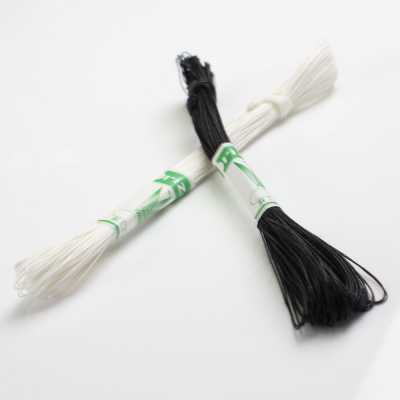
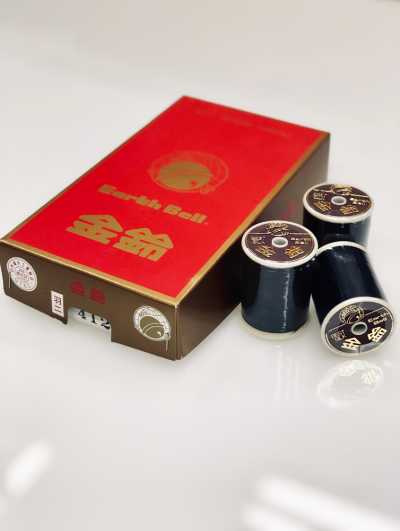
Button-sewing thread is a hand-sewing thread used to attach buttons to textile, made thicker and stronger than ordinary sewing thread.
Contents6 sections
Definition and Overview
Button sewing thread is used when attaching two-hole, four-hole, and shank buttons to garments. Because it is used in areas that are repeatedly subjected to force during putting on and taking off, it is often made thicker and more abrasion-resistant than ordinary hand-sewing thread.
It is handled as a thread dedicated to button sewing, and thick hand-sewing thread may also be used for button sewing. Because the thickness, material, and finish vary by product, it is important not to judge performance uniformly by name alone.
Materials, Twist, and Structure
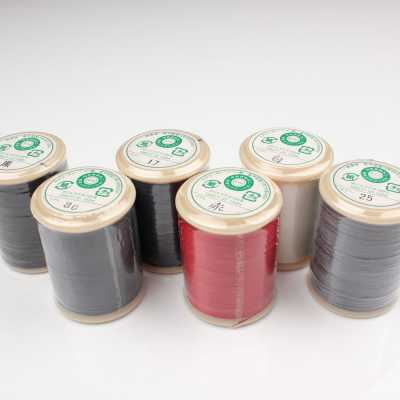
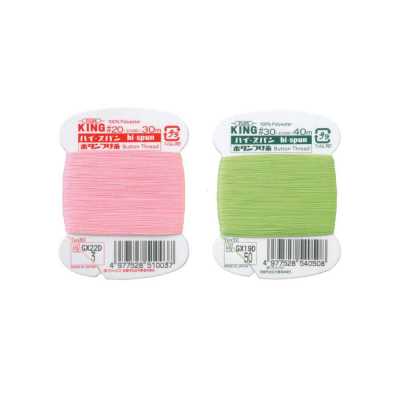
Materials include cotton, polyester, and silk. Cotton blends well with a natural look and feel, polyester may be selected for clothing that must withstand friction and washing, and silk is used for applications that make use of its luster and suppleness.
A structure made by twisting multiple threads together, or using a relatively strong twist, helps reduce thread breakage and fuzzing and makes it easier to hold the button securely. However, thread with a strong, stiff twist may cause puckering in lightweight textiles.
How Thickness Is Indicated
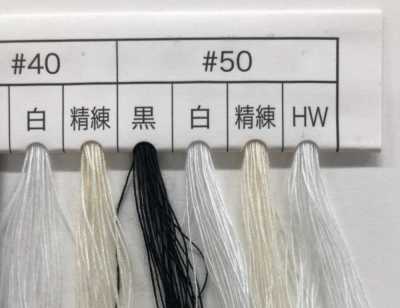
Thread thickness is indicated by count or nominal count. Count is a unit that expresses thread thickness, and the way the number is read depends on the notation system used. Nominal count may be shown as a practical thickness classification set by the manufacturer or by application.
The number alone does not allow a simple comparison of threads with different materials, numbers of plies, or notation systems. Specifications should list the material, count or nominal count, number of plies, and color, and before mass production the thickness and finished stitch should be checked with the actual product.
Main Applications and Differences from Similar Terms
The main application is button sewing for shirts, blouses, jackets, coats, pants, and similar items. The button hole count and diameter, button thickness, textile thickness, and frequency of use are used to determine the thread thickness, number of plies, and whether a shank is formed.
Buttonhole twist often refers to a thicker hand-sewing thread used for buttonhole edging and decorative stitching, and it has applications and properties similar to button sewing thread. However, the names and usage may differ depending on the supplier or workplace, so the application and specifications should be checked.
Sewing thread is thread primarily intended for machine sewing, and when fastening buttons by hand with strong tension, it is common to choose a dedicated hand-sewing thread or one with a thickness suitable for the application.
Selection and Sewing Notes
When matching it to the color of the textile and button, check how it appears against the textile color or button color. Even when using color contrast as an accent, consider the position where the stitches will show on the outside, color difference after washing, and harmony with surrounding stitching.
For thick textiles or heavy buttons, choose thread with sufficient strength. On the other hand, using thread that is too thick for lightweight or delicate textiles can make needle holes noticeable and cause wrinkling or puckering. Use a needle that suits the textile and, if necessary, distribute the load with a supporting button.
The shank formed by leaving appropriate space between the button and the textile makes it easier to fasten the button, especially on thicker areas such as the button placket. The length and number of wraps should be adjusted according to the textile thickness, buttonhole thickness, and button shape.
Frequently Asked Questions
Are button sewing thread and buttonhole twist the same?
They are sometimes used for similar purposes, and in sales and sewing settings the names may overlap. However, buttonhole twist may refer to thread intended for buttonhole edging and decorative stitching as well. Do not decide by name alone; check the material, thickness, and recommended application before choosing.
How many strands of button sewing thread should be used?
The required number of strands depends on the thickness of the thread, the size and weight of the button, the thickness of the textile, and the desired strength. Thick dedicated thread may be used as a single strand, but thinner thread may also be used with multiple strands. Determine it after testing the sewing strength and appearance before mass production.