Trochus Shell
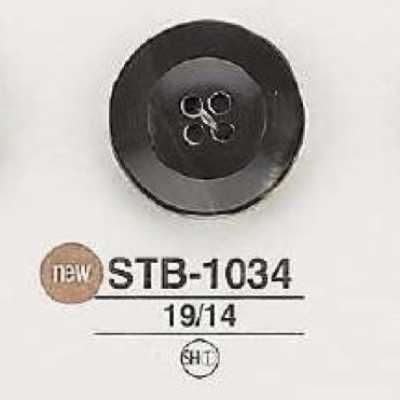
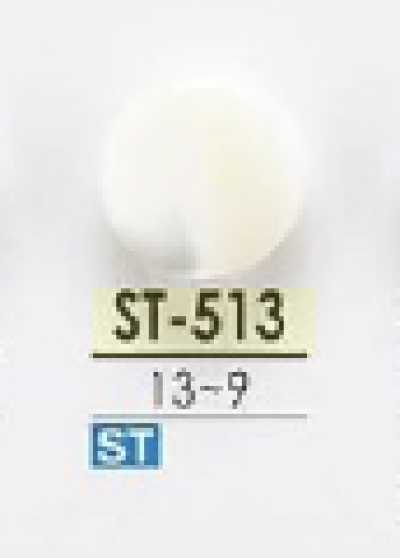
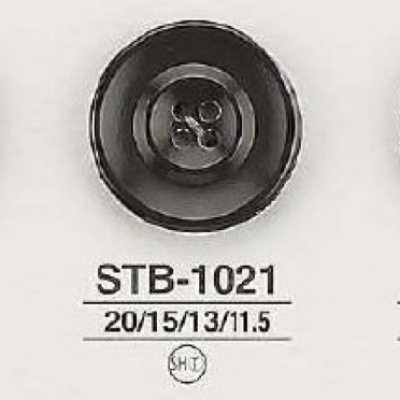
Trochus shell is a material for shell buttons made by processing the shells of sea snails that inhabit coral reef areas, with thickness and a natural luster and color variation.
Contents6 sections
Definition and Overview
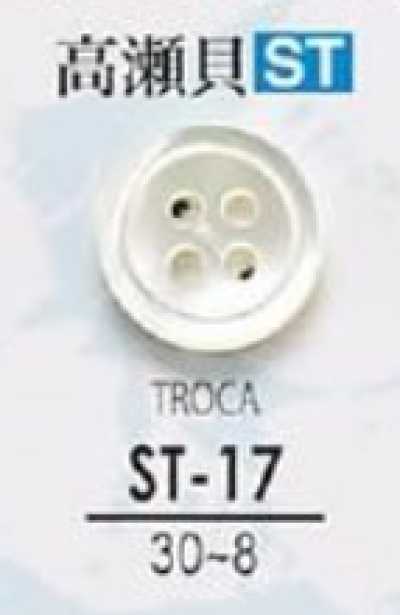
Trochus shell is a natural material made from the shell of a sea snail, also called trochus shell. The shell layers are cut out and polished, then processed into buttons. Based mainly on white to off-white tones, subtle color variations and differences in sheen may appear depending on the section.
Even among shell buttons, the appearance of the nacre layer, thickness, and hardness differ depending on the shell species and the part collected. Trochus shell is easy to obtain in thick shell, and is used from shirts to more substantial garment buttons.
Material and Structure
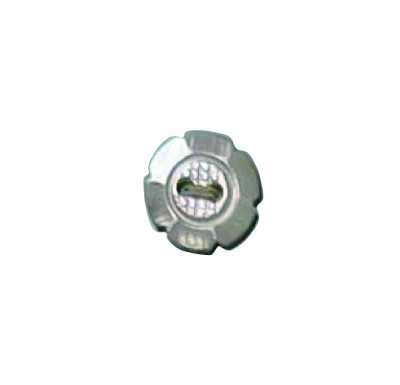
Trochus shell buttons typically have flat two-hole or four-hole shapes. There are also cat-eye shapes with recessed holes and shank styles with a back loop for threading, and these are selected according to the product design and sewing specifications.
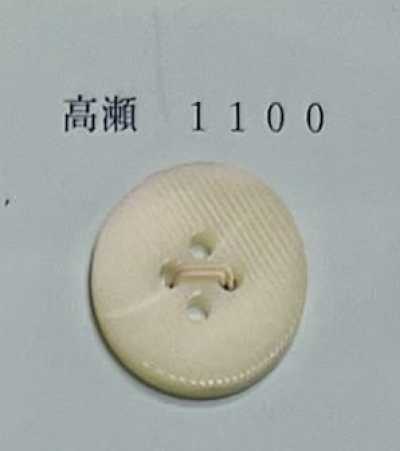
Because natural shells are processed, there are individual differences in color, speckling, sheen, and thickness. Since it is difficult for all items to have a uniform appearance like resin buttons, it is important to check the color tone and look with an actual sample during planning.
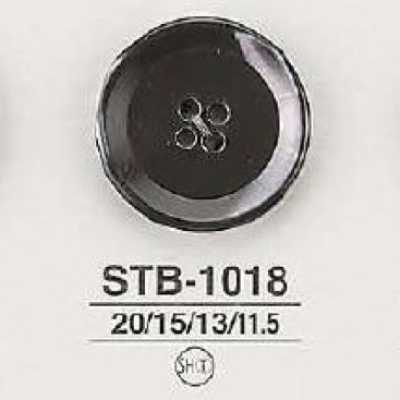
- Two-hole / four-hole: A standard style sewn on by threading yarn through the holes on the surface.
- Cat-eye button: A style in which the hole area is recessed into a groove, making the yarn less visible on the surface.
- Shank button: A style that threads yarn through a back shank, making the sewing thread less visible on the surface.
Size Notation and Main Applications
Button size is shown by diameter in mm, and also in lignes. Ligne is a unit for buttons, and 1 ligne is approx. 0.635 mm. In orders and specifications, listing both the ligne size and the diameter in mm helps prevent misunderstandings.
Trochus shell buttons are used for shirts, blouses, cardigans, dresses, and more. Sizes range from small front placket buttons to accent buttons for cuffs and pocket openings, and selection should take textile thickness, buttonhole length, and frequency of opening and closing into account.
Attachment and Handling Precautions
Perforated buttons are sewn on with a small thread shank left between the button and the textile, and a thread shank is wrapped if needed. When the textile is thick or the button is under stress during opening and closing, preventing the button from being pressed tightly against the textile helps avoid breakage.
Although shell is hard, it can chip or break under strong impact or localized pressure. For washing and dry cleaning, check both the garment care label and the resistance of the attached buttons. During finishing, do not apply a hot iron directly; use a pressing cloth or avoid the button when pressing.
Bleach, strong alkaline detergents, and chemicals may affect the sheen and color tone of the surface. Prolonged wet conditions, friction, and collisions with other hard accessories can also change the appearance, so it is advisable to perform washing and dry-cleaning tests on the product before mass production.
Differences from Similar Terms
Shell button is the general term for buttons made from shells, and trochus shell is one of the shell species used as the material. White mother of pearl shell and black mother of pearl shell refer to materials derived from pearl oysters, and differ from trochus shell in the shell species used as raw material, color tone, appearance of the nacre layer, and how thickness is formed.
Real buffalo horn buttons are made by processing buffalo horn, and differ from shell in sheen, pattern, moisture absorption, and behavior under impact. Do not choose by material name alone; specify color, thickness, hole shape, and washing conditions in the specification sheet.
Frequently Asked Questions
What is the difference between trochus shell buttons and white mother of pearl shell buttons?
Both are buttons made from shell, but the shell species used as raw material differs. Trochus shell is processed from the shell of a sea snail, while white mother of pearl shell is processed from the shell of a pearl oyster. Because sheen, color tone, layer appearance, and thickness differ, even among white-toned buttons they should be compared as actual samples.
Can trochus shell buttons be machine washed at home?
It depends on the garment care label and the button specifications. Because shell can be affected by impact and chemicals, turn the garment inside out and place it in a laundry net when washing to reduce contact with other garments and metal accessories. Avoid strong bleach treatment, and perform prior testing on mass-produced items.
How do you convert button lignes to mm?
Convert using 1 ligne = approx. 0.635 mm. For example, 15 lignes is approx. 9.5 mm. However, buttons have manufacturing tolerances, and the apparent size also changes with hole position and edge shape. It is important to use measured values when designing buttonholes.