Black Mother Of Pearl
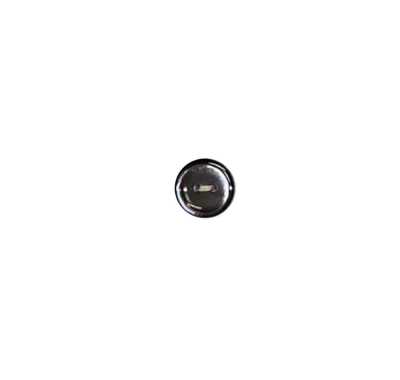
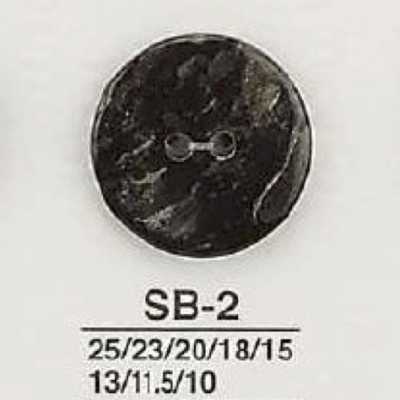
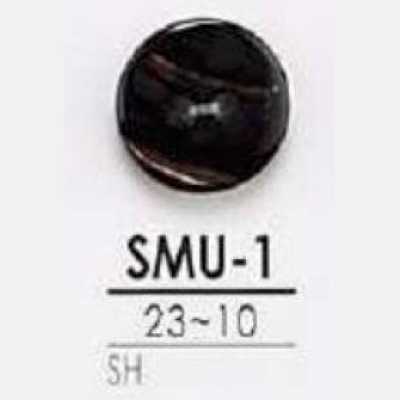
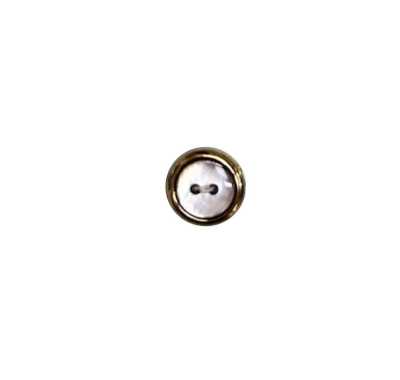
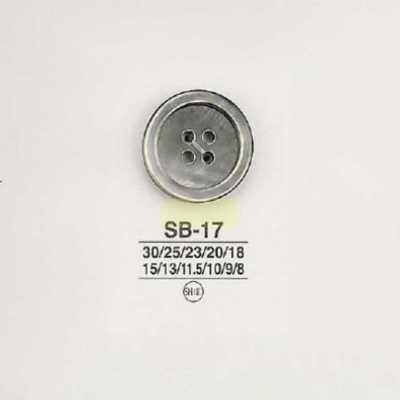
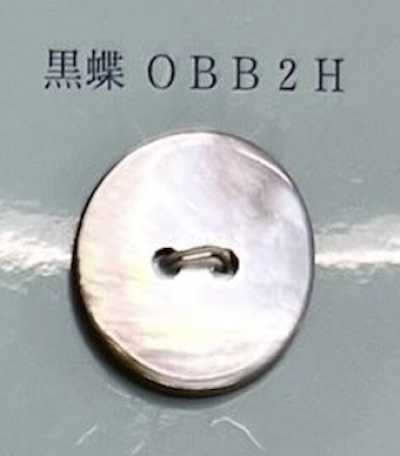
Black mother of pearl is a shell button material made from the nacre in the shell of the black mother of pearl oyster, and is characterized by deep luster in black, gray, green, and other tones, with each piece differing in color.
Contents6 sections
Definition and Overview
Black mother of pearl shell is a natural shell material made by processing the nacre harvested from the shell of black mother of pearl shell. Its surface shows an iridescent sheen caused by light interference, and rather than being a single black color, it has a deep appearance with gray, green, blue, brown, and other tones.
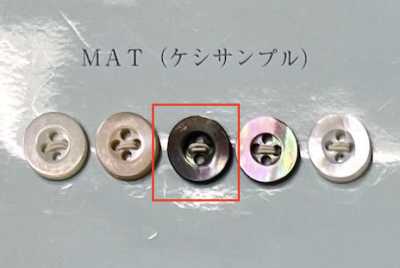
For buttons, it is generally handled as “black mother of pearl shell button.” Because it is a natural material, even within the same product number there are individual differences in color, pattern, thickness, and the way the luster appears, and that unevenness is also a design feature.
Material and Structure
Black mother of pearl shell buttons are made by punching out the shell and polishing it. Many use the luster of the nacre on the front side, while the back side may have a relatively matte finish. Depending on the thickness, the roundness of the edge, and the degree of surface polishing, the impression can range from delicate to substantial.
Hole types include two-hole, four-hole, and cat-eye, and they are selected according to the application and how they will be attached. Hole-through types are easy to use for shirts and similar items, while shank types can be attached without showing stitches on the surface and give a slightly raised appearance. Although shell material is hard, care is needed to avoid impact.
- Two-hole / four-hole: basic shapes sewn directly on with thread.
- Cat-eye: a shape in which the thread is passed through the central groove, making it less likely for the thread to show on the surface.
- Shank: a shape threaded through a shank on the back, making it easier to keep the button surface visible.
How Size Is Expressed
Button size is indicated by diameter in mm, and also in lignes. Lignes are a size unit used for buttons, and 1 ligne is approx. 0.635 mm. In ordering and specifications, it is easier to check if the use of ligne notation and mm notation is standardized.
When selecting a size, check the buttonhole length, the thickness of the front placket or facing, and the button thickness together. Even with the same diameter, ease of attachment differs depending on thickness and edge shape, so before mass production it is important to confirm compatibility with the buttonhole using the actual item.
Main Applications
Taking advantage of the deep luster, it is used for shirt and blouse fronts, cuffs, jackets, cardigans, dresses, and more. It can be used both as an accessory that blends in with the textile and as an accent for light-colored textiles, adding a natural-material expression.
For lightweight garments, a smaller, thinner hole-through type may be chosen, while jackets and similar items may use a type with more thickness and presence. However, the appropriate size and specification should be determined based on the thickness of the textile, the washing conditions of the item, and the design intent.
Attachment and Handling Precautions
Hole-through buttons are fixed to the textile with button-sewing thread, and root wrapping is performed as needed. Root wrapping is a method of creating a thread leg between the button and the textile, making it easier to fasten and unfasten in thick areas such as the front placket. For shank buttons, sew them so that the thread does not concentrate too much at the base of the shank.
Shell may crack or chip due to strong impact or localized pressure. Suitability for washing or dry cleaning varies depending on the button processing and the overall garment specification, so confirm it through prior testing. Do not apply an iron directly to the button; it is safer to avoid the button or use a pressing cloth.
Long-term exposure to high heat, humidity, or contact with chemicals may change the surface luster or how the color appears. In particular, for products that undergo garment washing, bleaching, strong washing, or post-processing, decide the specification only after confirming the appearance and strength in the finished state including the buttons.
Frequently Asked Questions
What is the difference between black mother of pearl shell and white mother of pearl shell?
Both are shell button materials that use nacre, but black mother of pearl shell is generally characterized by deep tones including black, gray, green, and blue. White mother of pearl shell is centered on white to pale iridescent luster. Since both are natural materials, confirm the color and luster with individual differences in mind.
Can black mother of pearl shell buttons be washed at home?
Whether washing is possible is determined not only by the shell itself, but also by the surface finish, the stitching method, and the garment’s care label. Because shell can chip from impact, consider using a laundry net or washing inside out, and for mass-produced items it is necessary to test under actual washing conditions.
Can an iron be applied to black mother of pearl shell buttons?
As a rule, direct ironing on the button should be avoided. Localized heat and pressure may cause changes in luster, scratches, or cracking. When ironing, avoid the buttons or iron the garment from the reverse side, and use a pressing cloth if necessary.