Weft Yarn
Weft yarn is yarn that runs in the width direction of a woven fabric (the direction from selvage to selvage). Fabric is woven by passing it one by one between the warp yarns stretched on the loom to interlace them, and it is also used to create the appearance and stretch of the fabric by changing the yarn thickness and material.
Contents6 sections
Definition and Overview
Weft yarn is the yarn that runs in the width direction of a woven fabric. It is also written as "yoko-ito," "yokoiito," or "yokoito," and can also be read as "nukito." To weave fabric, the warp yarns stretched parallel to the loom are opened up and down, and the weft yarn is passed through one by one and beaten forward with the reed. This is also called "picking in" the weft yarn.
The direction from selvage to selvage is the direction of the weft yarn. In shuttle looms, one weft yarn travels back and forth left and right, so both ends of the fabric become selvages that are less likely to fray at the turnback. In innovative looms such as rapier looms and air-jet looms, the weft yarn is cut and inserted one by one, so the selvage is made differently.
How Weft Yarn Changes the Look of Fabric
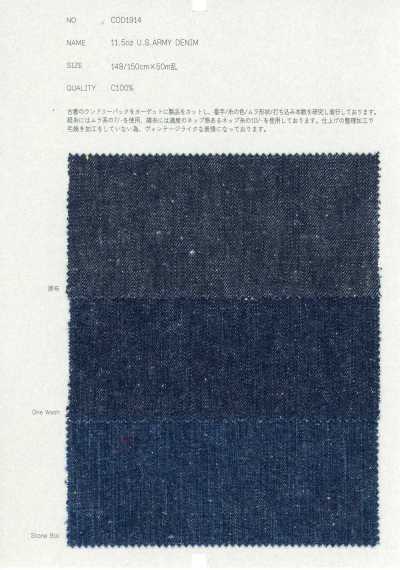
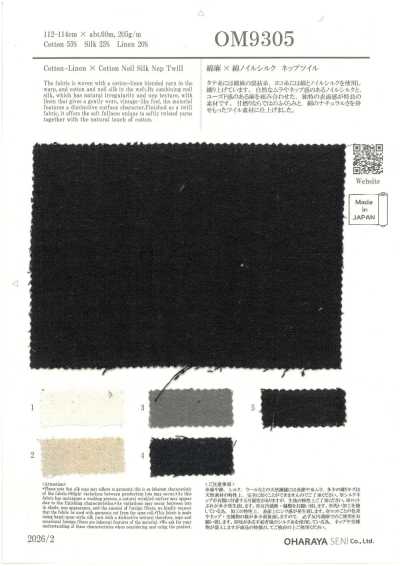
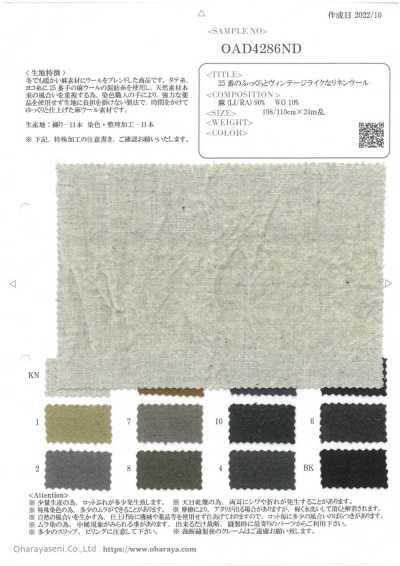
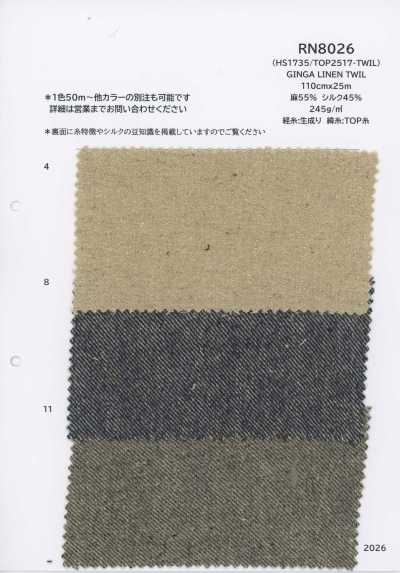
Because weft yarn is not subjected to as much tension as warp yarn, thicker yarns, loosely twisted yarns, and yarns with texture such as slub yarn or neps yarn are easier to use and can be used to create the look of the fabric. Making the weft yarn thicker creates horizontal ridges, and using linen or slub yarn for the weft gives a natural knotted look. In brushed fabrics, soft yarn that is easy to brush is often used for the weft yarn.
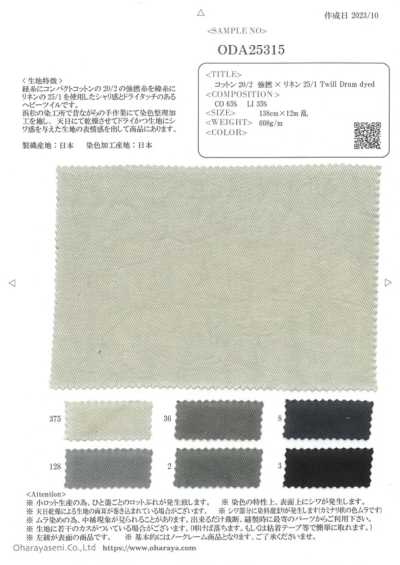
If a high-twist yarn is used for the weft yarn and shrunk, fine wrinkles like yoryu (wrinkle crepe) appear. Changing the colors of the warp and weft creates chambray, and it is also possible to weave fabrics with different colors and textures by changing only the color or material of the weft yarn while keeping the same warp yarn.
Effect on Stretch and Function
If a yarn with polyurethane as the core and cotton or similar material wrapped around it, or an elastic composite-fiber yarn, is used for the weft yarn, the fabric becomes a weft-stretch fabric that stretches in the width direction. If it is also used in the warp yarn, it becomes 2-way stretch that stretches both lengthwise and widthwise. The amount of stretch and the recovery change depending on the type of yarn, density, weave structure, and finishing.
Functions such as durability and quick-drying absorbency are sometimes provided by the material of the weft yarn. For example, abrasion-resistant nylon may be inserted as the weft to make the fabric stronger, or yarn that absorbs sweat and dries quickly may be used.
How to Read Specifications and Handling Notes
The density of the weft yarn is called weft density, and it is also called the pick count. In fabric specifications, the yarn count and density are written in the order of warp yarn and weft yarn, so in "40×40/133×72," the weft yarn is 40 count, and there are 72 yarns per 1 inch (2.54 cm). Increasing the weft density makes the fabric thicker, firmer, and less likely to show through.
The weft direction tends to stretch more easily than the warp direction, and shrinkage often differs from the warp direction as well. Before deciding the cutting allowance, check the shrinkage rate separately for the warp and weft directions. If fabric is cut while the weft yarn is not at a right angle to the selvage (skewed or off-grain), checks and stripes will appear crooked, so straighten the grain before cutting.
Fabrics with thick weft yarn or low weft density are prone to seam slippage, where the yarn slips and the seam opens at the edge when stress is applied to the seam. Leave a wider seam allowance and check seam strength with a test sew.
Differences from Similar Terms
Warp yarn is the yarn that is stretched in the length direction before weaving, while weft yarn is the yarn that is passed through afterward between them. Which direction the yarn runs in is determined by its role in weaving. A combined explanation of both directions is found under "warp and weft yarn."
Weft knitting is a knitting method in which loops are made while the yarn is fed in the width direction, and it does not cross the warp yarn like weft yarn in woven fabric. On the other hand, a structure in which straight yarn is inserted in the width direction into a warp-knitted fabric is called weft insertion, and it is used for tapes and interlinings that suppress stretch.
Frequently Asked Questions
Do weft yarn and crosswise yarn mean the same thing?
Yes, they mean the same thing. Weft yarn is the wording often used in specifications and in the industry, and it is also written as "yoko-ito," "yokoiito," or "yokoito." It is read as "yokoito," and can also be read as "nukito."
What is weft stretch?
It is fabric made by using elastic yarn for the weft yarn so that it stretches in the width direction of the fabric. It is often used for pants and jackets when you want easier movement sideways, such as around the body width or thighs. The direction of stretch changes depending on how the pattern is placed, so check it before cutting.
What changes when the pick count of the weft yarn increases?
The weft density increases, and the fabric becomes thicker, firmer, and less likely to show through. While the fabric becomes denser and less likely to let air through, it may also become stiffer or more likely to trap heat and moisture. The change depends on the yarn thickness and weave structure, so check the specifications and sample.