Chambray
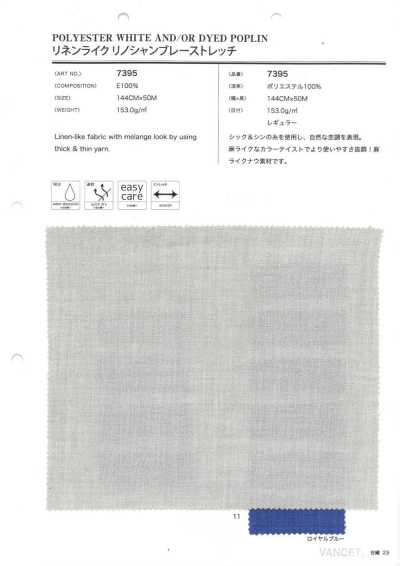
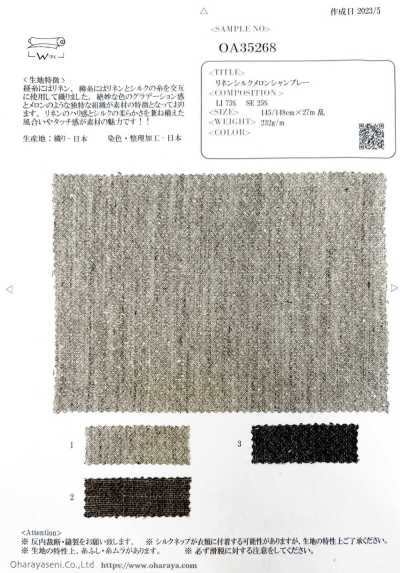
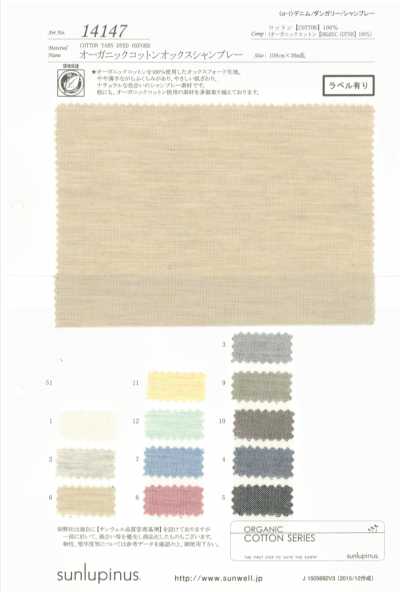
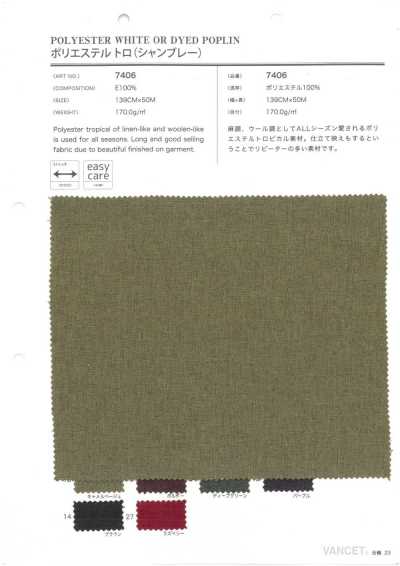
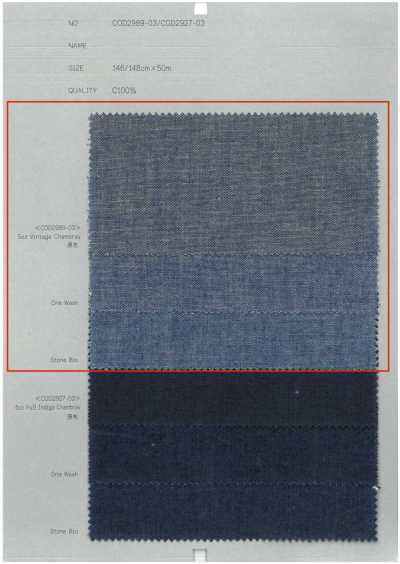
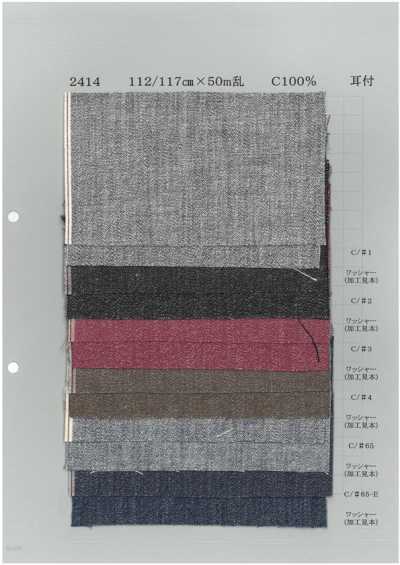
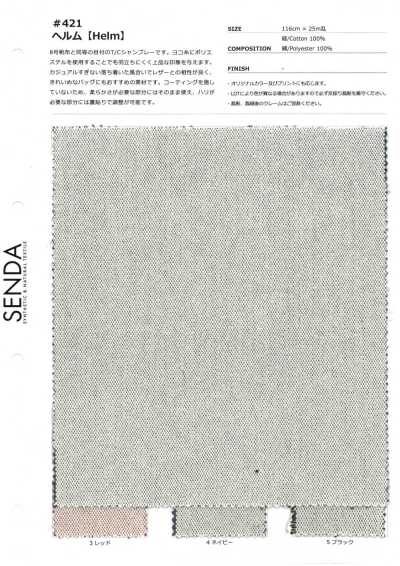
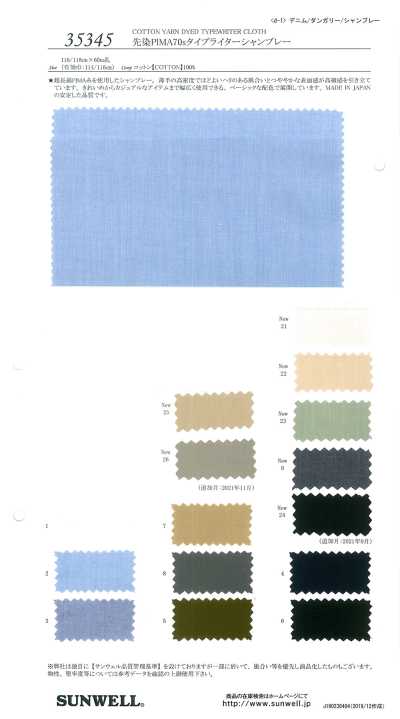
Chambray is a woven fabric made mainly with differently colored warp and weft threads in a plain weave, creating a heathered look and a color tone that changes depending on the viewing angle.
Contents6 sections
Definition and Overview
Chambray is a woven fabric that creates a melange-like appearance, distinct from solid-dyed fabrics, by weaving different colored yarns in the warp and weft. In general, it is most often a plain weave made with colored warp yarns and white or light-colored weft yarns.
It is not a term that refers only to the fiber type itself or the weave structure name; it is a term that also includes the appearance created by the color combination. Cotton shirt fabrics are the most typical example, but there are also versions made with polyester, linen, rayon, and chambray-style materials that are not plain weave.
Features
Through the fine crossing of colors, the difference in yarn color is visible up close, while from a distance it appears to have a sense of depth in tone. Depending on the light and viewing direction, the color can also appear to change subtly, and it may be described as iridescent.
It ranges from lightweight to medium-weight, but cotton plain-weave versions are relatively light and tend to have a crisp, smooth hand. Depending on yarn thickness, density, raw material, and finishing, firmness, softness, sheerness, and durability vary greatly.
Main Applications
It is used for shirts, blouses, dresses, skirts, and pants for lightweight clothing. Taking advantage of its fresh, natural look, it may be adopted for spring and summer casual wear and uniforms.
With relatively firm specifications, it is also used for work shirts and light outerwear. Chambray-style fabrics made with polyester and other materials may also be used as materials for lining, suits, and jackets.
- Lightweight types are suited to shirts, blouses, and dresses.
- Medium-weight types are suited to pants, skirts, and workwear.
- Shiny synthetic-fiber versions are also used for linings and neat, polished garments.
Selection and Handling Notes
Check the composition, fabric weight, density, sheerness, and shrinkage after washing according to the intended use. In shirt fabrics, because the white or light-colored weft yarn appears on the surface, the color of sewing thread and interfacing may stand out more than with dark solid fabrics. When deciding on components, place them against the actual fabric and check the color.
Items containing cotton or linen may shrink or wrinkle when washed. Whether or not to preshrink the fabric before cutting should be judged according to the material specification, and it is important to carry out washing tests before mass production. For fabrics using light and dark yarns, also check for color fading and color transfer caused by friction and washing.
Thin plain weaves may cause seams to pucker or needle holes to show more easily. Choose a fine needle and thread suited to the fabric, and test the sewing conditions in advance. Because pattern and color appearance may have directionality, also check color differences between parts during cutting.
Differences from Similar Terms
Denim is also a woven fabric that often uses colored warp yarns and white weft yarns, but it is generally a twill weave. In contrast, chambray is mainly a plain weave, and the difference is that it tends to be lighter and have a flatter surface than denim.
Yarn dyed refers to a processing method in which the yarn is dyed before weaving. Yarn dyed yarns are often used in chambray, but not all yarn dyed fabrics are chambray. Also, heathered refers to a heather-like effect created by blending fibers of different colors into the yarn, which is a different way of expressing appearance from chambray, which shows color differences between the warp and weft.
Frequently Asked Questions
How is chambray different from denim?
Both may use warp and weft yarns of different colors, but common denim is twill weave, while chambray is plain weave. Chambray has a relatively smooth surface and is light, while denim tends to show the twill texture more clearly and is often made to have thickness and durability.
Is chambray a fabric for summer?
Lightweight cotton chambray is easy to make breathable and is often used for spring and summer garments such as shirts. However, chambray is a term for a weave and color combination, and there are also heavyweight versions and versions made with synthetic fibers. The season is determined by the composition, fabric weight, and finish.
Does chambray shrink when washed?
Chambray containing cotton or linen may shrink or wrinkle when washed. The amount of shrinkage varies depending on the composition, weave density, shrink-resistant finishing, and washing conditions. When making a product, check the fabric specification for shrinkage rate and, if necessary, perform preshrinking and advance testing.