Selvage
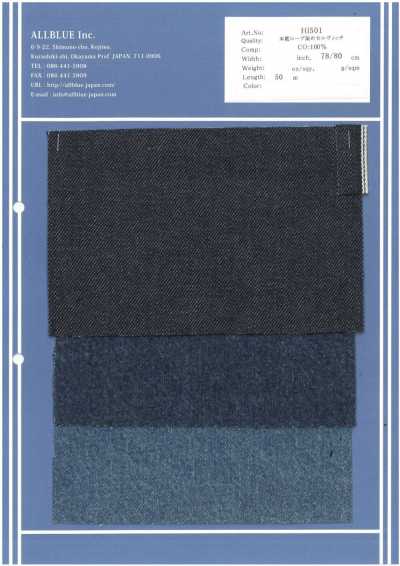
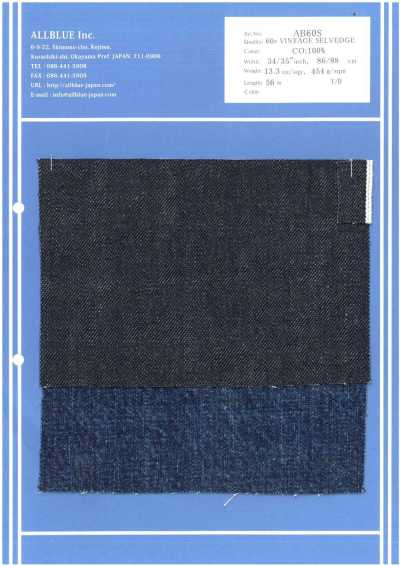
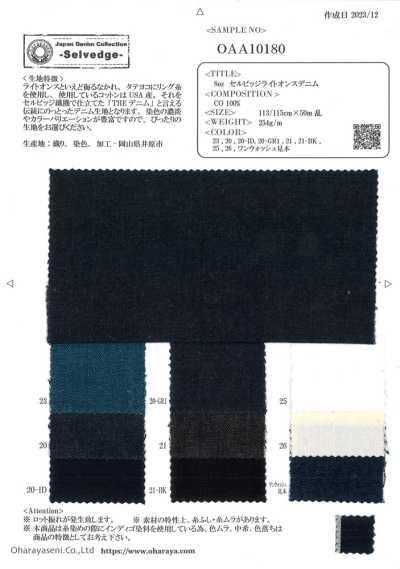
Selvage is the part formed at both edges when weaving fabric, which helps prevent fraying and maintain the textile width.
Contents6 sections
Definition and Overview
Selvage is the edge portions on both sides along the lengthwise direction of woven fabric. During weaving, the weft is turned back, fixing the yarn at the edge and making it less likely to fray. Derived from the English word selvage, it is also called selvedge.
In some cases, the width including the selvage is shown as the fabric width, but in product cutting it is common to use the usable width, excluding the selvage. The width and finish of the selvage vary depending on the loom, fabric structure, material, and processing conditions.
Characteristics and How to Identify It
Compared with the center section of the fabric, such as the body panel area, the selvage may differ in weave density, thickness, firmness, and color tone. Its appearance varies widely, from pieces with identification in text or colored yarns to plain ones that are less noticeable.
When fabric is spread out from a roll, the selvage runs straight along the warp direction. For this reason, before cutting, it can be used as one reference for checking the grain. However, because distortion from storage or processing may also occur, it is important not to judge the grain solely by the selvage.
- Selvages are usually on both the left and right edges of the roll.
- The area near the selvage may stretch or shrink differently from the center section.
- For knit fabrics, edge finishes different from woven selvages are used.
Main Applications
In regular apparel products, selvage is generally not used for the main pattern pieces of the outer fabric because it becomes seam allowance or is cut off. On the other hand, when the colored yarns, text, or unique woven appearance of the selvage is shown as a design feature, it may be used as an accent on side seams, pockets, hems, and similar areas.
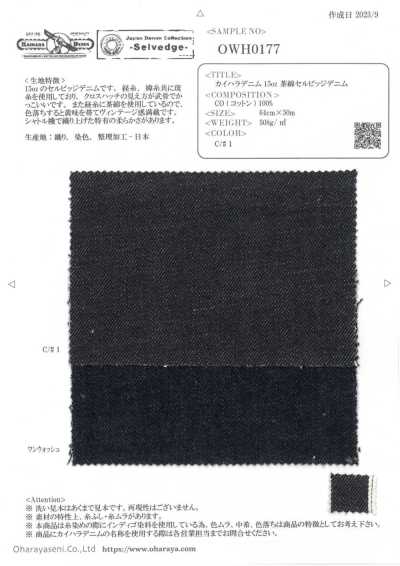
In denim and similar fabrics, specifications that make use of the selvage may be treated as a characteristic of the fabric. When designing to show the selvage, it is checked in advance whether the appearance will match on the left and right sides of the product and whether the required length can be secured.
Selection and Handling Notes
When calculating yardage, confirm not only the fabric width but also the usable width excluding the selvage. Because uneven weaving, dirt, or processing effects may appear near the selvage, it is necessary to determine the cuttable range from the actual material.
When using the selvage in a product, carry out water soaking or washing tests before and after cutting to check for differences in shrinkage from the center section, waviness, and color transfer. In areas where a thick or firm selvage is sewn in, also pay attention to sewing defects caused by the needle, thread, and layered seam allowance.
- When ordering, confirm whether the listed measurement is the fabric width or the usable width.
- For specifications that show the selvage, confirm the appearance differences from roll to roll and the look of the selvage.
- Before mass production, make prototypes involving cutting, sewing, and washing that include the selvage.
Differences from Similar Terms
Fabric width refers to the horizontal dimension of the roll, while selvage refers to the edge portions on both sides. Usable width means the width that can be used for cutting products, excluding the selvage and other hard-to-use edge areas. These affect yardage and marker placement, so they should be checked separately.
The grain is the direction of the yarns that make up the fabric; in woven fabrics, it mainly refers to the warp and weft directions. The selvage is generally parallel to the warp direction, but the selvage itself is not a term that means the grain.
Frequently Asked Questions
Do selvages always need to be cut off when cutting?
In general, selvages are cut away from the main pattern pieces because their thickness, feel, and shrinkage rate may differ from the center section of the fabric. However, if the look of the selvage is used as part of the design, it is used after prototype testing confirms sewing performance and changes after washing.
Why are fabric width and usable width different?
Fabric width may include the selvage, but the area near the selvage may differ from the center section in weave structure and processing condition, making it unsuitable for cutting. Usable width is the range that can be used stably, excluding these edge areas. Confirming the usable width is important when calculating yardage.