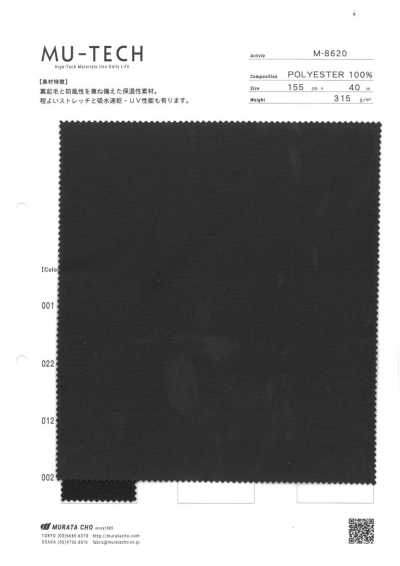
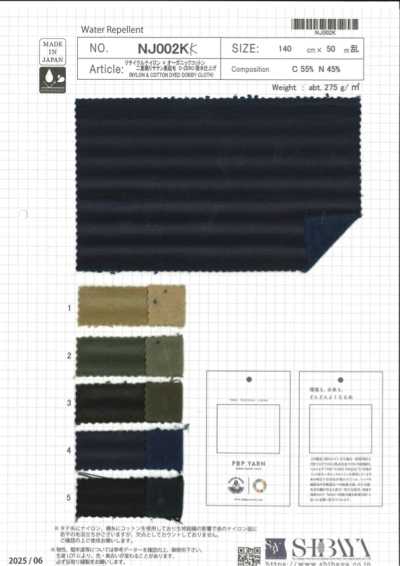
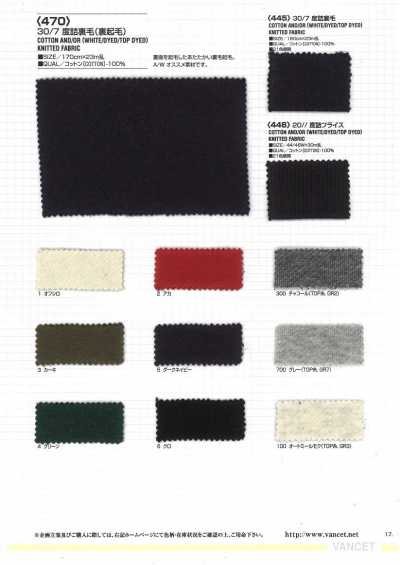
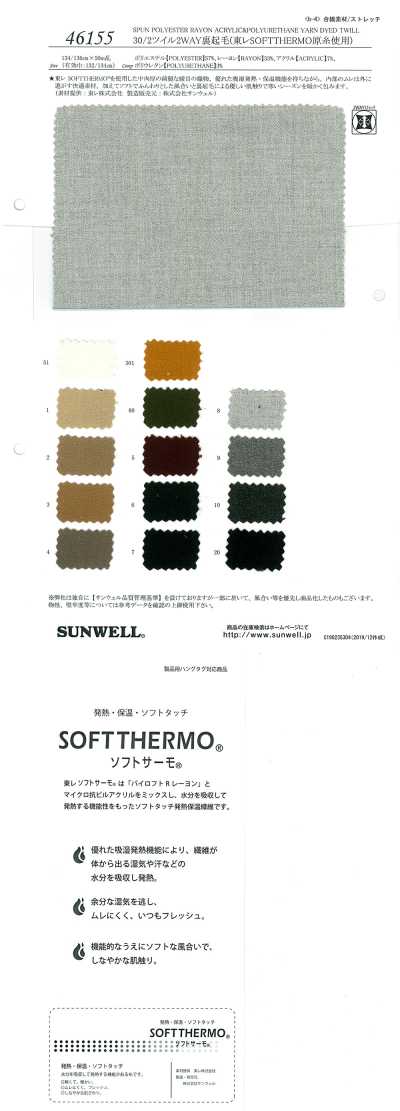
Back Brushed
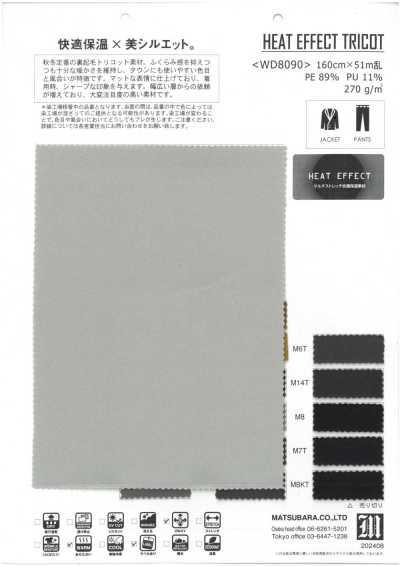
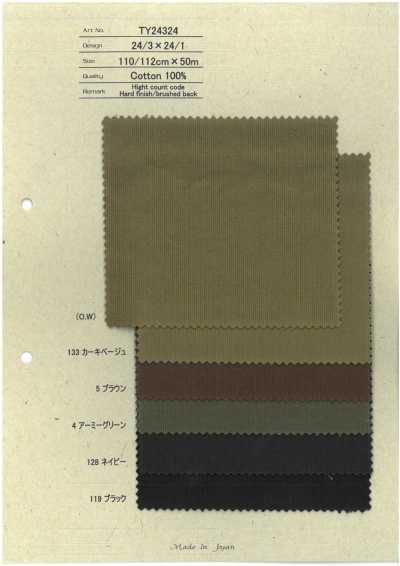
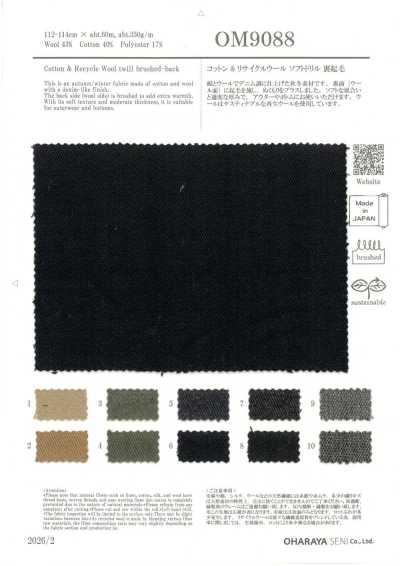
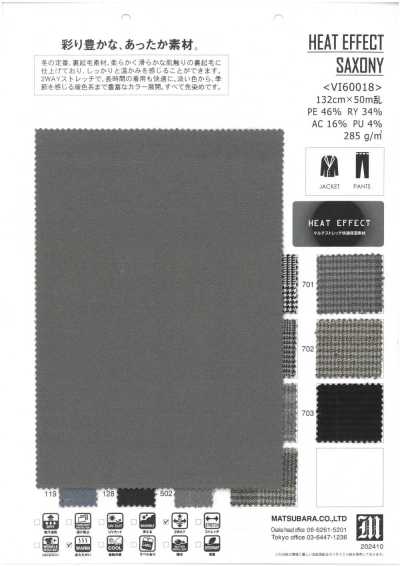
Brushed backing refers to a knit or woven fabric whose reverse side has been brushed to raise fibers and trap air, adding warmth and a soft hand to the fabric or finishing process.
Contents6 sections
Definition and Overview
Brushed back refers to a brushing process in which the back side of a textile, the side against the skin, is brushed with a carding machine or similar to raise the surface fibers, or to the textile that has undergone this process. Because an air layer forms between the fibers, it tends to feel warmer than a thin textile.
It is mainly used for knit fabrics such as sweatshirts, but it can also be applied to the back side of woven fabrics. Depending on the surface structure, the blend ratio of the materials, thickness, and brushing length, heat retention, loft, and appearance can vary greatly.
Features
The back side becomes soft and fluffy, creating a texture that makes cold air less likely to touch the skin. On the other hand, brushing increases the thickness of the textile, so even when the surface fabric is the same, brushed-back products may feel heavier and bulkier when worn.
Those made mainly of cotton are easier to give a natural skin feel, while those made with polyester and similar materials may be designed with lightness and quick drying in mind. However, performance depends not only on the material name but also on the structure and processing conditions.
- Easier to provide heat retention
- Soft feel on the back side
- May shed fibers or pill
- Thickness and texture change depending on the amount of brushing
Main Applications
It is used for autumn and winter sweatshirts, hoodies, pants, dresses, loungewear, and kids' wear. In addition to cut-and-sewn applications, it may also be used for lightweight outerwear and mid-layers for sports and outdoor use, taking advantage of the heat-retaining back side.
When considering applications, confirm whether it will touch the skin directly or be worn as a layered garment. Textiles with deep brushing are warm, but they may feel too hot indoors or during exercise, so selection should match the wearing environment.
Selection and Handling Notes
When choosing a textile, check the density of the brushed side, fiber length, shedding, thickness, and stretchability using an actual sample. Since the amount of stretch may differ between the surface and the back side, also confirm combinations with rib knit or other fabrics, the thickness of seam allowances, and how it will look after sewing in advance.
During washing, friction can cause fuzzing, pilling, and fiber loss. Turning the item inside out, using a laundry net, and washing according to the care label help reduce friction. Dark-colored items may show fuzz more easily, so washing them separately from white items is recommended.
During cutting, fiber debris may come off from the brushed side, so cleaning and inspection during the sewing process are important. Since shrinkage and texture changes after washing differ depending on the material and processing, washing tests and sewing tests should be performed before full production.
Differences from Similar Terms
French terry is a knit fabric in which looped threads appear on the back side. Brushed back usually refers to a state in which that looped back side has been brushed to create a fuzzy surface, and it is distinguished from French terry itself. However, a fabric made by brushing French terry may also be called brushed back.
Fleece generally refers to a fabric made by brushing and shearing a knit fabric to create dense fibers on one or both sides. Brushed back is a term that focuses on the processed state of the back side, and it does not mean the same thing as fleece.
Frequently Asked Questions
Which is warmer, brushed back or French terry?
In general, brushed back, in which the loops of French terry are brushed to raise the fibers, holds air more easily and feels warmer. However, actual heat retention varies depending on the thickness of the textile, density, material, amount of brushing, and garment ease, so it is important not to compare them by name alone.
Does brushed back pill easily?
When the brushed surface is subjected to friction, fibers can tangle, causing pilling and fiber shedding. Friction during washing and contact with other clothing especially affect this. Turning the item inside out, placing it in a net, and washing according to the care instructions make it easier to suppress changes in texture.