Cotton
Cotton is a natural fiber made from the fibers that grow around the seeds of the cotton plant, and it is widely used from clothing to household materials for its absorbency and soft feel against the skin.
Contents6 sections
Definition and Overview
Cotton is a natural fiber of plant origin harvested from cotton plants. It is often used as spun yarn made by twisting short fibers together, and in woven fabrics it is used for warp and weft yarns, while in knits it is used for knitting yarn. In addition to being used on its own, it is also used in blends and union fabrics with polyester, linen, and other materials.
Depending on yarn thickness, twist strength, weave or knit structure, density, and finishing, the appearance and performance of cotton can vary greatly, from light lawn to heavy canvas, jersey, and French terry. It is important to check not only the material name, but the entire fabric design.
Features
Cotton is generally absorbent and readily absorbs sweat and moisture, making it a suitable material for clothing that touches the skin. It offers a wide range of textures, from crisp to soft with a brushed finish, and is also used for dyeing and printing.
On the other hand, it tends to dry slowly when it absorbs moisture. It may also shrink, wrinkle, or experience color fading or color transfer during washing. Since its properties differ depending on processing, fabric density, dyeing method, and blend ratio, test results and care labels should be checked.
- Its absorbency makes it suitable for shirt fabrics, cut-and-sew fabrics, towel fabrics, and more.
- It is compatible with both woven fabrics and knits, offering a wide range of expression through structure and processing.
- It may have a matte appearance typical of natural fibers, and some products allow you to enjoy changes in texture through wear.
Main Applications
Light to medium-weight cotton materials are used for shirts, blouses, T-shirts, underwear, dresses, children's clothing, and nightwear. They are often selected for spring and summer planning that requires breathability and a comfortable feel against the skin, while knitted fabrics, brushed finishes, and layering also make them suitable year-round and for autumn and winter.
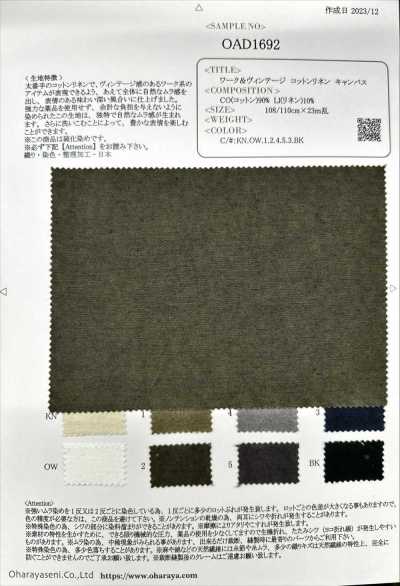
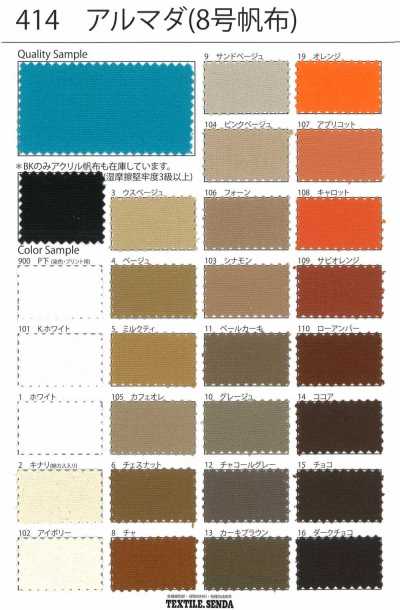
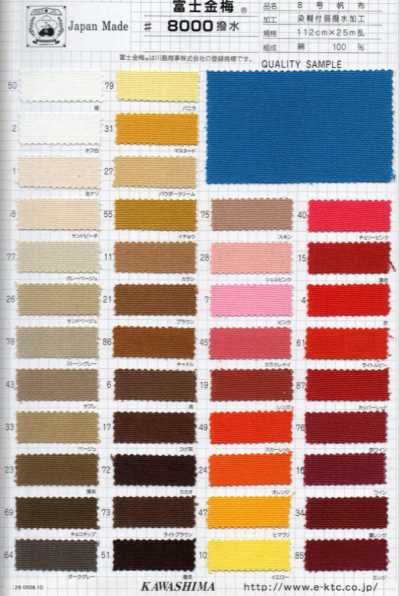
High-density or heavy cotton materials are suitable for pants, jackets, workwear, denim, bags, hats, aprons, and covers. Durability and shape retention should be judged by the fabric structure, yarn thickness, and density.
How to Choose and Handling Precautions
Depending on the application, check whether it is woven or knit, as well as fabric weight, thickness, density, stretch, and sheerness. Choose the structure according to the desired form and strength, such as plain weave or poplin for shirts, jersey or circular rib for cut-and-sew items, and canvas for bags.
Before cutting and sewing, carry out washing tests and straightening under the same conditions as mass production to check shrinkage and skew. In products intended for water washing in particular, differences in shrinkage between length and width affect dimensions and patterns. For dark colors, rubbing fastness and color transfer during washing must also be checked.
In sewing, select needles, thread, and stitch types that suit the thickness and density of the fabric. For light fabrics, watch for needle holes and seam puckering; for heavy fabrics, be careful of needle breakage and poor stitching at thick intersections. Evaluate seam appearance and post-wash condition through prototypes that include sewing specifications and ancillary materials.
Differences from Similar Terms
Organic cotton is a term for cotton that focuses on cultivation and processing management methods, and it is distinguished from the fiber name cotton itself. Even with organic cotton, texture, strength, and shrinkage vary depending on yarn and fabric design and processing.
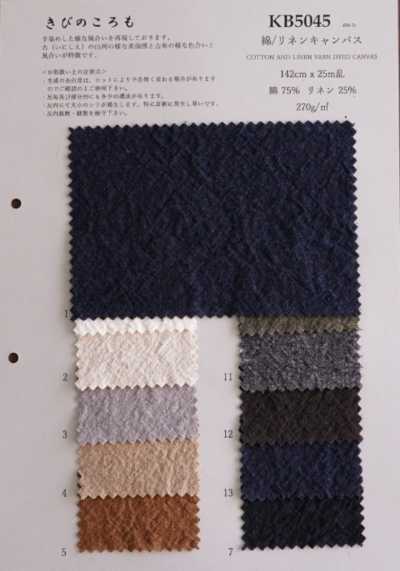
Linen is also a natural fiber of plant origin, but the source plant and fiber properties are different. In general, linen tends to show more crispness and slub character than cotton, while cotton is used in a wider range of structures and finishes. In blends with polyester, the goal may be to improve drying performance and wrinkle resistance.
Frequently Asked Questions
Does 100% cotton fabric always shrink?
100% cotton fabric may shrink during washing and other care, but the amount of shrinkage varies depending on the yarn, fabric structure, density, finishing, and whether shrink-resistant processing has been applied. Before productization, it is important to test under the same washing conditions as mass production and reflect the shrinkage rate in the pattern and specifications.
What is the difference between cotton and polyester blends?
Blending cotton with polyester can sometimes maintain cotton's absorbency and natural texture while adjusting drying performance, wrinkle resistance, and strength. However, performance changes depending on the blend ratio, structure, and processing, so do not judge the application by the material name alone; check the fabric sample and test results.
- Browse Cotton products
- Products with material "Cotton"
- Products for style "For Shirts/blouses"
- Products for style "For Knits/cut-and-sewn Garments"
- Products for style "For Pants"
- Products for style "For Skirts And Dresses"
- Products for style "For Kids"
- Products for style "For Bags"
- Products for style "For Interiors"
- Browse Textile products