Melton
Melton is a textile made by fulling a thick woven fabric, mainly using woolen yarn, to create a dense, smooth surface with inconspicuous weave, and it has warmth and moderate firmness.
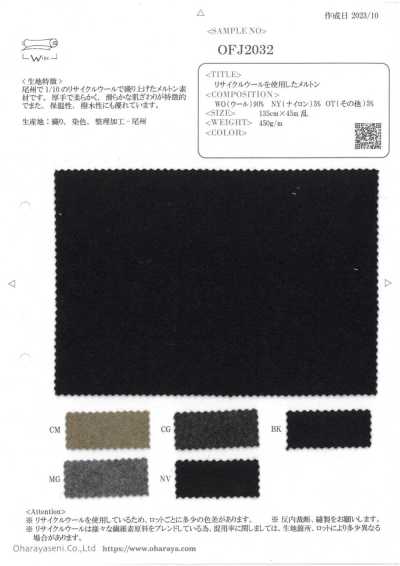
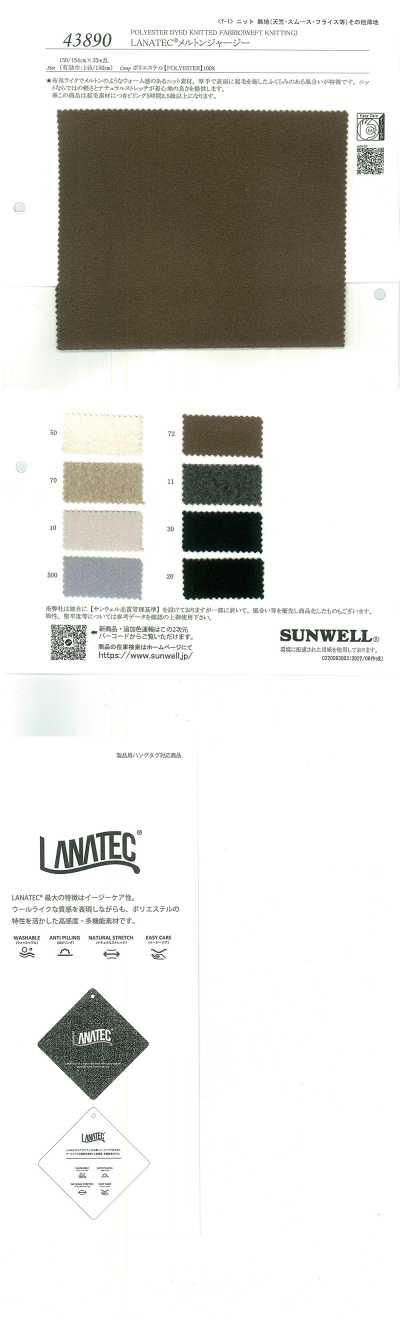
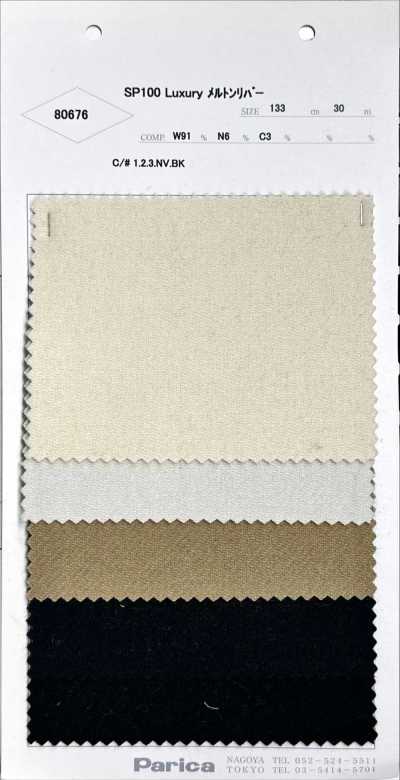
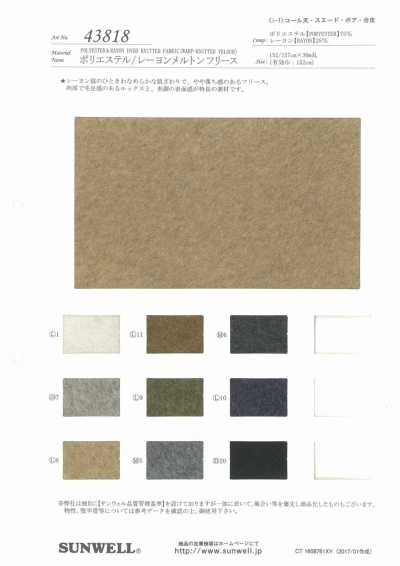
Contents6 sections
Definition and Overview
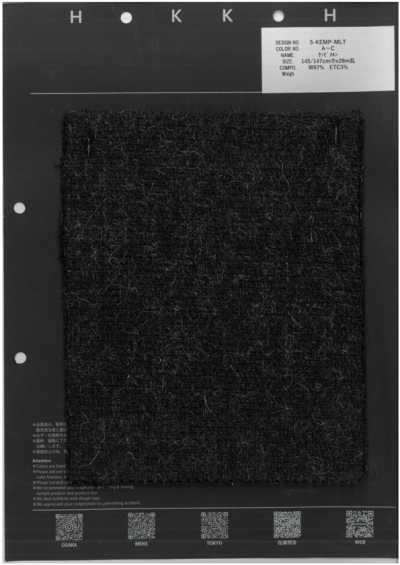
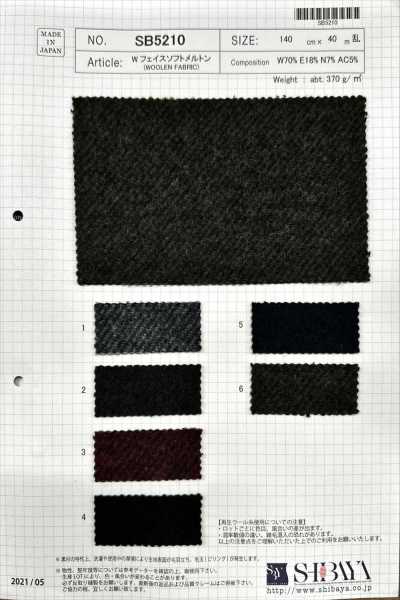
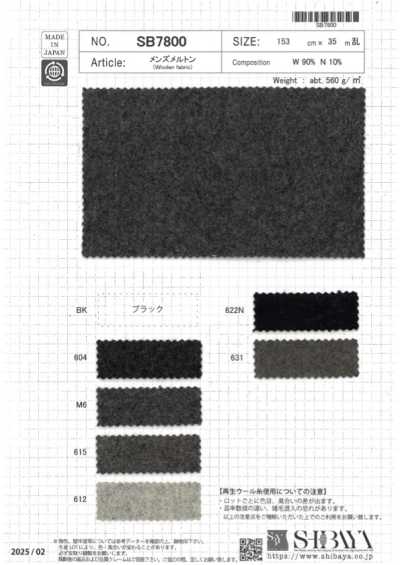
Melton is a textile made by fulling a woolen woven fabric, usually centered on wool. Fulling refers to a process that uses heat, moisture, friction, and similar factors to entangle fibers and make the structure denser. After processing, the weave is hard to see, and the surface becomes compact and felt-like.
Traditionally, wool versions are the most typical, but today there are also fabrics blended with polyester and fabrics finished to have the look and feel of Melton. Depending on the raw material, weave structure, and degree of fulling, thickness, firmness, fuzziness, and lightness can vary greatly.
Characteristics
Because many versions are dense and thick, they are expected to provide warmth and tend to block cold air. The surface is finished by brushing or shearing, creating a calm matte appearance and a firm, resilient hand.
On the other hand, thick Melton can be heavy and tends to have limited drape. When the wool blend ratio is high, it may feel heavy when it absorbs moisture. In addition, fuzzing and pilling may occur in areas subject to friction.
- A dense surface with little visible weave
- A thick feel that can provide warmth and wind resistance
- Firmness and stability that make it suitable for tailored garments
- A wide range of texture, from firm to soft, depending on the material and processing
Main Applications
It is widely used for autumn and winter outerwear such as coats, blousons, jackets, and varsity jackets. Taking advantage of its substantial thickness, it is also used for uniforms, stage costumes, hats, bags, and more.
It suits designs that want to emphasize a heavy, refined appearance. In particular, it is considered for items with straight silhouettes, pieces that need to retain the shape of collars or front edges, and products that express a structured form.
Selection and Handling Notes
When selecting it, check not only the blend ratio but also the fabric weight, thickness, strength of fulling, surface fuzz, and firmness using an actual sample. Even within Melton, there are types ranging from heavy ones for coats to relatively light ones that are easy to use for jackets and small items, so it is important to match the intended application and sewing specifications.
Before cutting, check the grain, nap, and how the color appears, and arrange the pieces in the same direction. Because seam allowances can overlap and become bulky in thick fabrics, review seam allowance trimming, grading, and pressing conditions in advance. Since needle holes, impressions, and presser marks may stand out, a test sew is necessary.
Melton containing wool may shrink or change texture due to washing, high heat, or strong friction. Before production, carry out washing and pressing tests, and set care instructions based on the textile care tag and test results.
Differences from Similar Terms
Flannel broadly refers to a soft woven fabric with a brushed surface, and many versions are thinner than Melton and still show the weave. Melton is characterized by the high density created by fulling and its more compact surface.
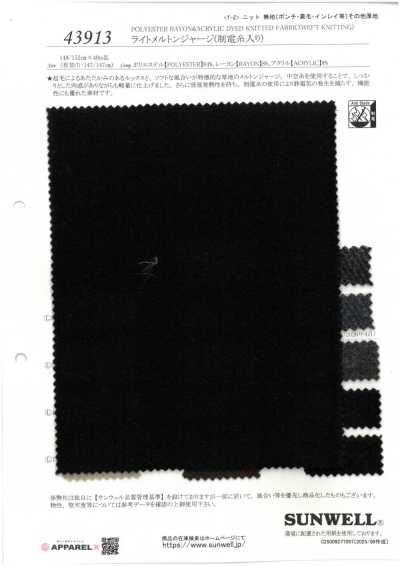
Tweed is a woven fabric enjoyed for its material expression and weave patterns created by yarns of different thicknesses and colors, as well as slub yarns. In contrast, Melton tends to hide the structure after fulling and has a relatively even, smooth appearance. Knit Melton, meanwhile, is a knitted fabric processed to look like Melton, and its structure and stretch differ from woven Melton.
Frequently Asked Questions
Is Melton a 100% wool textile?
Traditional Melton often uses wool as the main raw material, but it is not necessarily 100% wool. There are also blended products with polyester and other materials, as well as fabrics finished to have a Melton-like appearance using different materials. Check the blend ratio and texture according to the intended use.
Can Melton be washed at home?
Whether it can be washed depends on the blend ratio, the state of fulling, and the garment's trim and construction. In particular, items containing wool may shrink, harden, or lose shape when washed with water, so it is necessary to follow the care instructions. Pre-testing is carried out during product planning.
What should be noted when sewing Melton?
Because of the thickness, seam allowances can easily overlap and step sections can become hard. Check seam finishing, needles and thread, presser pressure, and pressing conditions through test sewing. Fabrics with a nap can also show differences in color depending on cutting direction, so align the orientation of all pieces.