Seersucker
Seersucker is a woven fabric in which flat sections and puckered sections alternate, with less contact against the skin and an easy, dry feel when worn.
Contents6 sections
Definition and Overview
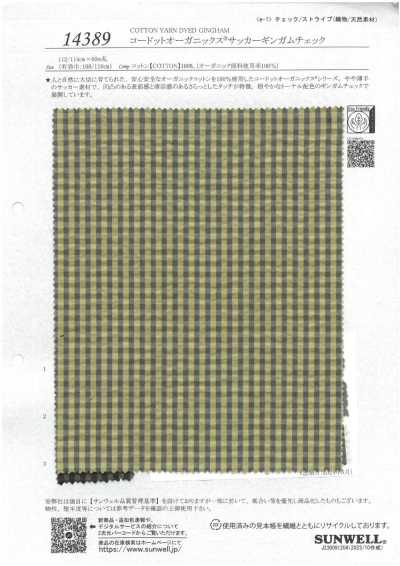
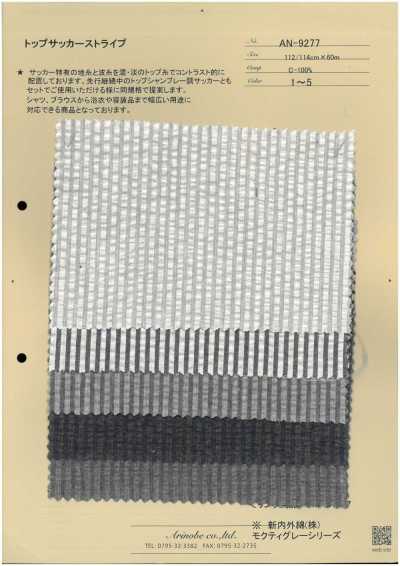
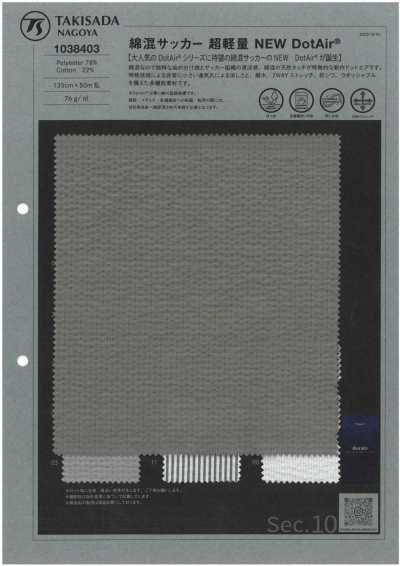
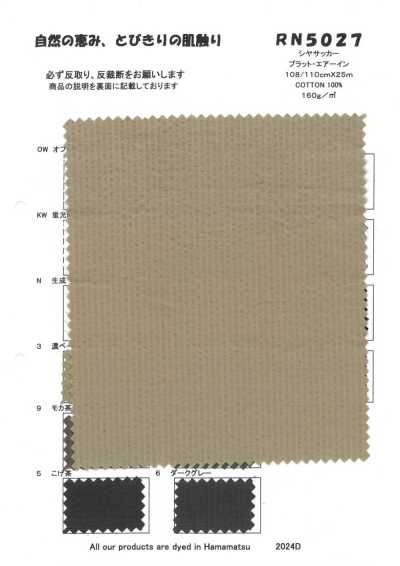
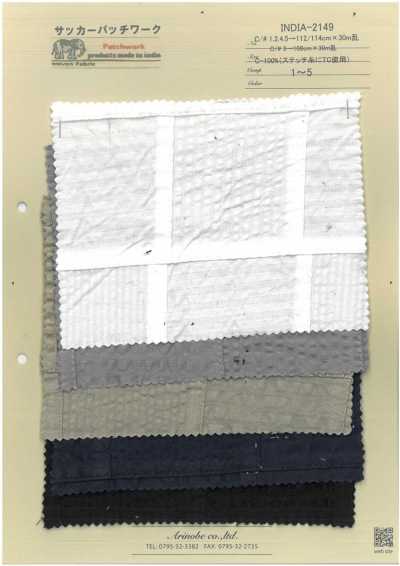
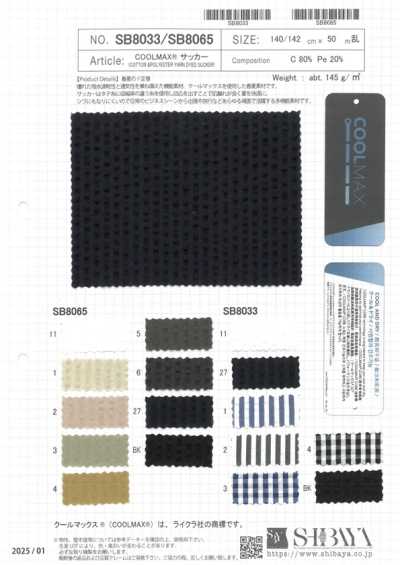
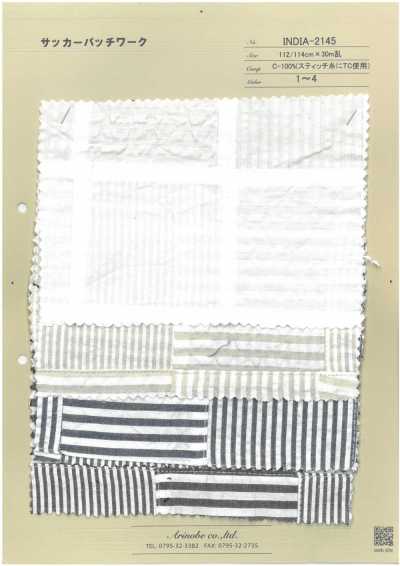
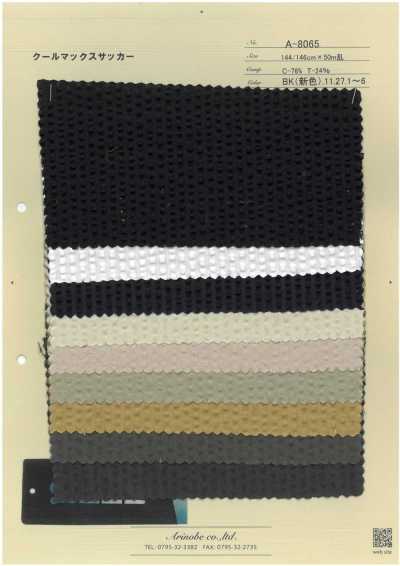
Seersucker is a woven fabric with a fine, wavy, textured surface created by weaving with differences in warp tension and shrinkage. The typical type has flat areas and textured areas arranged in stripes, but solid-looking, checked, and striped versions also exist.
In Japan, it is also commonly called "sucker." However, since sucker can also refer to the sport, using "seersucker" or "seersucker textile" in documents or product searches that specify fabric makes the intent clearer.
Features
The textured surface creates space between the textile and the skin, making it less likely to feel sticky and giving it a dry, comfortable touch. It ranges from lightweight to medium-weight, and its lightness, firmness, softness, and sheerness vary greatly depending on the material, density, and finish.
When made with cotton, it tends to have a natural look and feel. Polyester blends and polyester versions are also designed for quick drying and dimensional stability. The texture also gives the fabric visual depth, creating a three-dimensional look even in a solid color.
- The contact area with the skin is relatively small, so it tends to feel cool.
- The textured shadows add character, making it suitable for looks ranging from casual to neat and polished.
- Depending on the composition and design, some versions offer stretch and quick-drying moisture absorption.
Main Applications
Thanks to its breathability and ability to stay off the skin, it is widely used for spring and summer shirts, blouses, dresses, skirts, and pants. Lightweight versions are also suitable for nightwear and kidswear, while versions with moderate firmness may be used for jackets and sets.
Typical patterns include stripes and gingham, which give a traditional impression. On the other hand, solid-looking seersucker is easy to pair with patterned items while making use of its surface texture, and it is also used for uniforms and summer items that require easy care.
How to Choose and Handling Precautions
Choose according to the intended use by checking the composition, fabric weight, sheerness, texture height, and stretch. For shirts and blouses, look at lightness and sheerness; for pants and jackets, check density, firmness, and durability. For striped or checked patterns, it is also necessary to confirm whether pattern matching is required when cutting.
For washing, follow the composition and care label instructions. Items containing natural fibers may shrink in washing, and strong machine drying may alter the texture and dimensions. For ironing, use a pressing cloth so as not to flatten the texture, and if needed, finish from the reverse side at low temperature.
During sewing, the textured surface may make the seam line less stable. Before cutting, align the grain, and for slippery lightweight fabrics, devise a method to secure the pattern pieces. Choose interfacing and other notions that do not damage the surface texture and match the stretch and thickness of the outer fabric.
Differences from Similar Terms
Seersucker is a fabric name and structural term for a textile with a textured surface, not a fiber name such as cotton or polyester. It also does not refer only to stripes; there are solid and checked seersucker fabrics as well.
Crepe is also a fabric with a textured surface, but its fine irregular texture is generally produced by highly twisted yarns or by processing. Seersucker is characterized by its relatively regular appearance, with alternating flat and raised sections.
Frequently Asked Questions
Is seersucker a summer fabric?
Because it has less contact with the skin and is often designed to breathe easily, it is generally suitable for spring and summer clothing. However, its seasonal suitability depends on the composition, thickness, density, and finish. Medium-weight types with firmness are also used for summer jackets and sets.
Can seersucker be ironed?
After checking the care label, the basic approach is to test only the necessary areas at a low temperature. Pressing hard from the front may flatten the distinctive seersucker texture. Gently shaping it from the reverse side with a pressing cloth, or using steam to shape it, is suitable.
What is the difference between seersucker textile and crepe textile?
Both fabrics make it easier for the material to stay off the skin through texture, but the way the texture is created and how it looks are different. Seersucker is characterized by the alternating appearance of flat and raised sections created by weaving. Crepe is characterized by a fine, irregular texture created by highly twisted yarns and similar methods.
- Browse Seersucker products
- Products with material "Cotton"
- Products with material "Polyester"
- Products for style "Cool-touch And Cooling Materials"
- Products for style "For Shirts/blouses"
- Products for style "For Pants"
- Products for style "For Skirts And Dresses"
- Products for style "For Jackets/Suits"
- Products for style "For Nightwear"
- Browse Textile products