Textured Surface
Textured surface is a term for the texture created by fine irregularities or crinkles on the surface of a textile, and its appearance and feel vary depending on the material, weave or knit structure, and processing.
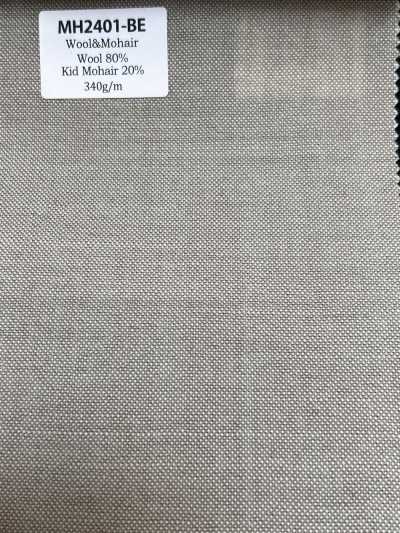
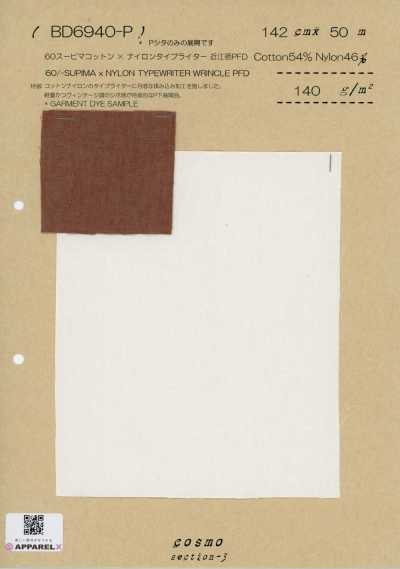
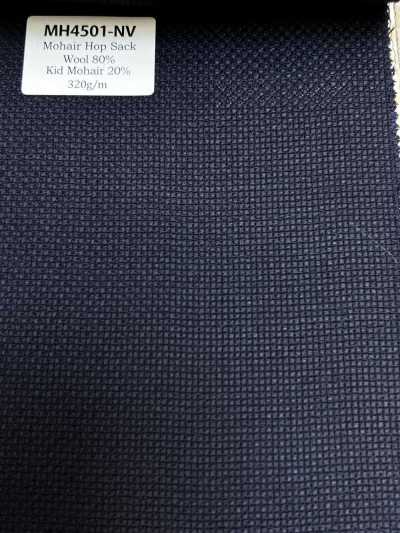
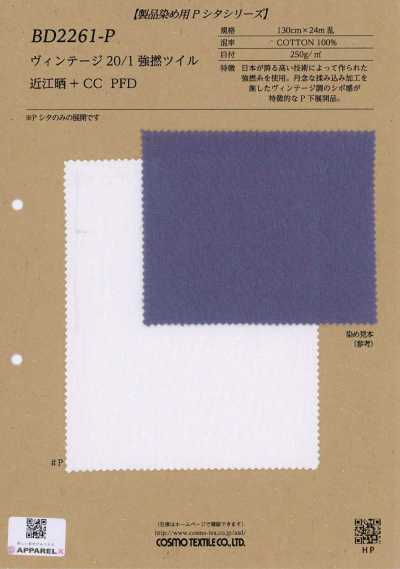
Contents6 sections
Definition and Overview
Textured surface refers to the fine, irregular or regular bumps and depressions on the surface of a textile. It is not the name of a material or weave structure, but a term that describes the surface shape and the resulting hand. It is created by weaving method, twisted yarn, differences in shrinkage, dyeing, and finishing processes.
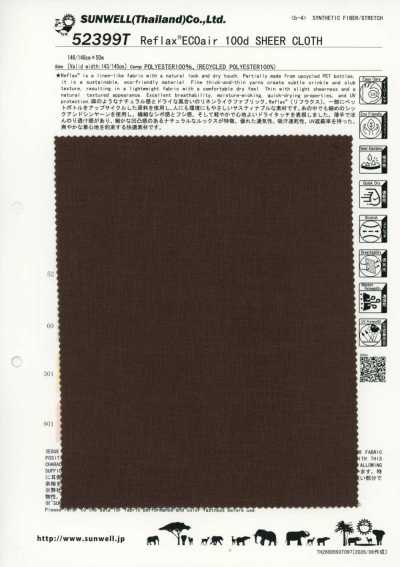
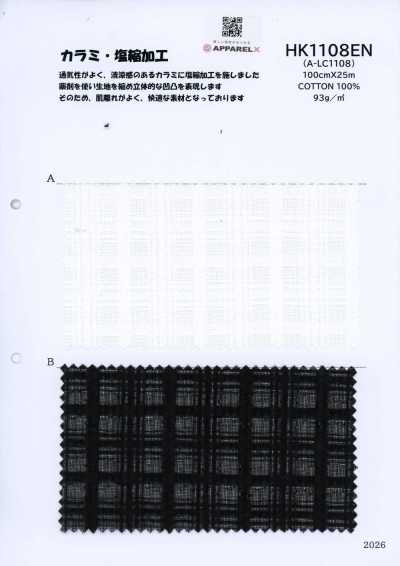
In textile descriptions, an appearance with natural crinkling or a touch created by bumps and depressions is expressed as textured surface. It is used for a variety of textiles made from different materials and methods, such as Japanese-style textiles, synthetic fiber textiles with a dry hand, and cotton materials that have been washed.
Features
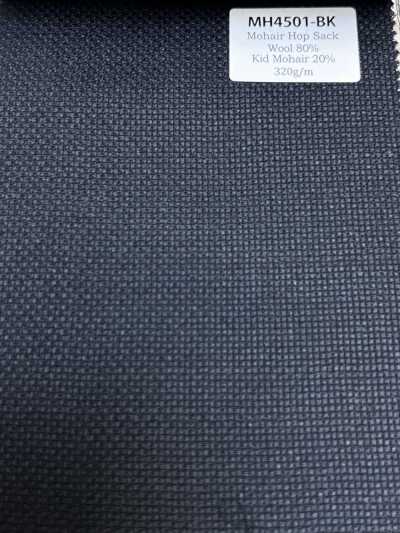
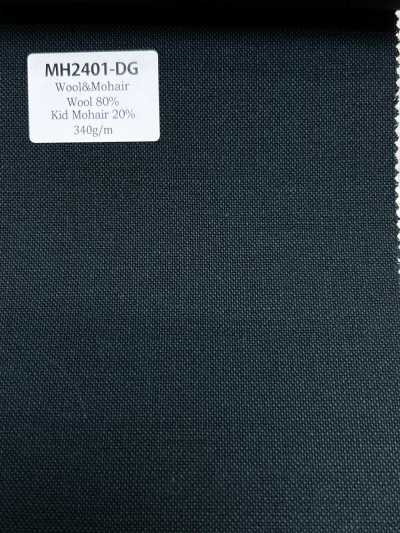
Textiles with a textured surface do not reflect light uniformly as easily, so they tend to have a more subdued look with shadows than smooth textiles. Even in solid fabrics, the fine bumps and depressions add character and adjust the impression from casual to elegant applications.
The hand varies depending on the size and density of the texture and the material. Texturing from high-twist yarn tends to create a smooth, dry touch, while texturing from washing may produce a natural, soft appearance. The bumps and depressions reduce the area that touches the skin, and some people feel that it does not cling to the skin.
Main Applications
Lightweight to medium-weight textured textiles are used for blouses, shirts, dresses, and skirts. In materials with drape, the bumps and graceful fall are used to create designs with movement.
Synthetic fibers with a dry textured feel and textiles with a pronounced texture are also used for pants, jackets, and light clothing. This surface character can be used year-round, but when its smooth, non-clinging feel is desired, it is often chosen for spring and summer clothing.
Selection and Handling Notes
During planning, check the size and direction of the texture, sheerness, thickness, stretch, and drape on the actual sample. Even when the term textured surface is used, the structure differs depending on weaving, knitting, or processing, so determine for each textile whether it is suitable for the required strength, sewing specifications, and washing method.
Water washing, steam, or pressing may weaken processing-based texture or change the appearance. Since the possibility of shrinkage and twisting also varies depending on the material and processing, washing tests and straightening should be done before mass production, and shrinkage should be checked according to the specifications.
When cutting, the bumps and depressions may make the textile unstable, so let it relax before cutting to even it out. During sewing, do not pull the textile; instead, adjust presser foot pressure, feed amount, and the needle-and-thread combination with test stitching to prevent seam shrinkage and puckering.
Differences from Similar Terms
Crape is generally the name of a woven fabric in which texture is expressed by high-twist yarn or similar means. Textured surface, on the other hand, refers to the bumps and depressions seen on various textile surfaces, not just crape. Therefore, textured surface is not a fabric name but an expression of appearance and hand.
Yoryu (wrinkle crepe) is a woven fabric characterized by long, narrow texture appearing in the warp direction. Chirimen is characterized by fine texture mainly created by strongly twisted weft yarn. Wrinkle processing is a post-process that gives a wrinkled appearance, and its structure differs from texture derived from the weave or yarn.
Frequently Asked Questions
What is the difference between textured surface and crape?
Textured surface is a term that describes the state of bumps and depressions on the surface of a textile. Crape is used as a general term for woven fabrics that create texture using high-twist yarn or similar methods. Crape has texture, but not all textiles with texture are crape.
Can textiles with a textured surface be washed at home?
Whether washing is possible is determined not by the presence of texture but by the type of fiber, structure, dyeing and finishing, and use of accessories. Since washing may change the appearance of the bumps and depressions and the dimensions, always follow the care label on the product, and in mass production confirm it with advance testing.
What should be noted when sewing textured textiles?
A bumpy surface can make feeding unstable and may cause seam shrinkage or puckering. Before cutting, let the textile relax and straighten it, and use test stitching to adjust the needle, thread, presser foot pressure, and stitch length. When ironing, use a pressing cloth and take care not to press it down too hard.