Crepe
Crepe is a general term for woven fabrics characterized by fine surface irregularities and crinkles created by strongly twisted threads and similar methods, and it is a textile whose texture and applications vary widely depending on the material, weave, and thickness.
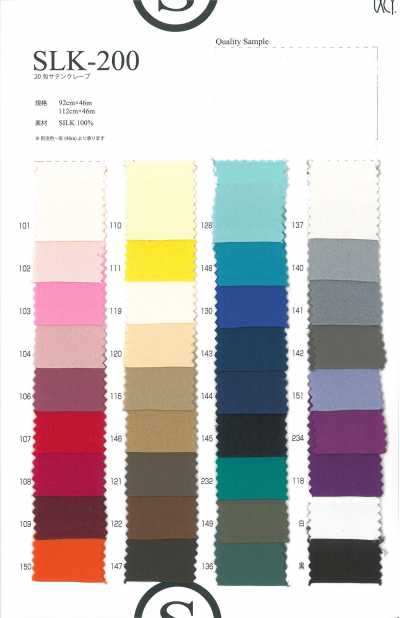
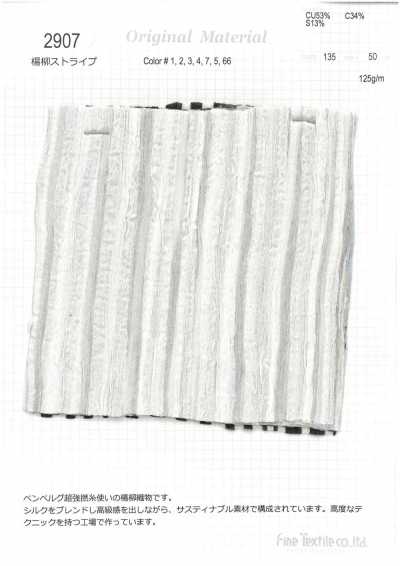
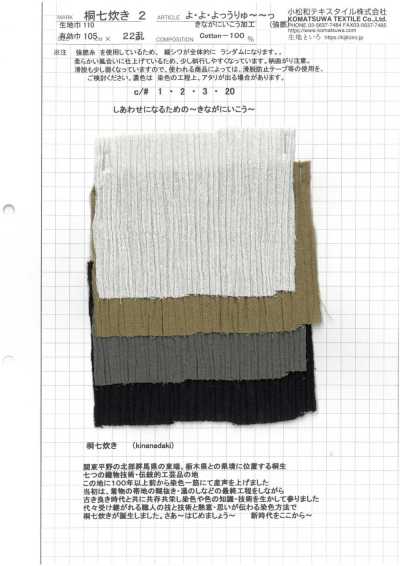
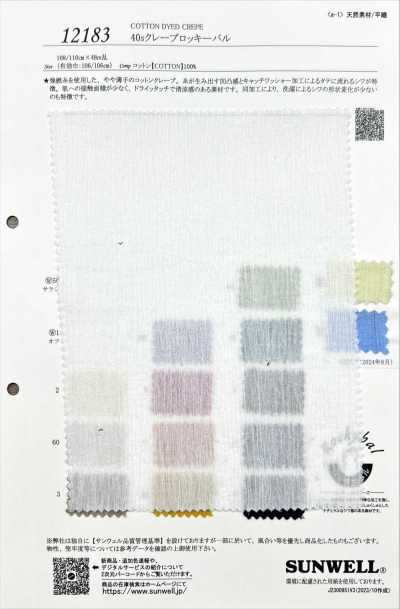
Contents6 sections
Definition and Overview
Crepe is a general term for textiles with a fine uneven surface, crinkled texture, or puckered feel, often made using strongly twisted yarns. It does not refer to a specific fiber or a single weave structure, but is made from cotton, silk, wool, rayon, polyester, and other materials.
The appearance of the texture changes depending on yarn twist, the combination of warp and weft, weave structure, and finishing processes such as scouring and dyeing. For this reason, even fabrics called crepe can vary greatly in character, from thin and sheer to thick with a fluid drape.
Texture and Functional Features
The textured surface creates a smooth touch, subtle luster, and a shaded appearance. Fabrics that feel like they make less contact with the skin may help reduce stickiness, and they are also used in lightweight textiles for spring and summer.
Products with the resilient feel of strongly twisted yarns combine moderate firmness and drape. However, texture, breathability, moisture absorbency, and wrinkle resistance depend on the fiber type, density, and finish, so it is important not to judge them by the name crepe alone.
Main Applications
Thin, lightweight crepe is used for blouses, shirts, dresses, skirts, and gowns. It works well with gathered or draped designs that take advantage of its fluid movement, and the need for lining is determined by checking the sheerness and how visible the seams are.
Medium-weight to heavy crepe is also used for pants, jackets, suits, and formal wear. Those made with polyester and similar materials may be planned for any season, but the actual wearing season should be considered together with fabric weight, thickness, blend ratio, and lining specifications.
- Thin: blouses, dresses, skirts, gowns
- Medium-weight / heavy: pants, jackets, suits, formal wear
- Lining: for adjusting sheerness and reducing the visibility of seam allowances
Selection and Handling Notes
When selecting, check the size and uniformity of the texture, sheerness, thickness, drape, and whether it has stretch in the actual fabric. Because textured fabrics may look and stretch differently depending on the direction, cut along the grain, and if necessary, test compatibility with interlining in advance.
Because washing may cause shrinkage or changes in texture, test under the conditions assumed in the care label before mass production and confirm the shrinkage rate. Thin fabrics and those with strong drape are more likely to shift during sewing or show puckering, so match the needle, thread, and stitch conditions to the fabric and sew a trial sample.
Differences from Similar Terms
Georgette is often treated as a type of thin crepe made with strongly twisted yarns, and is characterized by fine texture and a light sheerness. Crepe is a broader general term and includes fabrics of many thicknesses, materials, and weaves beyond georgette.
Chirimen also features texture created by strongly twisted yarns, but in Japan it may be used to refer to silk textiles, especially fabrics for traditional clothing. Amunzen is a woven fabric with fine sand-like unevenness, and although it has an appearance similar to crepe, the weave structure indicated by the name and the market term used are not the same.
Frequently Asked Questions
What is the difference between crepe and georgette?
Can crepe be washed at home?
Whether home washing is possible cannot be determined from the name crepe alone. Shrinkage, changes in texture, and the degree of color fading differ depending on the fiber type, dyeing and finishing, and sewing specifications. Be sure to check the fabric care label, and before productization, perform washing tests under the assumed conditions.