Gingham
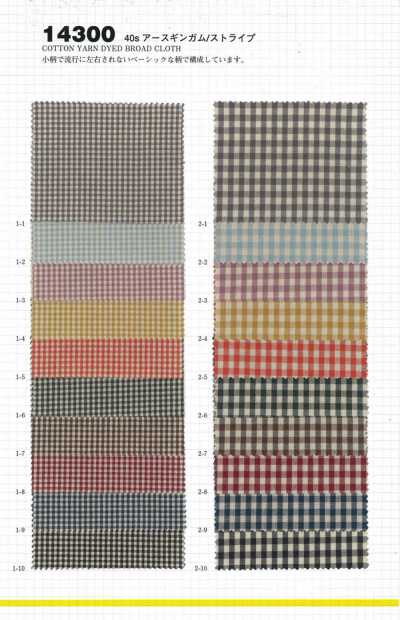
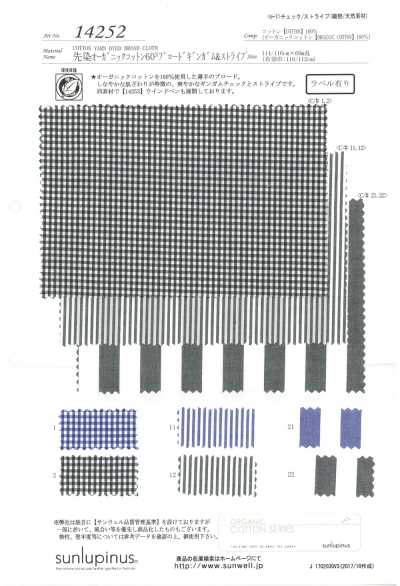
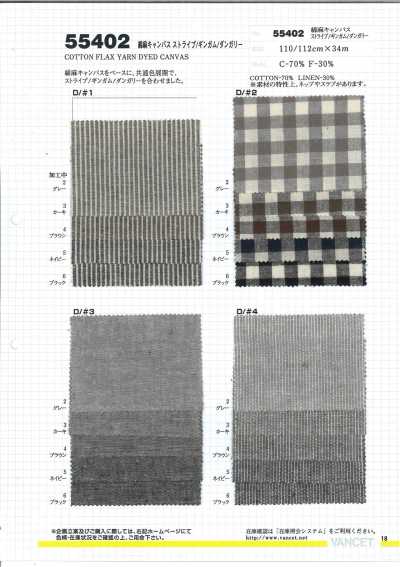
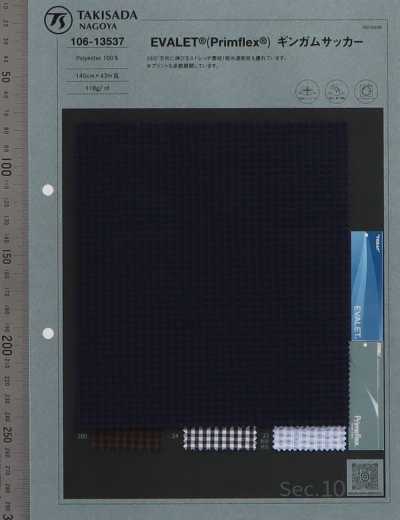
Gingham is generally a plain weave fabric or a check pattern created by weaving colored yarn and white yarn, or similar yarns, in the warp and weft.
Contents6 sections
Definition and Overview
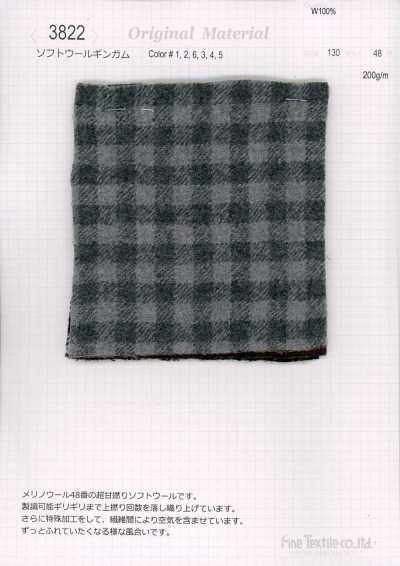
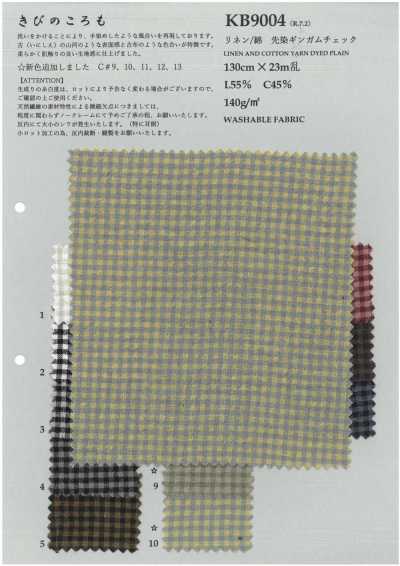
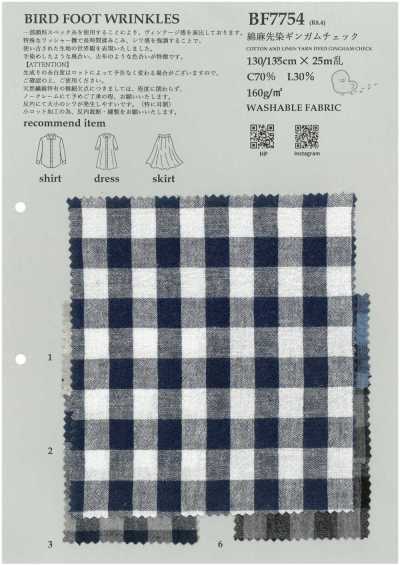
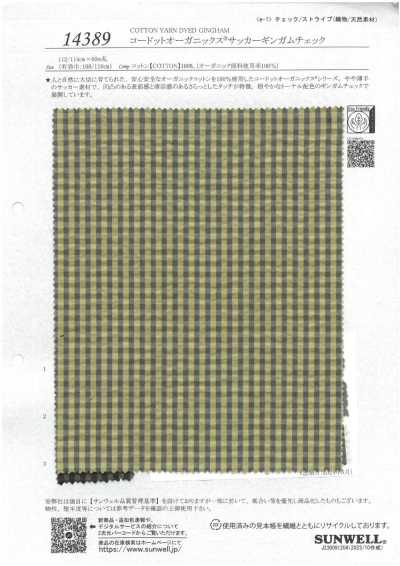
Gingham is a representative name for check patterns. In general, it is woven as plain weave using yarn-dyed colored yarn and white yarn, or yarns of different colors, arranged in the warp and weft to create a well-balanced check pattern. The size of the pattern varies from small checks to large checks.
Cotton is commonly used as the material, but polyester, linen, wool, and others may also be used. For this reason, gingham is not a material name or a weave structure name, but a term that mainly refers to a pattern created by the arrangement of colored yarns, or to the textile with that pattern.
Features
The intersections of white and color may appear like intermediate colors due to the overlapping yarns, creating a check pattern with depth while keeping the number of colors low. Its regular, clean look is used widely, from casual to traditional impressions.
The texture and functionality depend not on the gingham pattern itself, but on the material, yarn thickness, weave density, and finishing. If it is a thin cotton textile, it feels light; if it is linen blend, it has a natural look; and if it is seersucker weave, the uneven surface adds less stickiness against the skin.
Main Applications
It is often used for shirts, blouses, dresses, skirts, children's clothing, aprons, and nightwear. Small checks tend to look delicate and refined, while large checks create a stronger pattern presence, making it an easy accent for design.
In spring and summer, thin and cool-feeling materials are sometimes chosen, while in autumn and winter, gingham made from brushed materials or wool-blend materials may be selected. In addition to clothing, it is also used for bag linings, miscellaneous goods, and fabrics for interiors.
- Fine check patterns for shirts and blouses
- Medium to larger check patterns for dresses and skirts
- A friendly pattern suited to kids' wear and aprons
How to Choose and Handling Notes
Depending on the application, check the size of the checks, color scheme, material, sheerness, and fabric weight. During cutting, it is important to align the pattern direction, and when planning material consumption, consider pattern matching so the checks do not shift on the left and right front pieces, collar, pockets, yoke, and other parts.
Fabrics containing yarn-dyed cotton or linen may shrink or fade after washing. For items with strong contrast between dark colors and white, check color transfer and colorfastness in advance. Before full production, it is reassuring to conduct water soaking and washing tests to confirm shrinkage rate and pattern distortion.
Differences from Similar Terms
Check is a broad term for all check patterns, and gingham is one type of it. Gingham is generally recognized as a relatively simple check composed with similar spacing in both the vertical and horizontal directions. However, usage of the term may vary across the textile industry and retail settings.
Chambray is a woven fabric that uses yarns of different colors in the warp and weft to create a iridescent-like appearance, and it differs from gingham, which is based on a check pattern. Houndstooth and glen check are also check patterns, but their yarn arrangements and pattern structures differ from gingham.
Frequently Asked Questions
Is gingham always made of cotton?
Not necessarily. Cotton is representative, but there are also versions made with polyester, linen, wool, and more. Since gingham is mainly a name for a check pattern, thickness, texture, shrinkage during washing, and care methods differ depending on the material.
Can gingham check be made by printing?
It is possible to express a gingham-like check pattern through printing. However, gingham generally often refers to a pattern created by weaving yarn-dyed yarns separately, and the way colors appear through yarn intersections and the appearance on the reverse side differ from printed textiles.
What should be noted when cutting gingham fabric?
Arrange the checks so the vertical and horizontal lines run straight with respect to the grain, and match the pattern on the left and right front pieces, pockets, and other parts. Depending on the size of the checks, more material than usual may be required, so allow for pattern matching when laying out the pattern.