Plain Weave
Plain weave is the most basic weave structure, in which warp and weft yarns are woven by alternating one over and one under. Depending on the material, yarn thickness, density, and finishing, it can produce a wide range of textiles from lightweight to heavyweight.
Contents6 sections
Definition and Overview
Plain weave is a fabric structure in which the warp and weft threads cross over and under each other one by one in alternation. Because there is little difference in appearance between the front and back, and the interlacing points are arranged evenly, it is generally seen as having a neat, grid-like weave.
Plain weave is the name of a structure and does not indicate the type of fiber or the fabric name. It is woven with cotton, linen, silk, wool, chemical fibers, and more, and its properties change greatly depending on the threads used, density, and finishing.
Features
Because plain weave has many crossing points, the structure tends to be stable, and it is relatively durable and less likely to lose its shape. On the other hand, compared with twill weave using the same threads, the threads bend more against each other, so flexibility may be reduced.
Fabric thickness, firmness, sheerness, and breathability are not determined by plain weave alone. Weaving thin threads at a low density produces a lightweight, more sheer textile, while weaving thick threads at a high density produces a firm textile.
- The weave is relatively uniform and tends to look flat.
- It is sometimes used as a base for patterns and prints.
- The edges are prone to fraying, so care is needed when handling after cutting.
Main Applications
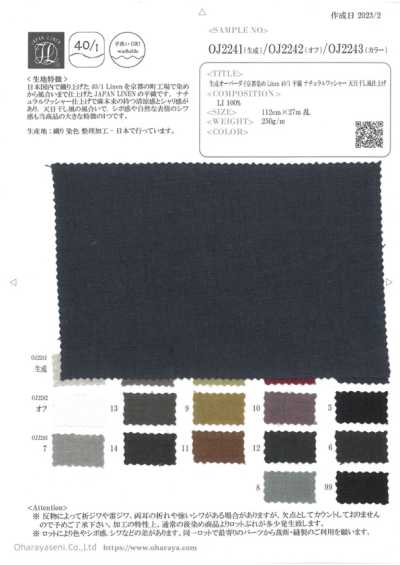
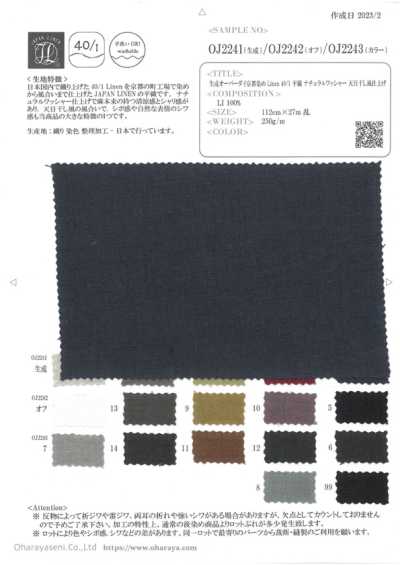
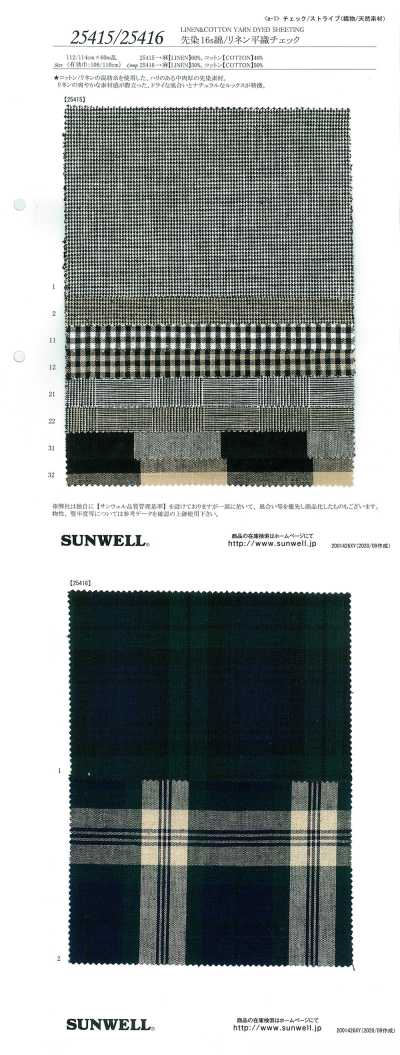
Plain weave textiles are used for shirts, blouses, dresses, skirts, pants, linings, bags, and interior applications. Because they can be designed from lightweight to heavyweight, applications are determined by the combination of material, fabric weight, density, and processing.
Typical plain-weave textiles include lightweight fabrics woven with fine-count threads, shirt fabrics with relatively higher density, and heavyweight fabrics such as canvas woven with coarse-count threads. However, fabric names also have customary usage, so conditions other than the structure must also be checked.
Selection and Handling Notes
When selecting, check not only the composition but also fabric weight, density, fabric width, thickness, sheerness, firmness, and drape on the actual material or a swatch. For clothing, consider both the required strength and softness when worn, as well as compatibility with the sewing specifications.
Plain-woven textiles containing natural fibers may shrink when washed or wet-finished. Also, needle holes may stand out on high-density fabrics, so it is important to test the needle thickness and stitch settings. For fraying at cut edges, apply a finish suited to the application, such as overlocking or flat-felled seams.
Differences from Similar Terms
Twill weave is a structure in which the float positions of the warp and weft are offset to create diagonal ribs, and its weave pattern looks different from plain weave. Satin weave is a structure with longer thread floats and a smooth luster. These are all classified as basic fabric structures.
Broadcloth, lawn, voile, sheeting, and canvas are fabric types or customary names. Many are made in plain weave, but the name alone does not allow a uniform judgment of thread use, density, or finishing.
Frequently Asked Questions
How is plain weave different from twill weave?
Plain weave interlaces the warp and weft one by one in alternation, so the weave tends to look grid-like. Twill weave is woven by shifting the interlacing points of the threads, creating diagonal ribs on the surface. Even with the same material, plain weave tends to feel more stable, while twill weave tends to have more flexibility.
Are all plain-weave textiles durable?
Plain weave has the characteristic of being structurally stable, but durability is not determined by the structure alone. Strength and durability vary depending on thread type and thickness, density, fabric weight, and finishing. Thin, low-density plain weave can also be delicate, so choose after checking the physical properties required for the application.