Mohair
Mohair is an animal fiber made from Angora goat wool, and it has luster, resilience, and a smooth feel, and is used for woven fabrics and knits.
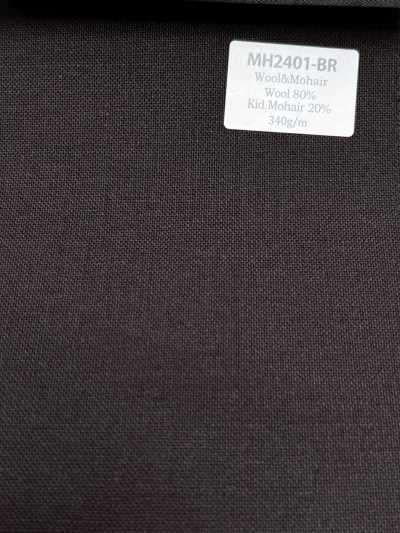
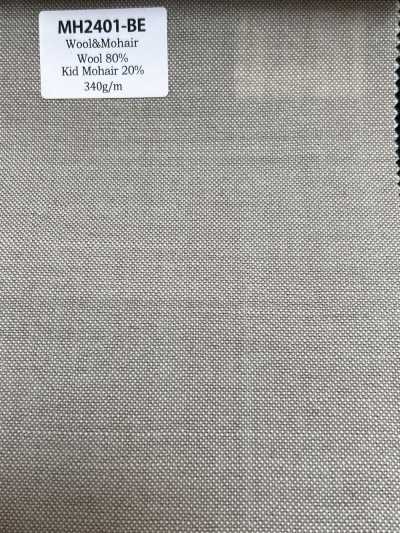
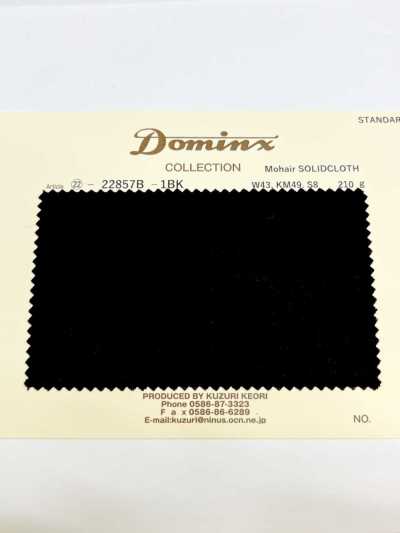
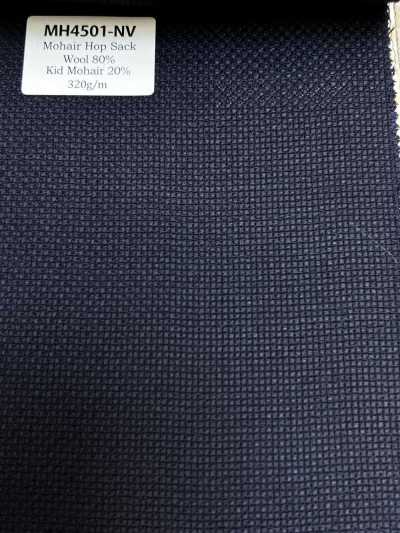
Contents6 sections
Definition and Overview
Mohair is an animal fiber collected from Angora goats. It is a different material from wool, and is characterized by a hairy appearance, natural luster that reflects light, and a resilient hand. It is used on its own, as well as blended with wool and other fibers.
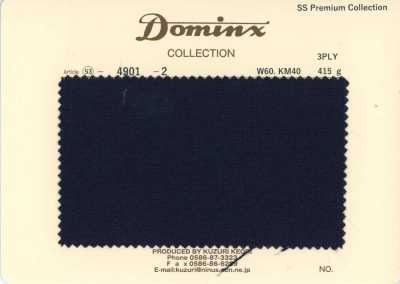
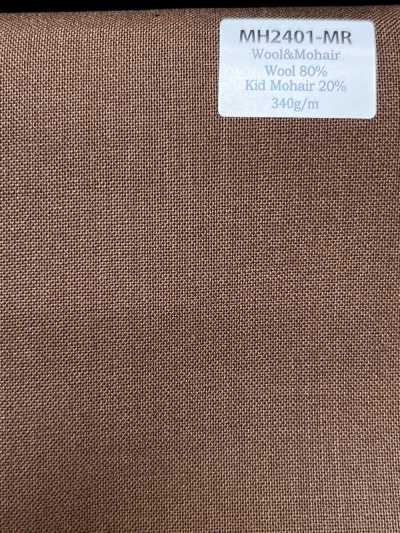
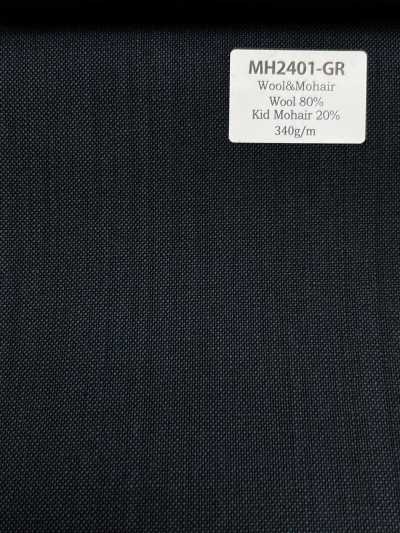
Mohair-blend textiles used for suiting and similar items generally create a firm, cool touch, and knit fabrics that make use of the nap produce a light, glamorous look. Properties vary greatly depending on yarn thickness, blend ratio, construction, and whether it is brushed.
Features
Mohair has a relatively smooth fiber surface and is a material that easily delivers luster and vivid color. It is resilient, allowing woven fabrics to achieve a crisp structure that looks good when tailored, and knit fabrics to express a light, airy loft.
On the other hand, depending on the product design, fuzz may shed or the nap may become disturbed by friction. In particular, materials with a pronounced pile require attention to fuzz transfer to other garments and to changes in appearance caused by friction with bags, cuffs, and similar items.
- It has luster and can easily bring depth and brightness to color.
- It has resilience and rebound, and tends to hold its shape well.
- Depending on the blend and the weaving or knitting design, it can express anything from a dry, cool feel to a lofty, hairy texture.
Main Applications
Woven fabrics that make use of firmness and luster are used for jackets, suits, pants, coats, and more. Relatively lightweight mohair-blend woven fabrics with breathability in mind are also suitable for tailored items for spring and summer.
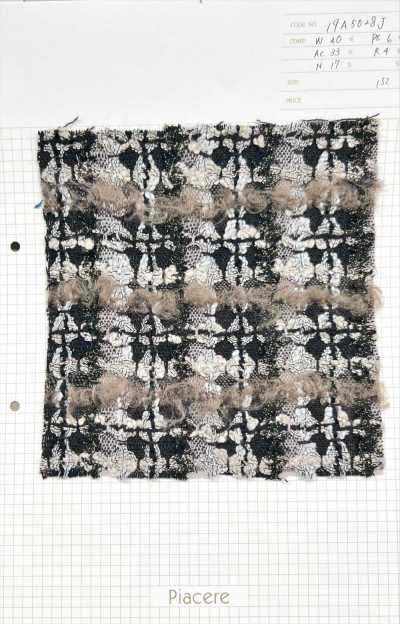
Mohair-blend knits that make use of the pile and loft are used for sweaters, cardigans, vests, scarves, and more. Because warmth and sheerness differ depending on the blended materials and stitch density, the wearing season should be judged together with the fabric or knit specification.
Selection and Handling Notes
Depending on the application, check not only the blend ratio but also fabric weight, density, pile length, construction, and finish. A crisp woven fabric is suitable for neat jackets and suits, while a knit that makes use of pile and lightness is suitable for soft knits. It is important to check luster, sheerness, fuzz shedding, and surface changes after friction using samples.
Washing methods differ depending on the blended materials and product specifications, so follow the care label. Because shrinkage or changes in hand may occur with water washing, confirm whether home laundering is possible through prior testing. In sewing, materials with a pile can easily cause seams to disappear into the surface, so also take care with cutting waste and fuzz adhesion.
- Before mass production, check dimensional changes and appearance changes after washing.
- For materials with a pile, conduct friction tests and check fuzz transfer.
- When ironing, use a pressing cloth and adjust temperature and pressure so as not to crush the pile.
Differences from Similar Terms
Wool is a general term mainly referring to sheep wool, while mohair refers to the wool of Angora goats. Compared with wool, mohair is generally used for expressions that make use of luster and rebound, but the actual hand varies depending on the blend ratio and processing.
Cashmere is the wool of cashmere goats and is characterized by a fine, soft, smooth feel. Unlike cashmere, mohair is a material characterized by greater luster, firmness, and a hairy appearance. In addition, "mohair" in hook and loop fasteners may refer to the loop side, and it is treated separately from mohair as a textile material.
Frequently Asked Questions
Can mohair be used for summer suiting?
Yes. Lightweight mohair-blend woven fabrics are used for spring and summer suiting, taking advantage of their firmness and dry touch. However, coolness is not determined only by the mohair blend ratio; fabric weight, density, weave construction, and lining specifications must also be checked.
Are mohair and angora the same material?
No, they are not the same. Mohair is the wool of Angora goats, while angora generally refers to rabbit fur. Although the names are similar, the animals used as the raw material are different, and there are also differences in fiber fineness, pile, and hand.
Can mohair-blend materials be washed at home?
Whether home laundering is possible depends on the mohair blend ratio, the other blended fiber, the structure of the knit or woven fabric, and the finish. Since water washing can cause shrinkage, fuzzing, and hardening due to felting, always check the product care label.