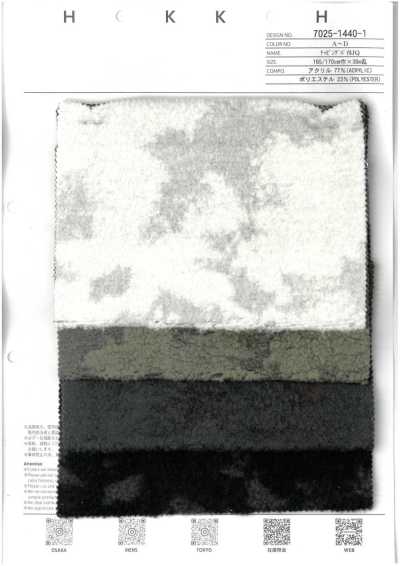
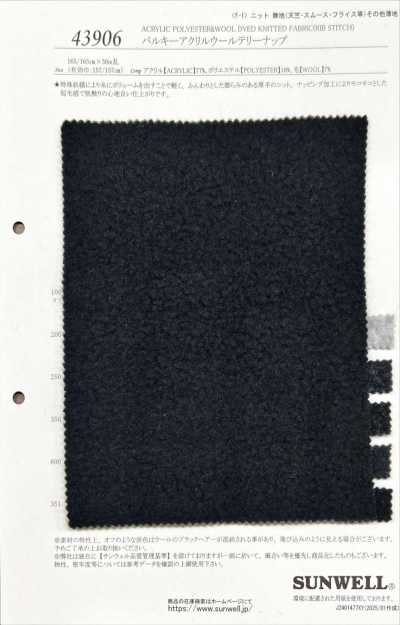
Nap
Nap refers to the state in which the surface fibers of a textile, such as those created by brushing or pile, lie in a certain direction, and to that direction; it is a property of a textile in which the depth of color, luster, and hand change depending on the viewing or touching direction.
Contents6 sections
Definition and Overview
Nap refers to the direction in which the fibers lie on the surface of a textile with brushed, pile, or fuzzed fibers. When viewed or touched along the nap and against it, the reflection of light differs, so even the same textile can appear lighter or darker and more or less lustrous.
In cutting and sewing, it is important to align the nap direction of each part. If directions are mixed, the pieces may look like different shades. Nap is not the weave structure itself, but a term for the condition and direction of the textile surface.
Appearance and Hand Feel
On textiles with nap, smoothness and resistance change depending on the direction in which they are brushed. In general, touching along the nap feels smoother, while brushing against it raises the fibers and gives a slightly stronger hand and deeper color tone.
This direction difference is especially noticeable in textiles with relatively long pile or lustrous pile fabrics. Because the appearance also changes with the angle of lighting, fabric swatches should be checked not only in one direction but also with different directions and angles.
- With-the-nap generally refers to the direction along the nap.
- Against-the-nap generally refers to the direction opposite the nap.
- The terms used for with-the-nap and against-the-nap, and the direction adopted, may vary depending on the textile and product category.
Main Applications
Typical examples that require attention to nap include velvet, rib velvet, corduroy, velour, boa fleece, faux fur, and brushed wool. They are used not only for autumn and winter coats, jackets, dresses, and pants, but also for stage costumes, dresses, and interior applications.
Differences in nap are especially noticeable on garments with large pattern pieces or in situations exposed to lighting. Keeping the direction consistent across the entire product, including small parts such as collars, pockets, facings, and belts, contributes to appearance quality.
Cutting and Sewing Precautions
With ordinary textiles, nested cutting may help reduce fabric consumption, but for textiles with nap, one-way cutting with all parts laid in the same direction is standard. For this reason, the required fabric length must be considered during the planning stage.
Before cutting, align the textile in one direction and clearly mark the face, back, and nap direction. If the textile tends to shift during cutting, reduce the number of layers and work while checking for pile flattening due to pressure and irregularity at the cut edges.
During sewing, watch for feed-related shifting, pile getting caught in seam allowances, and pile crushing from pressing. It is necessary to consider processes suited to the textile, such as grooming the pile from the seam line with a point tool and using a pressing cloth or floating iron.
Washing and Storage Precautions
Changes in nap vary depending on fiber type, pile length, finishing, and washing method. If the pile lies down or becomes rough from washing or friction, areas may appear whitish or uneven in color. Always check the washing instructions and test results for the textile or product.
If shrinkage occurs in a textile with nap, changes in the nap and surface feel may occur in addition to dimensional change. Before mass production, it is important to carry out washing tests and confirm not only shrinkage rate but also pile flattening, changes in luster, and appearance changes caused by friction.
During storage, take care to prevent strong pressure or creases from crushing the nap. Choose hanger storage or a folding method that is less likely to disturb the nap according to the textile characteristics, and remove moisture and dirt before long-term storage.
Frequently Asked Questions
Why do textiles with nap need the cutting direction to be aligned?
Because parts with different nap directions reflect light differently and the pile lies differently, making the same color look like it has differences in shade. The direction should be unified not only for the front body, back body, and sleeves, but also for collars and pockets, and it should be stated clearly in the cutting instructions.
How are nap and brushed fabric different?
Brushing refers to a process that raises fuzz by pulling out fibers on the textile surface, or to the resulting condition. Nap is the direction in which the surface fibers created by brushing or pile lie down. A brushed textile may show nap, but the two are not the same thing.
Do textiles with nap shrink easily when washed?
Whether a textile shrinks easily cannot be determined by the presence or absence of nap alone. Shrinkage depends on the material, structure, finishing, and washing conditions. However, because washing and friction can cause the pile to lie down or the hand to change, washing tests should be performed in advance, including not only dimensions but also appearance.