Brushed
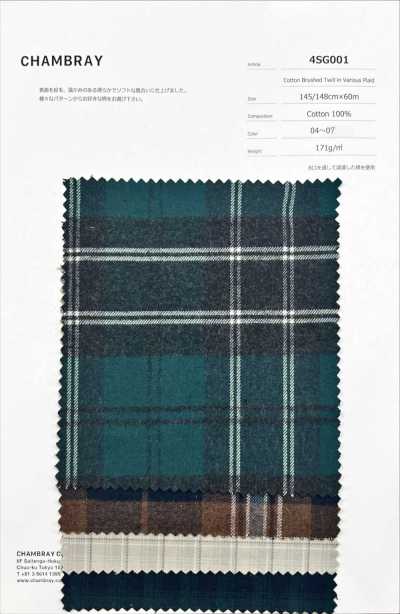
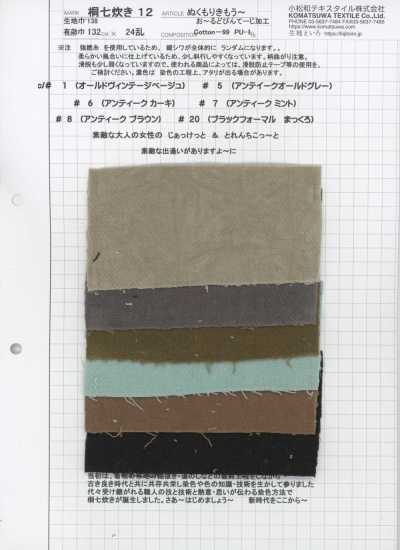
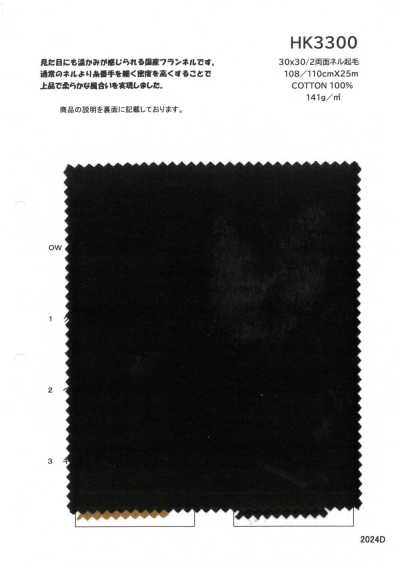
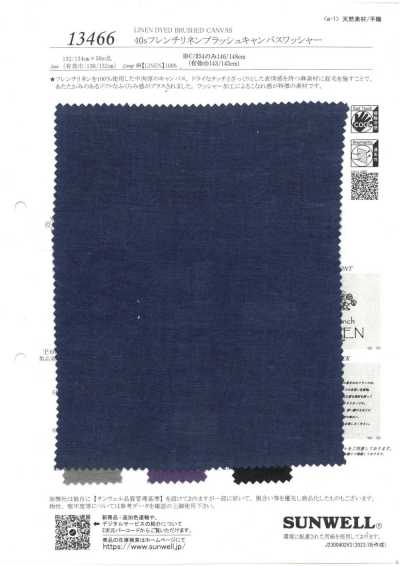
Brushing is a finishing process that raises fibers on the surface or reverse side of a textile using needles or brushes to create a nap, giving it a soft hand, warmth, and texture.
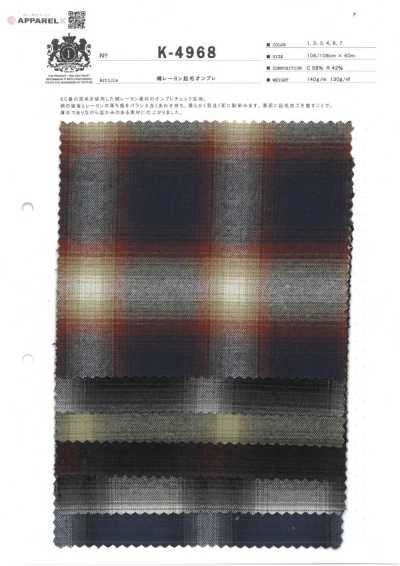
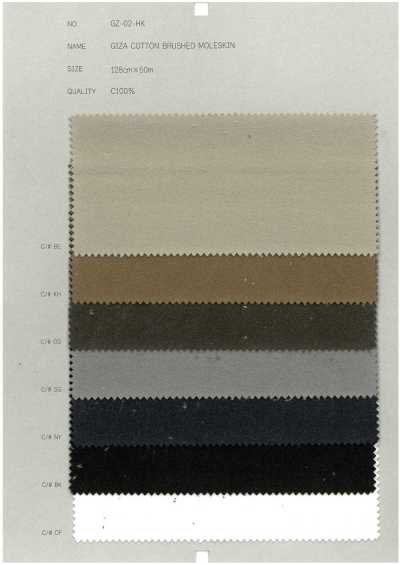
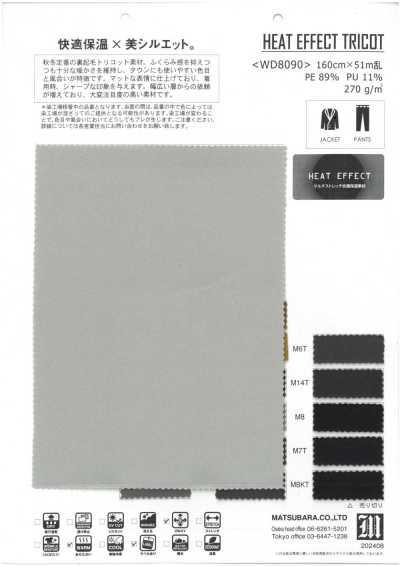
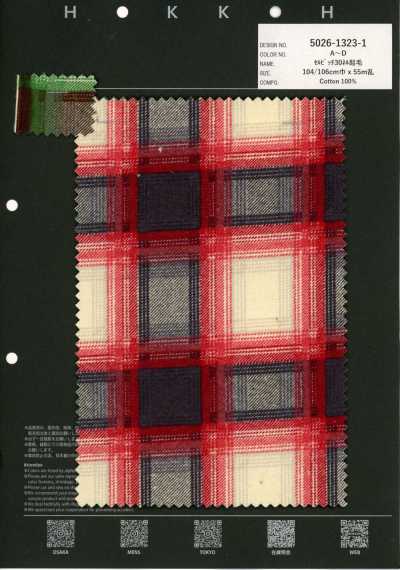
Contents6 sections
Definition and Overview
Brushing is a finishing process in which the surface or reverse side of woven or knitted fabric is mechanically combed to draw out fiber ends and raise the nap. It refers not to the name of the material itself or the name of the weave or knit structure, but to a process that adds texture and function to the textile.
The length and density of the nap, and the side to be processed, vary depending on the fabric design and intended applications. There are a wide range of effects, from lightly evening the surface to making the pile more prominent to create thickness and warmth, so even brushed fabrics can differ greatly in appearance and feel.
Features
A brushed surface tends to trap air and can reduce the coldness felt against the skin, so it generally has a warm, cozy texture. It also diffuses light, reducing sheen and creating a matte, soft appearance.
On the other hand, the nap can flatten or become uneven under friction, and its appearance may change through wear or washing. Since fibers may shed and stick to other garments, or pilling may occur in areas subjected to friction, evaluation according to the material and degree of processing is necessary.
- Face-brushed fabric is a finish that makes it easy to bring out a soft appearance and hand feel.
- Reverse-brushed fabric is a finish often used to increase warmth on the skin side.
- The shade and appearance may change depending on the direction of the brushing.
Main Applications
It is used for autumn and winter shirts, pants, jackets, coats, cut-and-sew items, sweatshirts, and more. It is found in woven and knitted fabrics containing fibers suitable for brushing, such as cotton, wool, and polyester, and applications vary depending on the material composition and fabric thickness.
It is used not only for warmth but also for garments that call for an elegant suede-like look or a smooth touch. Fabrics brushed only on the reverse side are characterized by maintaining a relatively clean appearance on the face while easily providing warmth when worn.
Selection and Care Notes
Depending on the intended use, check whether the brushed side is the face or reverse, the length and density of the nap, the direction of the pile, and resistance to friction. Before cutting, align the fabric in one direction so that color differences caused by the pile are not noticeable within the product. If parts are cut with mixed directions, the same fabric may appear to have different light and dark tones.
During sewing, the fabric may not feed smoothly because of the nap, or joined sections may become thick. Please make samples to check feeding, needle, thread tension, and how the seam allowance sits. For washing, follow the care label on the product; measures such as turning the item inside out to reduce friction and avoiding contact with other garments are effective.
Differences from Similar Terms
Reverse-brushed fabric refers mainly to a knit fabric that has been brushed on the reverse side. While brushing refers to the finishing process in general, reverse-brushed is a term that limits the location of the process. It is selected when you want to maintain the face appearance while giving warmth to the skin side.
Flannel, melton, and fleece are used as names that include the fabric type or finish. Many of these are brushed, but not all brushed fabrics are flannel or fleece. Pile is a structure with looped yarns on the surface, and its formation differs from brushing, which draws out fibers.
Frequently Asked Questions
Does brushed fabric lose its nap when washed?
Depending on the degree of brushing, the type of fiber, and the washing method, loose fibers may appear during the first washes, or the nap may seem to flatten after repeated friction. It is difficult to completely prevent change, so it is important to follow the care label, wash the item inside out, use a laundry net, and avoid strong friction.
What should be noted when cutting brushed fabric?
Because the appearance of face-brushed fabric changes with the direction of the pile, the basic rule is to place and cut all parts in the same direction. If nested cutting is used, the light and dark appearance of each part may differ after completion. Before cutting, check the pile direction and choose a marking method suitable for the fabric.