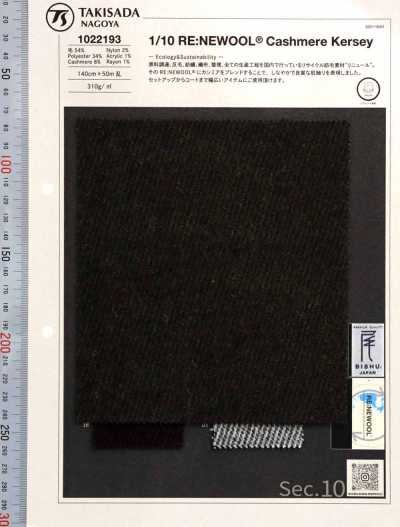
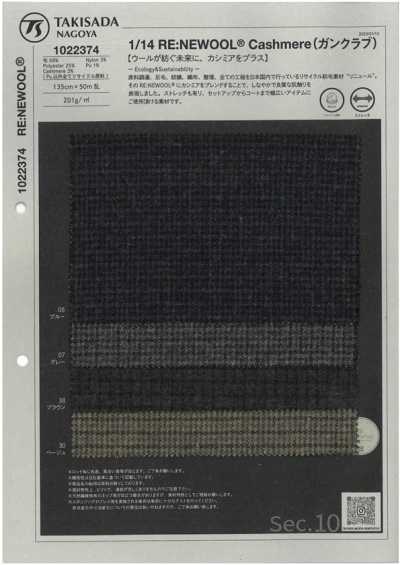
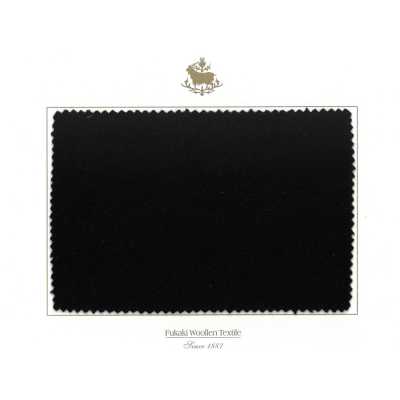
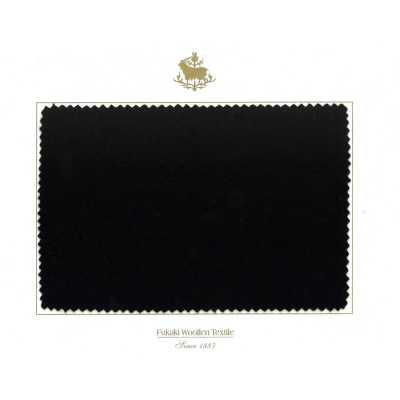
Cashmere
Cashmere is an animal fiber made from the fine, soft wool of cashmere goats, and is a material characterized by its supple texture and warmth.
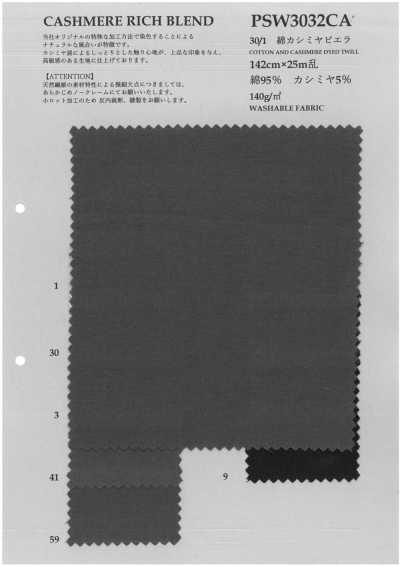
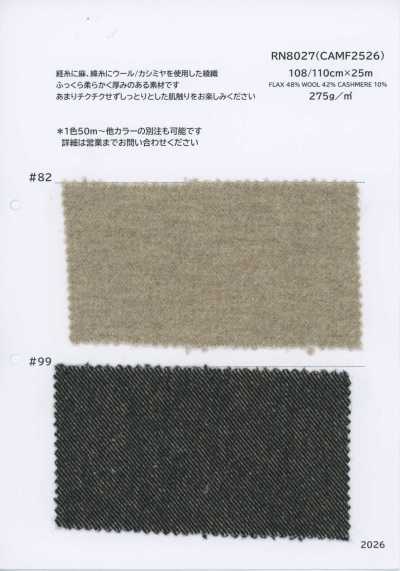
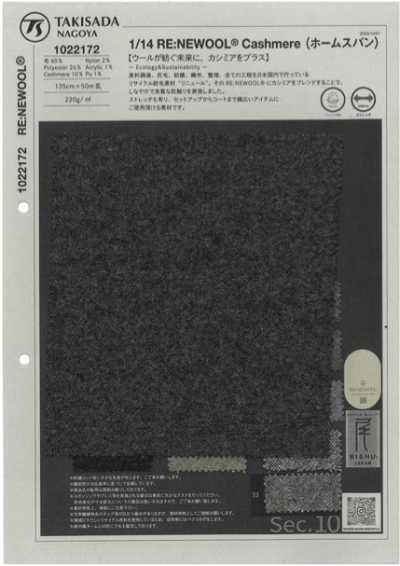
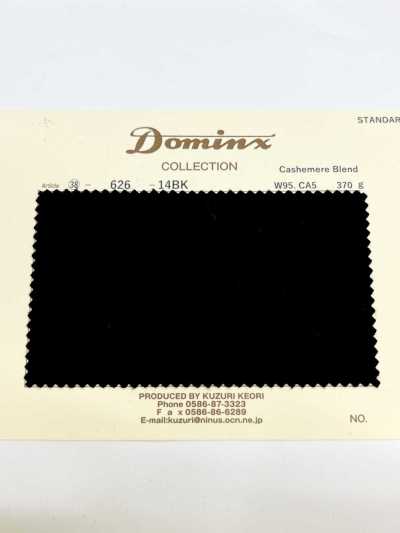
Contents6 sections
Definition and Overview
Cashmere is an animal fiber made from wool taken from cashmere goats. It is mainly made from the soft undercoat, and when turned into yarn or textile, it is a material that readily provides a smooth touch and a light wearing feel.
In addition to being used on its own, it is also blended with wool, silk, cotton, chemical fibers, and others. Depending on the blend ratio, yarn thickness, knitting or weaving method, and finishing process, the thickness, surface texture, durability, and price range vary greatly.
Features
Cashmere fibers are fine, soft, and easily plump up, so they feel gentle against the skin and may have an elegant sheen. They tend to trap air, making it easy to achieve warmth even with a relatively light finish.
On the other hand, friction can cause fuzz and pilling. It may also shrink or felt due to moisture, heat, or rubbing, so care is needed to avoid strong daily friction and excessive washing.
- It easily produces a soft, supple texture.
- It is a material that makes it easy to balance lightness and warmth.
- Fuzz and pilling may occur.
- In blends, other fibers may be used to supplement strength and ease of handling.
Main Applications
Cashmere is often used in knit products such as sweaters, cardigans, and knitted dresses. It is also suitable for fashion accessories for fall and winter, such as scarves, shawls, gloves, and hats.
In woven fabrics, it is used for coats, jackets, suit fabrics, and trouser fabrics. In wool blends and brushed finishes, it is used as an outer fabric for fall and winter that makes use of its warm appearance.
Selection and Handling Notes
When choosing textile or yarn, check not only the cashmere blend ratio but also the blend partner, fabric weight, structure, and surface brushing. For garments, it is important to assume the strength, shape stability, and feel against the skin required for the application, and to check the texture and behavior after sewing with samples.
During sewing, avoid pressing the fuzzy surface too hard, and test the iron temperature and steam amount using a pressing cloth. Follow the care label for the product and handle it with reduced friction. After washing, shaping it and drying it flat makes it easier to prevent stretching and loss of shape.
Differences from Similar Terms
While wool generally refers to sheep's wool, cashmere is wool from cashmere goats. Both are animal fibers, but the source animal differs, and cashmere is especially valued for its fine, soft texture.
Mohair is the wool of Angora goats and is a different fiber from cashmere. Mohair often makes use of its sheen, resilience, and long pile appearance, and differs from cashmere in appearance, feel, and product design objectives.
Frequently Asked Questions
Can cashmere be washed at home?
Whether it can be washed depends on the blend ratio, knit or woven structure, finish, and accessories. Be sure to check the product's care label. Even if the label allows water washing, shrinkage or felting may occur due to friction or temperature changes, so it is important to handle it gently and for a short time.
What should I do if cashmere pills?
Pills tend to form from friction during wear, and it is difficult to prevent them completely. Do not pull them out forcibly; instead, smooth the surface with a clothing brush or remove them little by little with a pill remover or small scissors without damaging the textile. Avoid wearing the same area repeatedly as well.
What should I check in a cashmere-wool blend textile?
A cashmere blend textile combines the softness of cashmere with the properties of wool. Do not judge it by the blend ratio alone; check the fabric weight, structure, degree of brushing, how pilling appears, and dimensional changes after washing and steaming to determine the durability and texture needed for the application.