Tweed
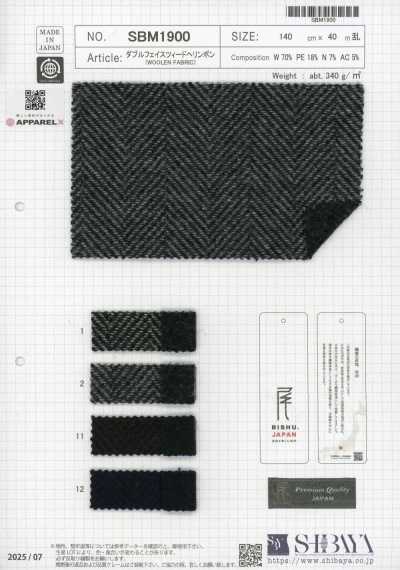
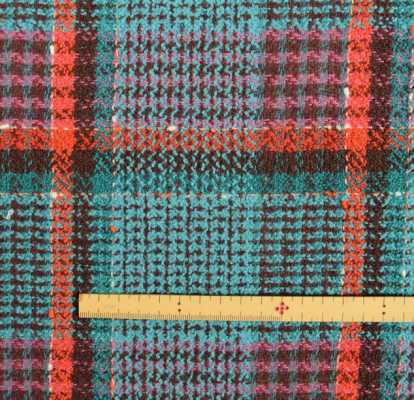
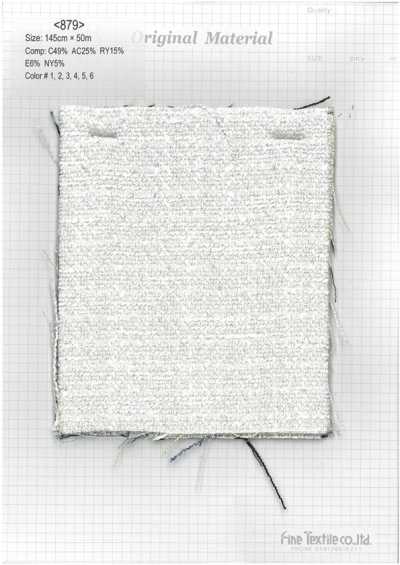
Tweed is a general term for woven fabrics with a rustic look and moderate thickness, mainly woven using woolen yarns and similar materials. It is characterized by a rich surface texture created by neps, colored yarns, and woven patterns, and is used mainly for autumn and winter items.
![68500 1/10 Tweed Check [Made With Recycled Wool Yarn]](/img/item/thumb/OKURA/1087557_t2.jpg)
Contents6 sections
Definition and Overview
Tweed is a textile generally woven from wool as the main raw material, using spun yarns with variations in thickness and color. Its weave structure is not limited to one type, and it can show a variety of appearances such as herringbone, checks, and heathered effects.
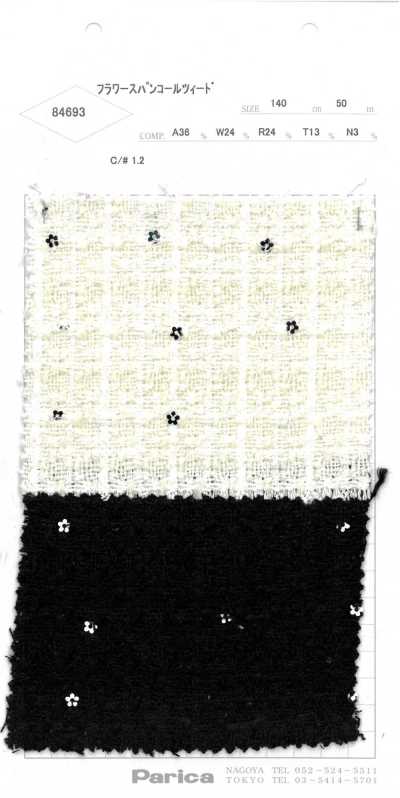
Traditionally, it refers to coarse, practical wool fabrics, but today fancy tweeds with surface interest created by neps, loops, and decorative yarns, as well as lightweight tweeds for spring and summer, are also available.
Features
The heathered look created by blending fibers of different colors, the nep knots in the yarn, and the uneven woven surface give tweed its characteristic depth. Depending on the material and finish, its texture ranges from heavy and warm to bright and light.
Wool-based versions readily trap air and can be expected to provide relatively good insulation. On the other hand, depending on weave density and yarn usage, they can become thick and heavy, so care is needed to avoid surface fuzzing and pilling caused by friction.
- Looks such as neps or uneven weaving may be intentionally designed as part of the aesthetic.
- By combining yarn-dyed colored yarns or yarns of different materials, complex color tones can be expressed.
- Those blended with polyester may be adjusted for strength, lightness, and ease of handling.
Main Applications
Thicker, classic tweeds are used for jackets, coats, vests, skirts, pants, and other autumn and winter outerwear and tailored items. They make simple shapes stand out easily by taking advantage of their pattern and texture.
Fancy tweed is also used for jackets, dresses, and coordinated sets, as well as bags and accessories. Relatively thin and light summer tweed is suitable for spring and summer jackets and skirts.
Selection and Handling Notes
Select according to the intended use by checking fabric weight, thickness, firmness, drape, and stretch. For jackets and coats, choose a fabric with a moderate thickness and resilience that tailors well; for skirts and dresses, also consider skin feel and drape.
Before cutting, check the grain and direction of the pattern, and for checks or herringbone, consider pattern matching across the left and right body panels, pockets, and collar. For fabrics that fray easily or contain loop yarns, it is reassuring to test in advance how to finish seam allowances and whether needle and thread will cause yarn pulls.
Wool-based tweeds may shrink, felt, or lose shape when washed. Whether home washing is possible depends on the blend ratio and processing, so follow the care label. During storage, avoid friction and insect damage, and take mothproof measures as needed.
Differences from Similar Terms
Tweed is not a term for a specific weave structure alone; it is a general term for fabrics characterized mainly by yarn usage and surface appearance. Twill is the name of a weave structure, and although tweed may use twill, the two are not the same category.
Flannel is generally a fabric characterized by a soft surface created by brushing. Melton is a thick fabric made by fulling to tightly entangle the fibers and finish the surface smoothly. Tweed tends to show the character of the yarn and weave more than these fabrics.
Frequently Asked Questions
Is tweed always 100% wool?
Are neps in tweed a fabric defect?
Neps are thick, knot-like sections in the yarn, and in tweed they may be used intentionally as part of the appearance. However, they should be distinguished from noticeable yarn breaks, weaving flaws, and stains. Before mass production, check the actual fabric and share acceptable appearance standards among the parties involved.
What should you be careful about when sewing tweed?
For patterned fabrics, plan pattern matching before cutting, and for thick fabrics, avoid making seam allowances too bulky where they overlap. If the surface has loops or fuzz, needle holes, presser-foot marks, and yarn pulls may stand out. Before the main sewing process, check interfacing, needle, sewing thread, and pressing conditions with scrap pieces.
![68225Z 1/10 Nep Tweed (2) [Made With Recycled Wool Yarn]](/img/item/thumb/OKURA/1073681_t2.jpg)