Wool
Wool is an animal fiber made primarily from sheep's wool, with excellent warmth retention, moisture absorption and release, and elasticity, and it is widely used from woven and knit garments to fashion accessories.
Contents6 sections
Definition and Overview
Wool is a natural animal fiber made by spinning sheep's wool. Because of its scaly fiber surface structure and crimp, it easily traps air, and in apparel its appearance and performance change greatly depending on yarn thickness, wool length, spinning method, and the weave or knit structure.
When the material label says "wool," it generally refers to wool. However, animal hair fibers also include cashmere and mohair, and these may be handled separately from wool as fibers obtained from animals other than sheep.
Characteristics
Wool traps air between its fibers, so it provides excellent warmth. It also readily absorbs and releases moisture, making it less likely to feel stuffy. It has resilience and tends to recover from wrinkles easily, but this varies depending on material design and finishing.
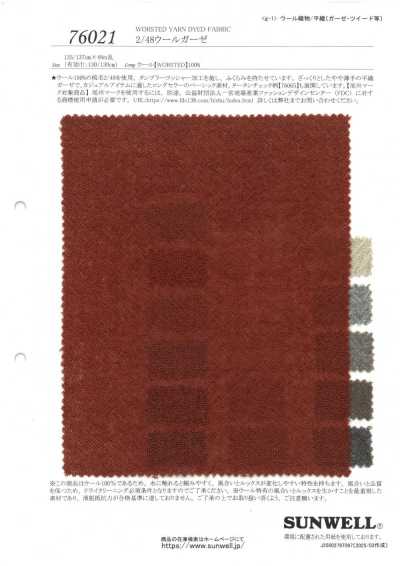
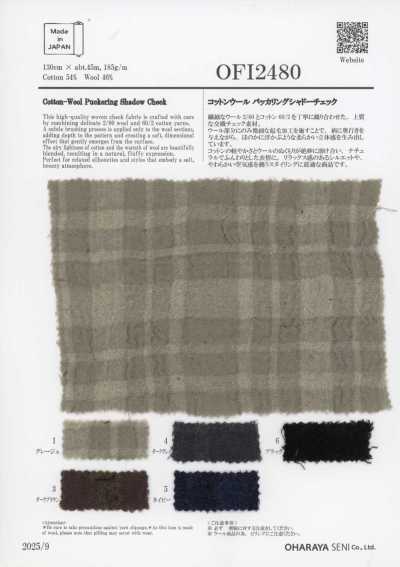
Its surface ranges from smooth worsted-like types to fuller woolen-like types and brushed, soft types. On the other hand, it can develop fuzz, pilling, shrinkage, or felting when wet due to friction, so selecting the appropriate blend and processing for the intended use is important.
- Warmth: It easily traps air and is used in materials for fall and winter.
- Moisture absorption and release: It has the property of helping regulate moisture inside clothing.
- Elasticity: It has recovery properties and is also used for three-dimensional silhouettes.
- Flame resistance: It is not easily melted, but product performance should be checked including blend ratio and processing.
Main Applications
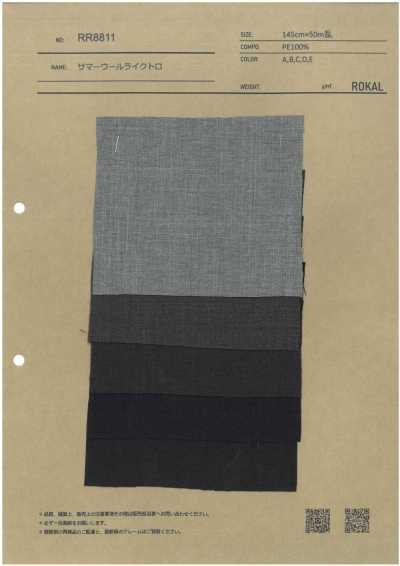
In addition to woven products such as suits, jackets, coats, pants, skirts, and dresses, it is also used in knit products such as sweaters, cardigans, and cut-and-sew items. Materials designed with lightweight yarn and structure are also used for spring and summer clothing.
Thick, brushed textiles are suitable for coats and cold-weather clothing, while supple textiles with a neat surface are suitable for suits and formal wear. It is also used for fashion accessories and interior applications such as scarves, hats, gloves, and blankets, taking advantage of its warmth and soft texture.
How to Choose and Points to Note
When selecting, check not only the blend ratio but also fabric weight, thickness, density, weave or knit structure, and whether it is brushed. Even with the same wool, textiles made with worsted yarn tend to have a cleaner appearance, while textiles made with woolen yarn tend to have more fullness and warmth.
Always follow the care instructions on the product label for washing and ironing. Because washing in water can cause shrinkage or changes in texture, it is important to carry out tests or sample washing in advance. In sewing, for materials that stretch easily or have thickness, consider the sewing conditions including interfacing and seam allowance specifications.
- Because shrinkage rate can also vary by lot and finish, check it before cutting.
- For areas subject to friction, evaluate pilling and fuzzing.
- When ironing, use a pressing cloth and avoid shine or fading caused by pressing too hard.
- Even if shrink-resistant processing has been applied, changes can occur depending on washing conditions, so check the label.
Differences from Similar Terms
Cashmere, mohair, and alpaca are animal hair fibers collected from animals other than sheep. They are sometimes called wool in a broad sense, but in apparel material labeling and textile selection, they are treated separately because the source animal and fiber characteristics differ.
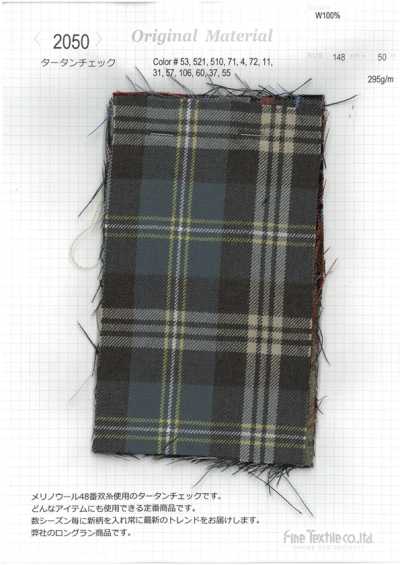
Tweed, flannel, and melton are textile names often made primarily from wool. Wool, on the other hand, is the name of the raw material fiber. In addition, wool blends mixed with polyester and other fibers are used for the purpose of improving durability and ease of handling.
Frequently Asked Questions
Is wool only a material for winter?
Wool is known for its warmth, but textiles made with fine yarn and designed with a thin, breathable structure are also used for spring and summer clothing. Seasonal suitability should be judged not only by the raw material but also by fabric weight, structure, finishing, and whether or not there is a lining.
Should I choose 100% wool or a wool blend?
Choose according to the desired texture, washing method, durability, cost, and intended use. 100% wool makes it easier to take advantage of the material's natural fullness and moisture absorption and release, while blended products may be adjusted for strength, lightness, stretch, and ease of care.
Why does wool fabric shrink?
Wool can become entangled and shrink through felting due to the effects of moisture, heat, and friction. Regardless of whether shrink-resistant processing has been applied, follow washing conditions suitable for the product label, and before mass production confirm dimensional changes through a washing test.
- Browse Wool products
- Products with material "Wool"
- Products for style "Warm Materials"
- Products for style "For Knits/cut-and-sewn Garments"
- Products for style "For Outerwear/blousons/coats"
- Products for style "For Pants"
- Products for style "For Skirts And Dresses"
- Products for style "For Jackets/Suits"
- Browse Textile products