Leather Button
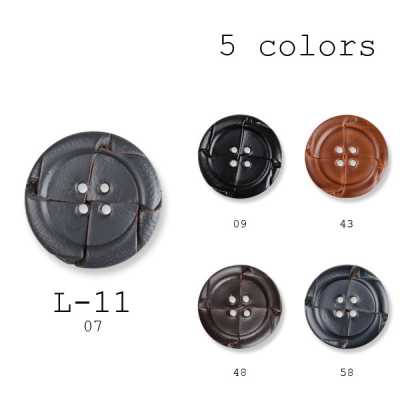
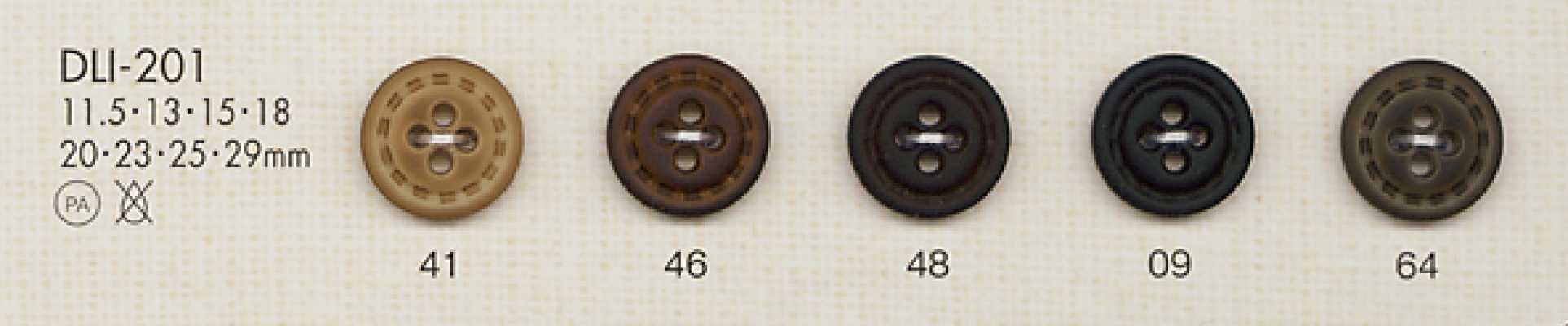
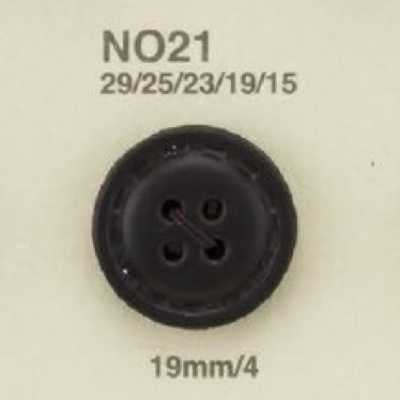
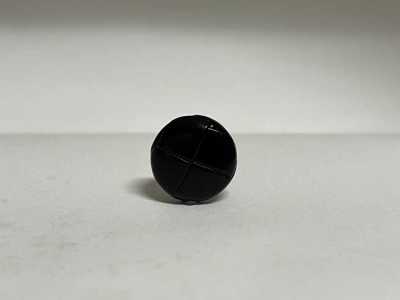
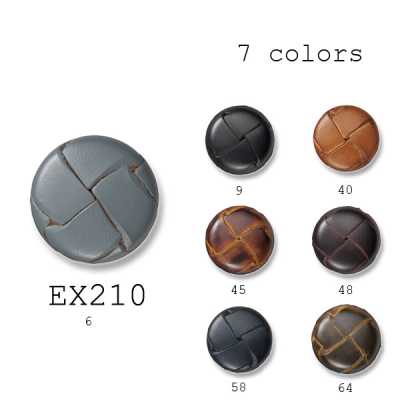
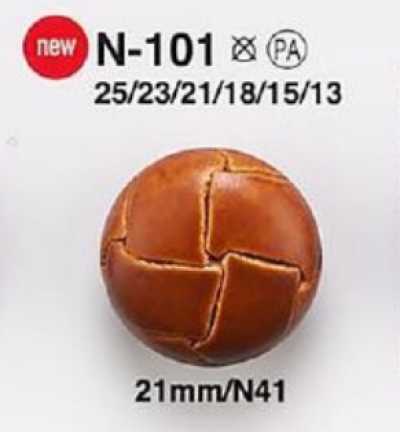
Leather buttons are buttons that use genuine leather on the surface or as the main body, making use of leather's characteristic color variation and texture; they are apparel findings mainly used on jackets, coats, bags, and similar items.
Contents6 sections
Definition and Overview
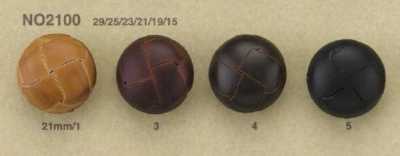
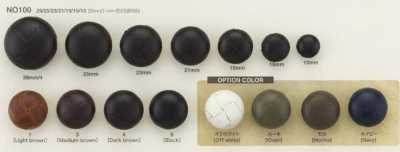
Leather buttons are a general term for buttons made from natural leather. In addition to those formed from leather as the main body, there are also those in which the surface of the core material is wrapped with leather. Depending on the part used, tanning, and dyeing, differences in color tone and wrinkle appearance may occur even within the same product number.
They are also called genuine leather buttons or leather buttons. Buttons made with synthetic leather may look similar, but they are treated separately from leather buttons as a material. In specifications, confirming that they are natural leather, and whether only the surface is leather or the core is also leather, helps prevent misunderstandings.
Materials and Construction
Leather buttons include the pierced type, in which thread is passed through from the front, and the shank type, in which thread is attached to a shank on the back. Pierced types often have two holes or four holes, and shank types include ring shanks and tunnel shanks. The shape affects thickness, sewing position, and how much the button stands away from the garment fabric.
Because leather is a natural material with a fiber direction, repeated strong force around the holes may lead to stretching, tearing, or cracking. It is important to check the hole size and number, shank strength, and button thickness, and choose a structure that suits the frequency of use and the fabric thickness.
- Pierced type: two-hole, four-hole, and so on. This specification leaves the sewing thread visible on the surface.
- Shank type: thread is passed through the shank on the back, making it easier to show the decorative surface.
- Leather-covered type: a structure in which leather is covered over a core material; the edge of the leather and the bonded condition need to be checked.
How Size Is Expressed
The size of leather buttons is shown by diameter in mm, and also in lignes. Lignes are a customary unit for buttons; generally, 1 ligne is 0.635 mm. Because the way of indicating size may differ, it is easier to confirm by listing the actual diameter in addition to lignes in purchase orders and specifications.
When selecting, confirm not only the diameter but also the thickness, shank height, and hole diameter. Even with the same diameter, thick buttons or buttons with a high shank affect the amount of buttonhole stitching and the opening width. Before mass production, check compatibility with the buttonhole using the actual fabric and interlining.
Main Uses and Selection
Taking advantage of the calm look of leather, they are used for front openings and cuffs on jackets, coats, blousons, cardigans, and similar items. They are also sometimes used for bag closures and decoration. Matching them with fabrics that have thickness and texture, such as wool, tweed, and denim, makes it easier to balance the overall look.
Depending on the application, consider the load during opening and closing, whether washing will be required, and the thickness of the lining and fabric. For areas subject to strong force, such as the front center, a backing button may be added on the reverse side as needed to distribute stress on the fabric. The required durability also differs between apparel and fashion accessories.
How to Attach and Handling Precautions
For sewing, choose button-sewing thread thick enough to pass through the hole or shank width. If the thread is tightened too much, stress concentrates around the leather holes, so on thicker fabrics, wrap the shank with thread to leave an appropriate gap. For shank types, sew securely up to the base of the shank and check that there is no snagging.
Moisture, sweat, friction, heat, and the like can cause leather to harden, deform, crack, discolor, or transfer color. Suitability for washing or dry cleaning depends on the tanning, dyeing, and button structure. If the product will be washed, confirm appearance and strength through a preliminary test.
When ironing, do not apply high heat or steam directly to leather buttons. During storage, avoid high temperature and humidity and direct sunlight, and do not keep them pressed tightly against other products. If they get wet, absorb the moisture without rubbing, reshape them, and let them dry naturally.
Frequently Asked Questions
Can leather buttons be machine washed at home?
It cannot be judged uniformly. Natural leather may harden, fade, or deform due to moisture, detergents, and friction, and the core material and bonded parts may also be affected. Whether washing is possible should follow the product's care label, and during planning, it should be confirmed by testing under the actual washing conditions.
Should leather button sizes be specified in lignes or mm?
Ligne notation is widely used for buttons, but in specifications and purchase orders, listing mm as well is practical. Generally, 1 ligne is 0.635 mm, and selection accuracy improves when diameter, thickness, and hole diameter or shank height are confirmed in addition to the conversion value.
What is the difference between leather buttons and synthetic leather buttons?
Leather buttons use natural leather, so individual differences appear in wrinkles, color variation, and aging. Synthetic leather buttons, on the other hand, are made with an artificial material on the surface. Because they can be difficult to distinguish by appearance alone, confirm the material indication, suitability for washing or cleaning, and changes over time separately.