Four-hole Button
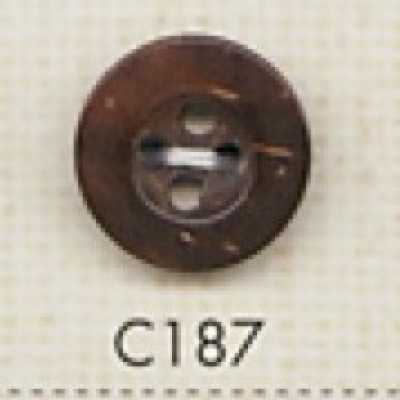
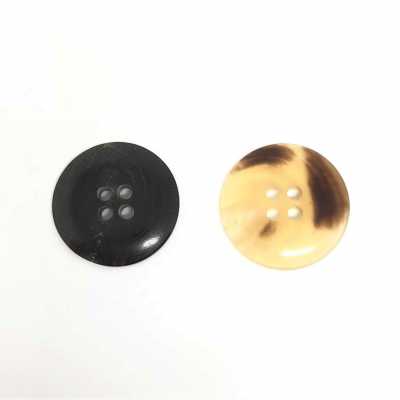
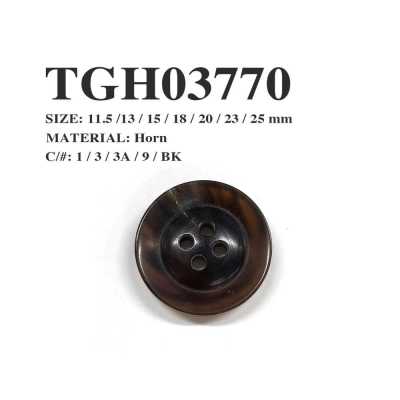
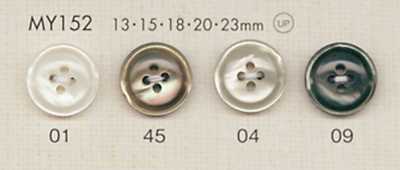
A four-hole button is a flat button with four thread holes on the surface, sewn onto textile with thread. It offers many choices of material, size, and stitching method, and is used in a wide range of garments from shirts to jackets.
![GCOR007 [Buffalo Horn Style] Four-Hole Button](/img/item/thumb/OKURA/1015935_t2.jpg)
![UNICORN778 [Buffalo Horn Style] Four-Hole Button With Rim](/img/item/thumb/OKURA/1088999_t2.jpg)
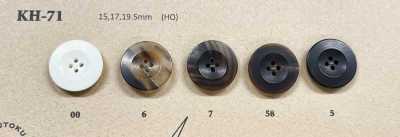
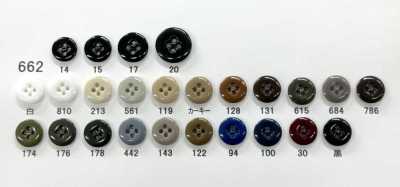
Contents6 sections
Definition and Overview
A four-hole button is a typical button with holes, with four thread holes in the button body. Because sewing thread is passed through the holes and secured to the textile, it basically does not have a back shank like a shank button. With four holes, it is easier to pass thread in multiple directions and keep it stable than with a two-hole button.
The thread routing seen from the front can be designed as parallel, cross, bird's foot, and other patterns. This is a name for the button shape, and it does not specify the material, so it is made from a wide variety of materials, including shell, real buffalo horn, nut, polyester resin, urea resin, and metal.
Materials and Structure
The holes are generally round, but there are also recessed holes designed to hold the thread neatly and types with decorative detailing around the holes. The hole diameter, spacing between holes, and thickness at the hole edges are factors related to the thickness of the thread used, the sewing method, and attachment strength.
The nearly flat shape blends easily with the garment body, but if attached directly to thick fabric, the thickness of the buttonhole may make it harder to fasten and unfasten. In such cases, a thread shank is made under the button with a thread wrap to create appropriate space between the button and the textile.
- Shell, real buffalo horn, nut: because these are natural materials, individual differences may occur in color, pattern, thickness, and other characteristics.
- Polyester resin, urea resin: there are many color and shape options, and they are widely used for apparel.
- Metal, glass: these are hard and decorative, but weight, chipping, and impact resistance must be considered.
How Size Is Expressed
Button size is shown by diameter in mm, and also in lignes. The ligne is a traditional unit of measurement for buttons, and including both mm and ligne notation in specifications, accessory lists, and purchase orders helps reduce misunderstandings.
When selecting, check not only the diameter but also the thickness, hole diameter, buttonhole length, and the thickness of the textile to be used. The buttonhole should be set according to the button diameter and thickness, and it is important to test fastening and unfastening with the actual item before mass production.
Main Applications
Four-hole buttons are used on shirts, blouses, cardigans, jackets, coats, pants, skirts, dresses, and more. For lightweight apparel, relatively small and light buttons are chosen, while for jackets and outerwear, buttons with thickness and presence that suit the fabric thickness and design are selected.
They are used not only for front openings, but also for cuffs, pockets, collars, waist adjustment sections, and other areas. Depending on the application, in addition to decorative appeal, check durability for repeated opening and closing, washing method, and compatibility with the buttonhole.
How to Attach and Handling Precautions
When attaching a button, use all four holes evenly and keep the thread routing and tightness consistent. If the textile is thin or a strong force is applied to the area, a backing button on the reverse side can help distribute the load. For thick fabrics, make a thread shank to secure space that allows the button to pass through the buttonhole without strain.
Resistance to washing, dry cleaning, and ironing varies depending on the button material and surface treatment. Check not only the care label but also the test conditions for the button as an accessory. Direct exposure to high-temperature irons, strong impact, bleach, and solvents may cause deformation, cracking, discoloration, or changes in gloss.
Frequently Asked Questions
How is a four-hole button different from a two-hole button?
The main difference is the number of thread holes. Four-hole buttons allow choices such as parallel or cross thread routing and are characterized by easier fixation in multiple directions. Two-hole buttons give a cleaner look and are also used for lightweight apparel and smaller sizes. Both are selected according to the material, application, and textile thickness.
What thread is used to attach a four-hole button?
Generally, button-sewing thread or buttonhole twist is used, and the thickness and material are chosen according to the button hole diameter, textile thickness, and required strength. If the thread is too thick for the hole, it may be difficult to pass through; if it is too thin, it may wear more easily. Before mass production, check the attachment strength and appearance with a sewing sample.
Can you press a four-hole button directly with an iron?
Because heat resistance differs by material, direct high-temperature pressing should generally be avoided. In particular, resin buttons, shell buttons, and buttons with surface finishes may deform, discolor, or change sheen due to heat. Use a pressing cloth and check temperature, pressure, and time conditions suitable for both the button and the textile.
- Search products for "Four-hole button"
- Products with material "Shell"
- Products with material "Real Buffalo Horn"
- Products with material "Nut"
- Products with material "Metal"
- Products with material "Polyester Resin"
- Products with material "Urea Resin"
- Products with material "Casein Resin"
- Products with material "Glass"
- Products for style "For Shirts/blouses"
- Products for style "For Outerwear/blousons/coats"
- Products for style "For Pants"
- Products for style "For Skirts And Dresses"
- Products for style "For Jackets/Suits"
- Products for style "For Kids"
- Browse Button products