Synthetic Leather
Synthetic leather is a sheet-like material made by coating and laminating resin onto a textile base fabric to create an appearance and feel similar to genuine leather.
Contents5 sections
Definition and Overview
Synthetic leather is a material in which a surface layer is formed on a base fabric such as woven fabric, knitted fabric, or nonwoven fabric using polyurethane resin or polyvinyl chloride resin. By designing the grain, sheen, suede-like texture, and other surface qualities, it reproduces a leather-like appearance and feel.
“Gosei-hikaku” is an abbreviation for synthetic leather, and faux leather is used as a general term for materials made to resemble genuine leather. PU leather often refers to materials with a polyurethane-based surface layer, and is not synonymous with synthetic leather as a whole.
Features and Texture
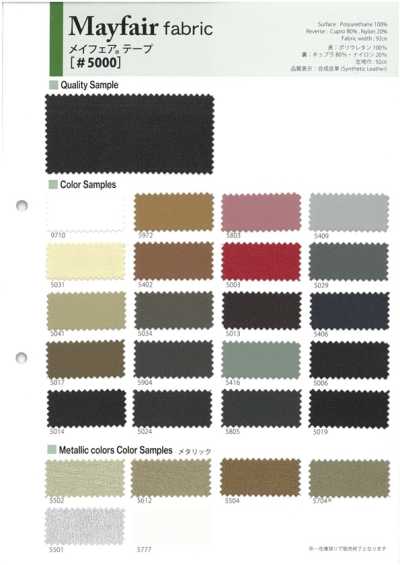
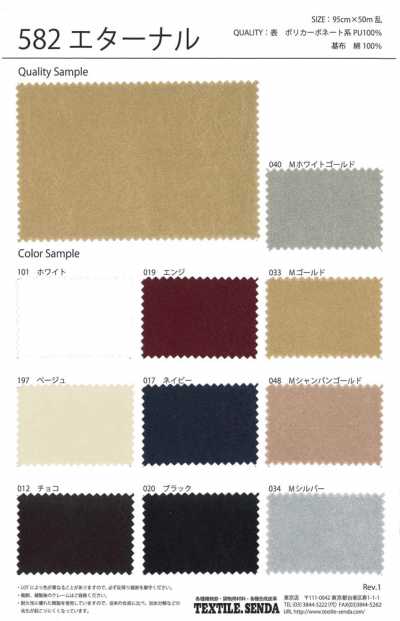
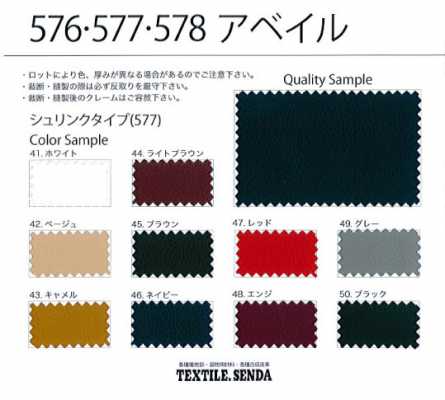
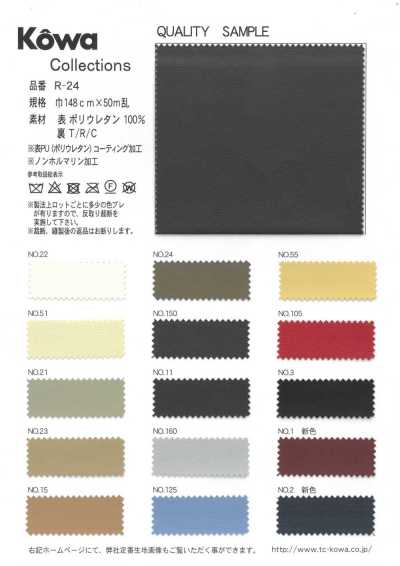
Surface embossing and similar processes can create a wide range of appearances, such as smooth, grained, suede-like, and enamel-like finishes. It is easy to achieve faithful reproduction of colors and patterns, and another characteristic is that differences between cutting positions are generally smaller than with genuine leather.
Depending on the base fabric, the type of resin, and the surface finish, thickness, firmness, stretch, suppleness, and breathability vary greatly. Many products are less absorbent and easier to wipe clean, but susceptibility to stuffiness and long-term surface deterioration varies by specification.
Main Applications
In clothing, it is used for jackets, blousons, coats, skirts, pants, and dresses, as well as for partial applications such as collars, pockets, and elbow patches. Thick types with wind resistance are often used for autumn and winter apparel, while thin or stretch types are also used for year-round collections.
It is also used for fashion accessories such as bags, shoes, belts, and hats, as well as for interior applications such as furniture and vehicle interiors. However, because the required flexibility, abrasion resistance, flame resistance, and other properties differ between apparel use and miscellaneous goods or interior use, it is important to confirm the specification suitable for the intended application.
How to Choose and Handling Precautions
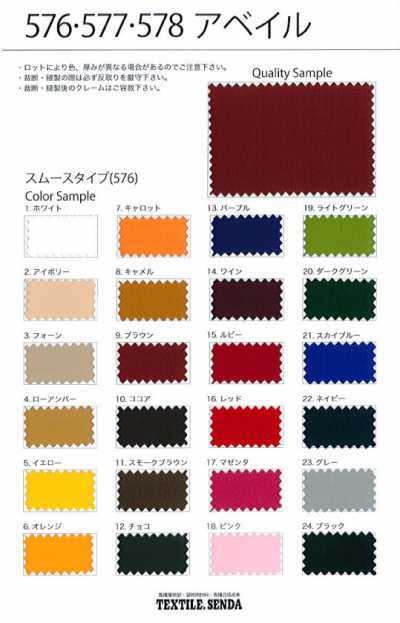
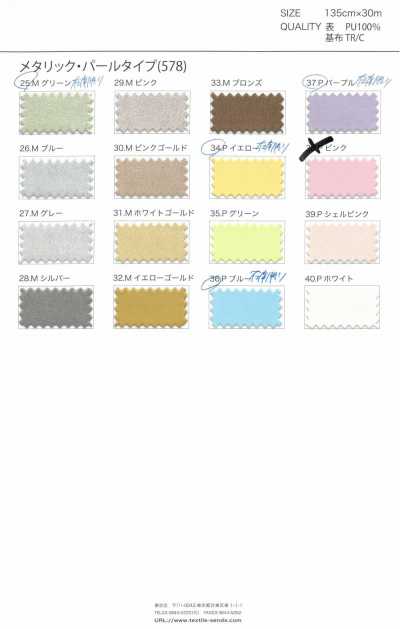
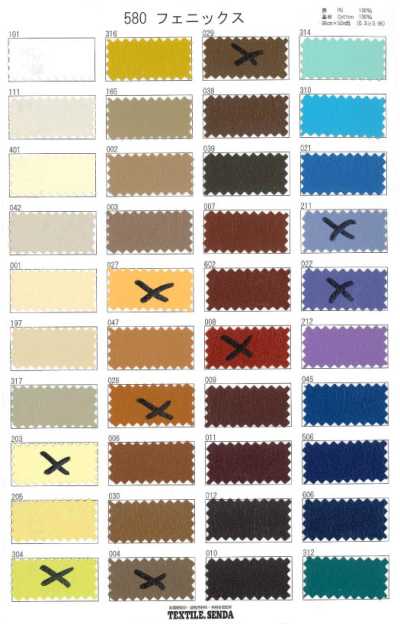
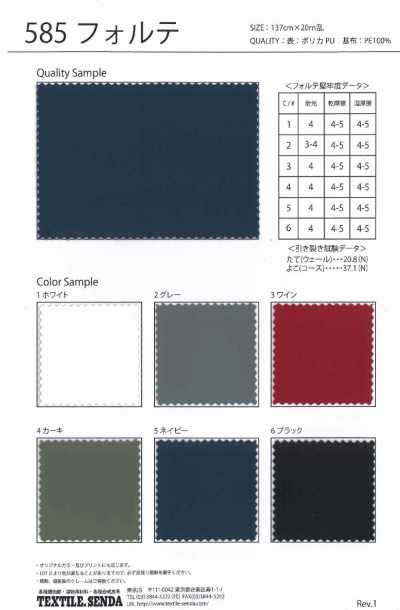
When selecting a material, check not only the appearance but also the type of base fabric, thickness, stretch, slipperiness of the back side, seam strength, and durability against friction and bending. Since the texture of the surface can also look different depending on the lot and lighting, it is important to check the color, sheen, and grain on an actual sample.
Whether it can be washed with water and how much it shrinks depend on the composition of the base fabric and surface resin. High-temperature irons, dryers, and agents containing solvents may cause deformation, surface stickiness, hardening, or peeling, so follow the care label and the manufacturer’s handling conditions.
During sewing, needle holes tend to remain, and resewing may stand out as surface damage. In test sewing, adjust the needle size, thread, stitch length, and presser foot pressure, and prevent feed-related damage and seam bursting. For storage, avoid high temperature and humidity, direct sunlight, and contamination transferred from other materials.
- Artificial leather generally refers to a material that uses a base made by three-dimensionally entangling ultra-fine fibers or similar materials, and its structure and terminology may differ from synthetic leather.
- Genuine leather is material made by tanning animal hide, and differs from synthetic leather in raw materials, structure, aging characteristics, and care methods.
Frequently Asked Questions
What is the difference between synthetic leather and artificial leather?
Synthetic leather generally refers to a material in which a resin layer is formed on a textile base. Artificial leather often refers to a material in which resin is impregnated into and applied to a three-dimensional base made by entangling ultra-fine fibers, and it is treated as having a structure closer to genuine leather. However, usage in distribution and labeling varies.
Can synthetic leather be washed at home?
Whether it can be washed depends on the material composition and product specifications, so it cannot be judged uniformly. Since the surface resin may be affected by heat, moisture, detergent, and friction, check the product care label. Even if washing is allowed, it is important to follow instructions such as turning the item inside out and using a short wash cycle.
What should I watch out for when sewing synthetic leather?
Because needle holes tend to remain, the basic approach is to avoid placing pins in noticeable areas and to reduce resewing. Test needles and thread suitable for the fabric thickness and base fabric, and check for feed marks, seam puckering, and seam splitting. In seam allowance overlap areas, consider the specification with the thickness in mind.
- Browse Artificial Leather products
- Products with material "Synthetic Leather"
- Products for style "For Outerwear/blousons/coats"
- Products for style "For Jackets/Suits"
- Products for style "For Pants"
- Products for style "For Skirts And Dresses"
- Products for style "For Bags"
- Products for style "For Interiors"
- Browse Textile products