Waist Adjuster
A waist adjuster is a metal fitting or resin part used to adjust length by threading tape or belt-like material through it, to fine-tune the fit around the waist of clothing, bags, and similar items.
Contents6 sections
Definition and Overview
A waist adjuster is an accessory attached to the waist area of pants, skirts, outerwear, and similar items to change the length of tape or a belt. It allows adjustment of the circumference and tightness to suit the wearer’s body shape and layering.
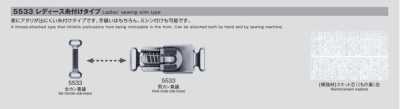
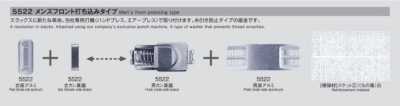
Forms include those similar to a slide adjuster that holds the tape by folding it back with friction, those used in combination with a buckle, and those used together with buttons or elastic band. Because the structure and operating method differ by product, the specification sheet should clearly state the location of use and the threading method.
Materials and Structure
Metal types may use iron, brass, zinc alloy, or similar materials, and are characterized by being easy to make thin and by giving a sharp appearance. The surface may be plated or painted, and the color tone, corrosion resistance, and appearance after wear differ depending on the finish.
Plastic types use polyacetal, polypropylene, ABS resin, and similar materials. They are easy to use for lightweight designs, but their resistance to impact in low temperatures, ultraviolet light, chemicals, and repeated loads varies by material.
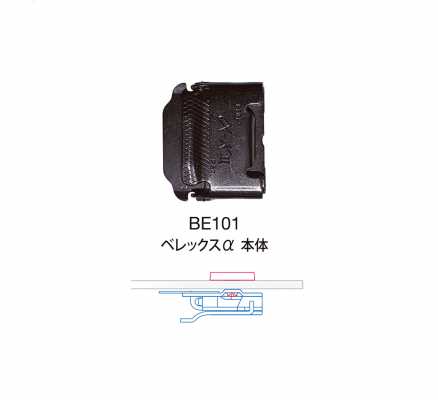
In general, they consist of a frame through which the tape passes and a center bar or divider bar that folds back and secures the tape. The roundness of the corners, the thickness of the bar, and the contact surface with the tape affect operability, holding force through friction, and tape damage.
How to Indicate Size
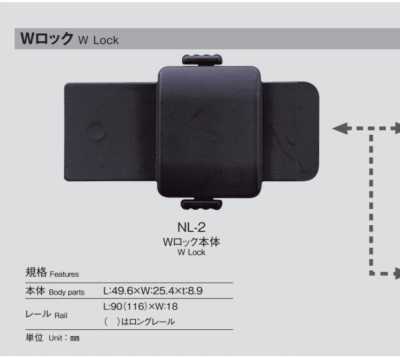
Size is often shown by the inside dimension of the opening through which the tape passes, or by the corresponding tape width. Even if the outside dimensions are the same, the actual passable width changes depending on the bar thickness and the roundness of the inner corners, so check the inside dimension together with the thickness of the component to be threaded.
If the opening is too narrow for the tape width used, threading becomes difficult and the tape may be damaged during operation. Conversely, if it is too wide, the tape may shift sideways and the adjustment position may not stay stable, so it is important to perform a threading test with the actual tape.
- The dimensions to confirm are the inside dimension, compatible tape width, overall outside dimension, and thickness.
- When thick tape, stacked stitching sections, or folded end sections pass through, confirm using the actual measured thickness of those sections.
- For specifications used as a left-right pair, also confirm the orientation, left-right shape, and threading order of the tape.
Main Applications and Selection
Main applications include waist adjustment at the side or back of pants and skirts, tightening the waist near the hem of outerwear, and size adjustment for uniforms and children’s clothing. They may also be used in bag strap adjustment sections, and for apparel use, skin feel and thickness are also selection factors.
When selecting, check not only strength against tensile load, but also the holding performance that prevents shifting after adjustment, ease of opening, closing, and rethreading, and balance with the product weight. For heavy fabrics and work-use products, evaluate the overall strength including the tape, sewn section, and other fixed accessories.
For metal types, check for rust and discoloration caused by moisture, sweat, washing, and friction. For plastic types, check for cracking, deformation, and fading. For products for infants and toddlers, or products that go through needle detection processes, manage whether metal is used and whether needle detector compatible is required according to production conditions.
Differences from Similar Terms
Slide adjusters and koshikan are representative fittings used to adjust tape length, and may be used as waist adjusters. However, waist adjuster is a term for the area of use and application, and does not necessarily refer to only one specific shape.
A prong buckle often refers to a buckle-like accessory used on back belts for vests, coats, and similar items, and design appeal is also emphasized. A cord stopper is a part that holds round cord or cord to adjust its length, and its structure differs from a waist adjuster that threads flat tape.
FAQ
Where should I check the size of a waist adjuster?
First, confirm the inside dimension that matches the tape width used. Whether the stated measurement is the inside dimension or outside dimension differs by product, so be careful. Also consider the tape thickness, folded end sections, and areas where seam allowance overlaps, and before mass production, thread the actual component to check operability and holding performance.
How do I choose between a metal and a plastic waist adjuster?
Choose based on the required strength, product weight, appearance, washing and usage environment, and whether a needle detection process is used. For metal types, check rust and plating wear; for plastic types, check impact resistance and aging over time. For both, compatibility with the tape affects how easily they shift, so a combination test is necessary.
- Browse Waist Adjuster products
- Products with material "Metal"
- Products with material "ABS Resin"
- Products with material "Polypropylene"
- Products with material "Polyacetal"
- Products for style "For Pants"
- Products for style "For Skirts And Dresses"
- Products for style "For Outerwear/blousons/coats"
- Products for style "For Uniforms/Workwear"
- Products for style "For Kids"
- Browse Buckles And Rings products