Circular Ring
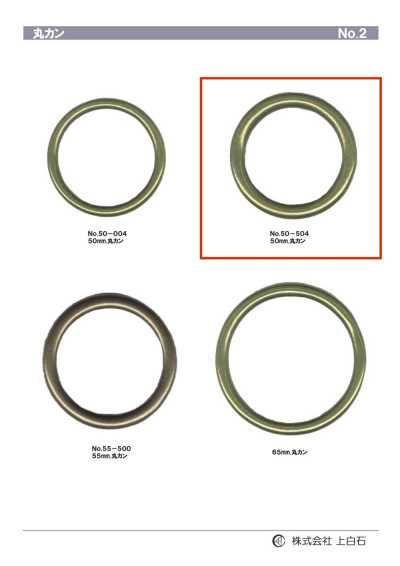
A circular ring is a clothing accessory used by threading tape, cord, belts, and similar items through a circular or oval ring for connection, length adjustment, and decoration.
Contents6 sections
Definition and Overview
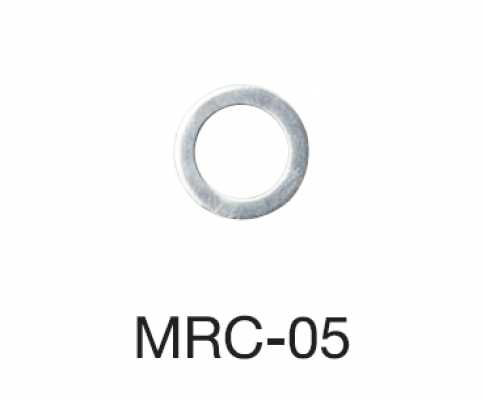
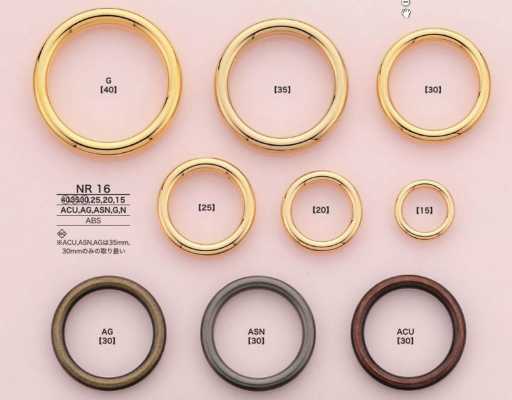
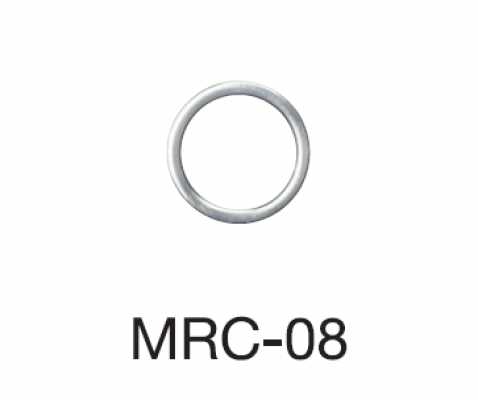
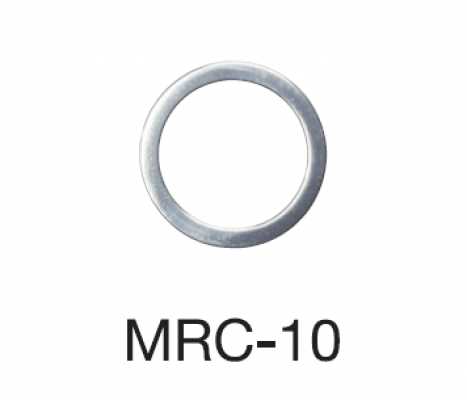
A circular ring is a type of ring accessory formed by shaping wire into a loop. It is used to connect parts by passing tape, belts, cords, chains, and the like through it, and it is also used as a design accent. In English, it is generally called an O-ring.
A circular ring is basically a one-piece part with no opening or closing mechanism. For that reason, it is not a detachable fitting like a lobster clasp, but is suited to applications that permanently connect sewn-on tape or other fittings.
Materials and Structure
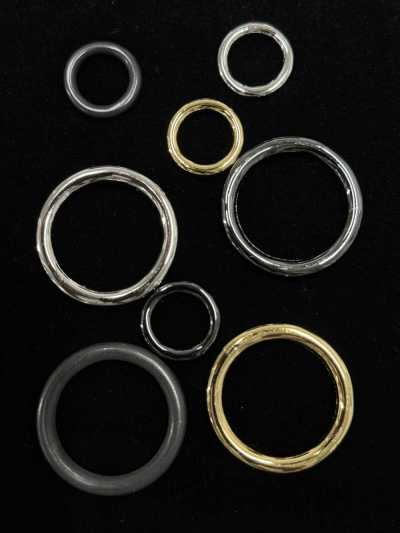
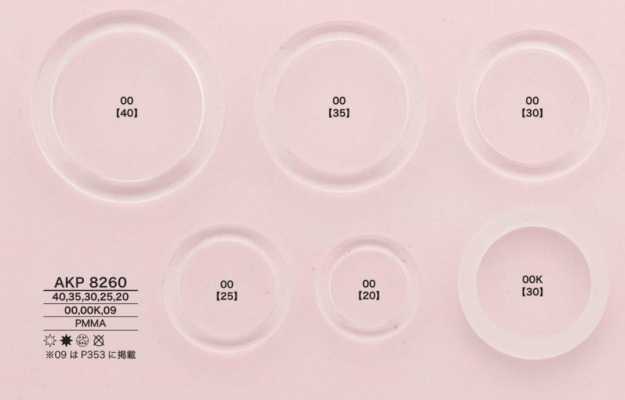
For metal products, iron, brass, zinc alloy, stainless steel, and the like are used, and the surface may be plated or painted. In addition to metal, there are also circular rings made of resin, which are chosen when light weight or avoidance of metal is a concern.
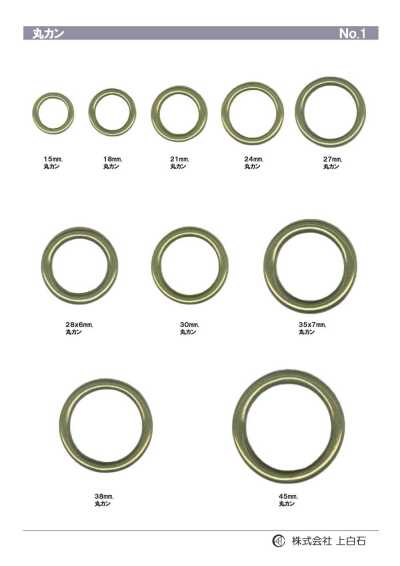
Shapes include not only perfect circles but also slightly elongated oval shapes on the inside, thicker types, and types with a thin wire diameter. The wire diameter, inner diameter, outer diameter, and cross-sectional shape affect not only appearance but also ease of threading and load capacity.
How to Indicate Size
Circular ring sizes are generally shown by the inner dimensions or inner diameter. However, whether the standard is inner diameter or outer diameter varies depending on the product number and specifications, so it is important to check the dimension drawing when placing an order.
The tape width to be threaded is set with some allowance relative to the inner dimensions of the circular ring. When folding back the tape and sewing it down, the required space increases due to the tape thickness, seam allowance, and overlap, so check the ease of threading with an actual sample or prototype.
- Inner dimensions: the dimensions of the inside of the ring through which tape or cord passes.
- Outer dimensions: the outside dimensions of the entire fitting, which affect the mounting position and appearance.
- Wire diameter: the thickness of the material that makes up the ring, which affects strength, weight, and appearance.
Main Applications
In apparel, it is used for connecting shoulder straps and straps, waist belts, adjuster specifications for cuffs and hems, and design details. In bags, it is also used to connect shoulder tape, attach handles, and hang accessories.
Its rounded outline gives it decorative appeal. On the other hand, because it is difficult for a standalone part to finely adjust tape length, it is combined as needed with slide adjusters or strap keepers.
Selection and Precautions
Select the inner dimensions and wire diameter based on the load on the area of use, the pulling direction, and the tape width and thickness. In applications subject to repeated loads, such as bag handles and shoulder straps, do not judge by appearance dimensions alone; confirm strength using specifications that include the attachment area.
For metal products, rust, discoloration, and wear of the plating may occur due to sweat, moisture, washing, or friction. Check the material and surface treatment according to the application and washing conditions, and verify by testing the effects of contact with dissimilar metals or textile.
For products that undergo needle detection, manage metal circular rings on the premise that they will react to the detector. Even with resin products, it is necessary to confirm that the entire product complies with the inspection conditions, including whether it contains a core material or attached parts.
Frequently Asked Questions
What is the difference between a circular ring and a D ring?
A circular ring is a circular or oval ring, and its features are its curved appearance and ease of connection in multiple directions. A D ring is D-shaped, and the difference is that it is easier to align tape along the straight section and keep the tape attachment position stable.
Should the inner dimensions of a circular ring be the same as the tape width?
If the inner dimensions are the same as the tape width, it may become difficult to thread because of the thickness and folded-back sections. Extra allowance is especially necessary for thick tape or constructions with multiple seams. It is important to make a prototype check using the tape and sewing specifications to be used.
Can a circular ring alone be used to adjust belt length?
A circular ring is mainly a connection ring and does not by itself have a function to fix and adjust length. If length adjustment is needed, modify the way the tape is threaded, or combine it with adjuster fittings such as slide adjusters or strap keepers.
- Browse Circular Ring products
- Products with material "Brass"
- Products with material "Stainless Steel"
- Products with material "Zinc"
- Products with material "Iron"
- Products with material "Metal"
- Products with material "Polyacetal"
- Products for style "For Bags"
- Products for style "Outdoor"
- Products for style "For Sports"
- Products for style "For Uniforms/Workwear"
- Products for style "For Costumes/dresses"
- Browse Buckles And Rings products