Prong Buckle
A prong buckle is a buckle used to fasten a belt or tape by inserting the pin attached to the frame into a hole in the belt or tape, allowing the length to be adjusted in steps.
Contents6 sections
Definition and Overview
A prong buckle is a metal fitting used to fasten belt-like materials. It secures by inserting the prong in the buckle frame into the hole on the other side. By changing the hole position, the waist or strap length can be adjusted in steps. In apparel, it is used not only for belts, but also for cuffs, bag straps, and more.
It is sometimes written as "bijo." In practice, prong buckles are often handled as buckles with a prong, while "bijo" may also be used more broadly to refer to decorative buckles in general. For specifications, state whether a prong is included and how it is used.
Materials and Structure
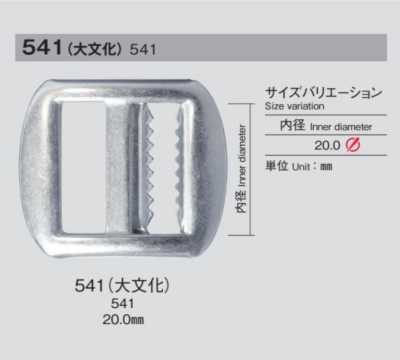
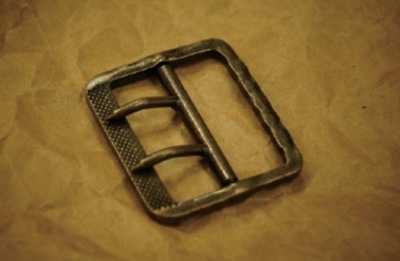
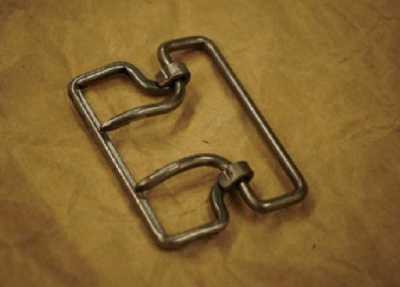
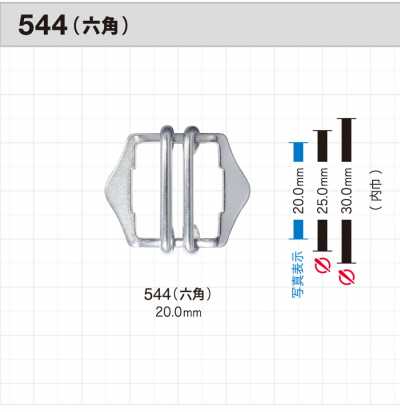
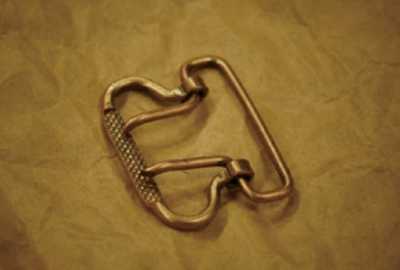
A typical prong buckle consists of an outer frame, a prong, and a crossbar that supports the prong. The prong is usually a single piece, but depending on the application and design, versions with multiple prongs also exist. On the side that secures the belt, a section is provided to wrap the leather or tape and fasten it by sewing or cap and close post.
Common materials include metals such as brass, iron, zinc alloy die-cast, and stainless steel. The surface may be plated or painted, affecting gloss, color tone, and corrosion resistance. For applications where light weight or the usage environment is important, resin may also be selected.
How Sizes Are Expressed
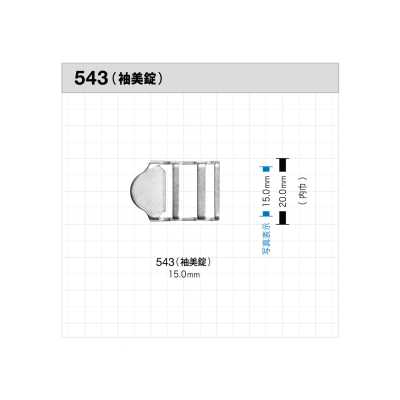
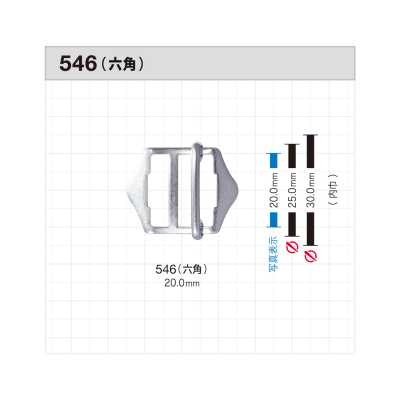
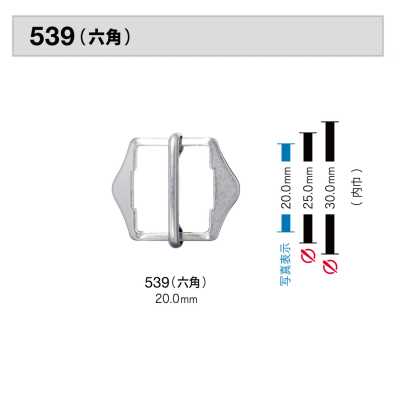
Prong buckle sizes are generally expressed by the inside dimension of the frame through which the tape or belt passes. Even if the inside dimension matches the tape width, whether it can actually pass through depends also on the tape thickness, folded edge, and bulk created by sewing, so it is important not to judge by width alone.
When designing, choose the inside dimension based on the finished width of the tape or leather being used, and check ease of passage with the actual item. In addition, checking the outside dimension, prong thickness, hole diameter, hole pitch, and the shape of the belt end can help reduce issues with usability and appearance.
- Inside dimension: the inner width of the frame through which the belt or tape passes.
- Outside dimension: the overall size including the frame, related to the design and installation space.
- Prong diameter: related to compatibility with the belt hole and the feel during operation.
Main Applications
Prong buckles are used on matching-fabric belts and attached belts for pants, skirts, dresses, jackets, and more. Because the length can be changed in steps, they are suitable not only for waist adjustment but also for details such as cuffs and tabs on the back, where they serve both to secure openings and to add decoration.
They are also used on bags, hats, around shoes, and on straps for uniforms and outdoor gear. However, in locations where strong loads are repeatedly applied, overall strength design is needed, including not only the prong buckle itself but also the tape, stitching, and hole reinforcement.
Selection and Precautions
Select by checking the belt width and thickness, required adjustment range, product load, and the position that will touch the skin when worn. Thin, delicate frames create a lighter impression, but may not be suitable for thick leather or heavily loaded straps. Use samples to check ease of putting on and taking off, and whether the prong is unlikely to come out of the hole.
With metal products, rust, discoloration, and plating wear may occur due to sweat, moisture, washing, and friction. Based on the material, surface treatment, and usage environment, evaluate corrosion resistance and color transfer as needed. For products using metal accessories, also confirm in advance whether they comply with the needle detector standards of the customer.
Frequently Asked Questions
Where should I measure the size of a prong buckle?
Basically, check the inner width of the frame through which the belt or tape passes. However, even with the same width, it may become difficult to pass depending on the tape thickness and folded edge. It is important to verify with the actual material in place, including the bulk after sewing.
How is a prong buckle different from a slide adjuster?
A prong buckle is a buckle that inserts the prong into a belt hole to lock the length in steps. A slide adjuster is a fitting that adjusts length by passing the tape through it and folding it back, and it usually does not use holes or a prong. Because the fixing method, required tape specifications, and appearance differ, they are used according to the application.
Do prong buckles need to be needle detector compatible?
When needle detection is required by the customer or inspection process, check the standards for all accessories including the prong buckle. Metal prong buckles generally trigger a response in needle detectors, but the result varies depending on the material, size, and detection conditions. It is necessary to confirm with the actual product before adoption.
- Browse Buckle products
- Browse Buckle products
- Products with material "Brass"
- Products with material "Stainless Steel"
- Products with material "Zinc"
- Products with material "Iron"
- Products with material "Metal"
- Products for style "For Pants"
- Products for style "For Skirts And Dresses"
- Products for style "For Bags"
- Products for style "Outdoor"
- Products for style "For Uniforms/Workwear"
- Browse Buckles And Rings products