Needle Detection
Needle detection is a quality control process that uses a needle detector or similar device to check whether broken or mixed-in metal fragments such as sewing machine needles or pins remain in the product during sewing.
Contents6 sections
Definition and Overview
Needle detection is an inspection process that confirms there are no broken needle fragments or other foreign matter in apparel or textile products. It is carried out mainly using a needle detector that detects metal, with the aim of ensuring product safety and preventing injuries to users and problems caused by foreign matter contamination.
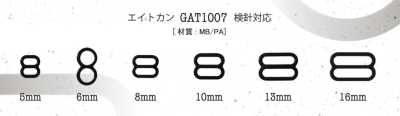
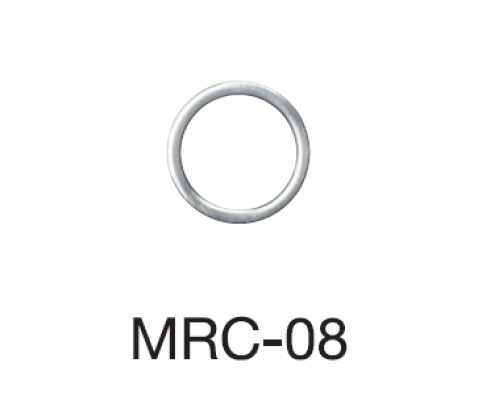
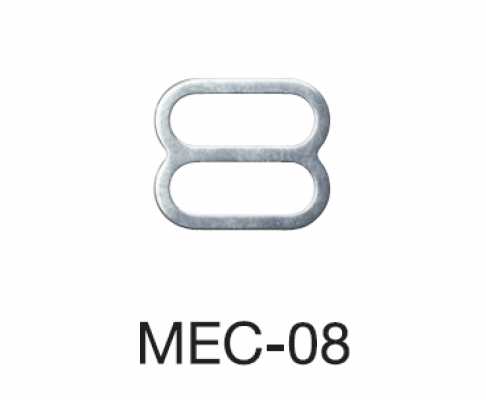
Needle detection is not sewing work itself, but a process that belongs to quality control for finished products. By contrast, needle detector compatible refers to the concept or specifications that assume inspection with a needle detector and manage metal accessories and materials, so the two are distinguished.
Position in Product Manufacturing
In general, needle detection is performed after sewing, finishing, and any necessary secondary processing have been completed, and before packaging or shipment. However, if there is any work after processing that uses needles, management must be aligned with the process sequence, such as performing needle detection after that work is finished.
In sewing factories, daily management is also carried out, such as recording needle replacements, collecting fragments when needles break, and keeping the worktable area organized. It is important not to rely only on final needle detection, but to put in place both prevention of contamination and records that can be traced when it occurs.
Position in the Production Process
Before needle detection, check whether there are any places where metal fragments could get into the product, such as pockets, folded edges, and areas around accessories. When using a needle detector, operate it only after checking with test pieces to confirm that it can detect properly according to the set management standards.
If a product triggers a response, separate it from other passed products and investigate the cause. Not only needle fragments, but also metal accessories such as metal buttons, zippers, and hooks may be the cause of detection. It is useful to decide in advance the reinspection procedure, the person making the judgment, and the recordkeeping method to stabilize operations.
- Clarify the scope of needle detection and the process in which it is carried out in the specification sheet or inspection standards.
- If a needle breaks, stop the work and record the fragment recovery status and the product concerned.
- Manage passed products, failed products, and products under cause investigation so they are not mixed together.
Ordering and Quality Notes
When placing an order, confirm whether needle detection is required by the delivery destination or sales destination, the target products, the judgment standards, and whether inspection records must be submitted. In particular, for products where safety considerations are emphasized, such as those for infants and young children, it is important to share the factory's needle detection management method from the planning stage.
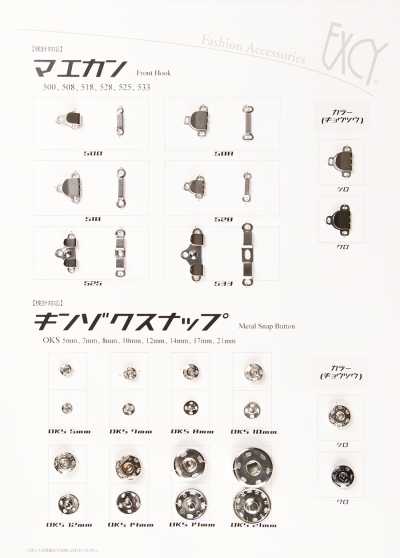
For products using metal accessories, confirm in advance the relationship with the detection conditions of the needle detector. Since the operation that allows the metal response of accessories and the operation used to distinguish needle fragments may differ, advance confirmation using samples and documentation of the standards are helpful.
Differences from Similar Terms
Needle detector compatible refers to considering materials and specifications so that the needle detection process can be carried out smoothly, and it is different from needle detection, which actually inspects the product. Also, visual inspection is work to check sewing defects, dirt, appearance, and so on, and it requires management separate from needle detection when checking for tiny metal fragments inside the product.
Machine needles and straight pins are tools used for sewing and temporary fixing. Needle detection is the process of checking the risk of these remaining if they break or are mixed in, and its purpose differs from selecting the needles themselves or replacing them.
Frequently Asked Questions
At which process is needle detection usually carried out?
Generally, it is carried out before packaging and shipment, after sewing, finishing, and any other work that may use needles such as secondary processing has been completed. If there are repairs or tag attachment in later processes that use needles, the process is designed to include a recheck after that work.
Can clothing with metal buttons or zippers still be needle detected?
Needle detection is possible, but metal buttons, zippers, hooks, and similar items may trigger the needle detector. Based on the position and specifications of the product's metal accessories, it is necessary to establish as inspection standards advance testing with the equipment to be used, the judgment method, and the procedure for confirming triggered items.
Are needle detector compatible and needle detection inspection the same meaning?
They do not have the same meaning. Needle detection inspection is the work of checking whether needle fragments or metal foreign matter remain in finished products and the like. Needle detector compatible refers to arranging the choice of accessories, materials, specifications, and manufacturing processes on the assumption that such inspection and management will be carried out.