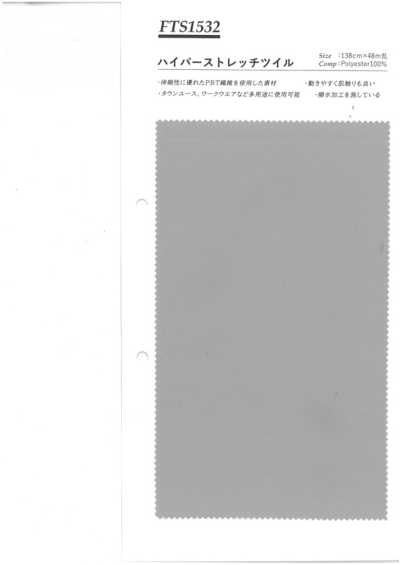
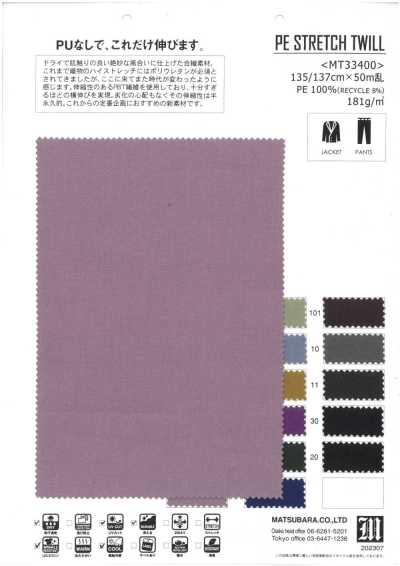
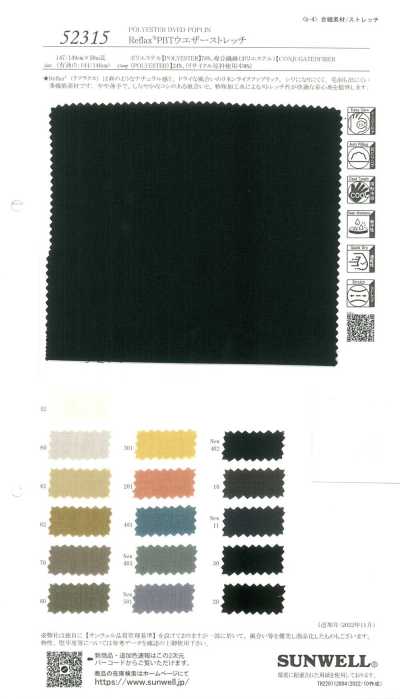
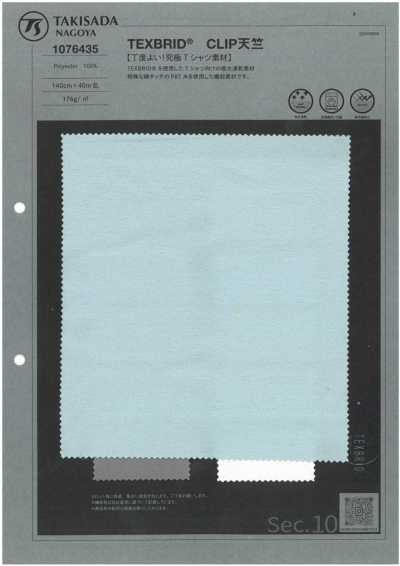
PBT
PBT is a synthetic fiber made from polybutylene terephthalate, used in knits and stretch woven fabrics for its elasticity and ability to recover after stretching.
Contents6 sections
Definition and Overview
PBT is a type of synthetic fiber in the polyester family. It is used not only on its own as a fiber, but also as a composite fiber or blended material combined with polyester and others. Depending on the textile structure, yarn construction, and processing, the hand feel and performance can change significantly.
In apparel, it may be chosen when stretch is needed without using polyurethane, or while keeping the amount of polyurethane to a minimum. It is especially used in knits and woven fabrics where recovery after stretching is important.
Features
Materials made with PBT are generally characterized by their flexible stretch and their ability to recover shape easily. Rebound refers to the property of returning to the original dimensions after the textile has been stretched. It follows body movement well and is suitable for applications where sagging should be minimized.
Depending on the yarn design, it can also create an appearance similar to cotton or a dry touch. On the other hand, because PBT itself is not a highly hygroscopic fiber, moisture absorbency, quick-drying performance, and reduced cling to the skin should be evaluated together with the blended material, knit structure, and water-absorbing finish.
- Its stretchability and stretch recovery are easy to take advantage of.
- Depending on the yarn and structure, it can be adjusted from soft to firm.
- In composite fibers, texture and function can be designed through combinations with other materials.
Main Applications
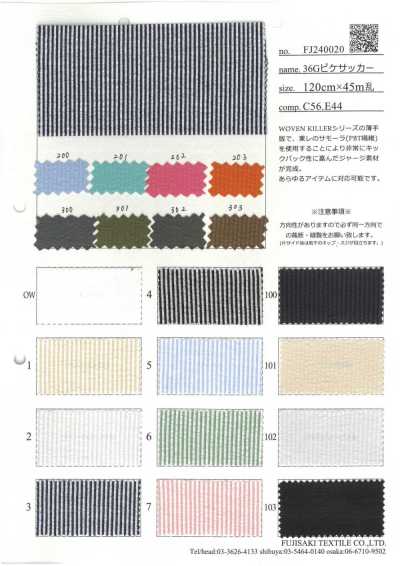
It is used for items that require ease of movement and dimensional stability, such as stretch jersey, T-shirt fabric, innerwear, and sportswear. In thin to medium-weight knits, it is suitable for designs that achieve both a close fit and good recovery.
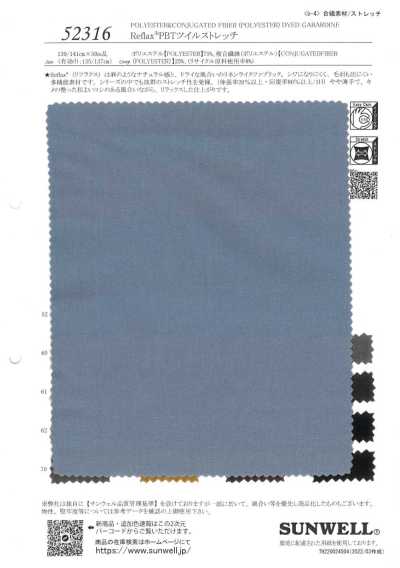
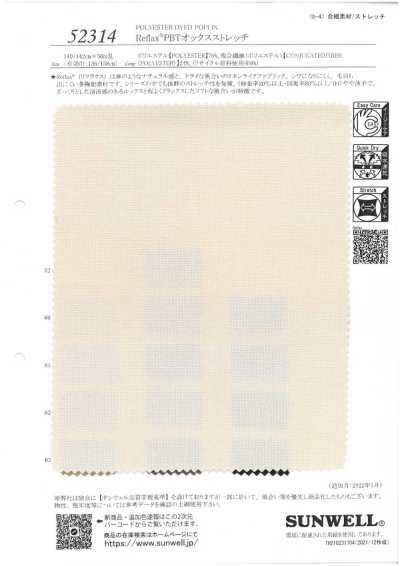
In stretch woven fabrics made with highly twisted yarns, it may be used for pants, jackets, uniforms, and more, by adding a crisp texture and moderate rebound. Whether it is suitable for spring and summer or for fall and winter is determined not only by the type of PBT, but also by the fabric weight, density, and structure.
Selection and Handling Notes
When selecting, do not judge only by the blend ratio; check the stretch recovery rate, dimensional change after washing, and surface appearance according to product requirements. Especially for products where fit is important, it is essential to test stretch and recovery in the warp, weft, or knit direction through testing or sewing samples.
The degree of shrinkage or distortion caused by washing varies depending on the knit structure, processing such as heat setting, and blended materials. In principle, follow the care label and avoid high-temperature ironing or drying. Before mass production, carry out wash tests to check sewing shrinkage and dimensional change.
In sewing, if the direction in which the textile stretches does not match the stretch of the seam, it can lead to puckering, thread breakage, or seam failure. For knits, adjust the needle selection, thread tension, and feed amount, and if necessary consider a sewing specification that follows stretch.
Differences from Similar Terms
PBT and polyester are both classified as polyester-family materials, but PBT as an apparel material is used for its stretch and rebound properties, which differ from those of ordinary polyester. However, fabric performance cannot be judged uniformly from the material name alone.
PTT is also a polyester-family fiber used for its stretch and recovery properties, but it is a different fiber with a chemical structure different from PBT. Polyurethane, meanwhile, is a fiber often blended to achieve greater stretch, and it differs from PBT both in material type and in its role in fabric design.
Frequently Asked Questions
Is PBT the same stretch material as polyurethane?
No. PBT is a synthetic fiber in the polyester family, and it provides stretch and easy recovery by making use of the properties of the fiber and yarn structure. It is a different material from polyurethane, and it is used according to the required stretch, recovery, texture, and durability.
Does PBT material shrink when washed?
Whether it shrinks, and by how much, is not determined by the PBT blend ratio alone. It is affected by the knit structure or woven density, heat setting, blended materials, and washing conditions. When turning it into a product, check the dimensional change of both the textile and sewn product in advance under the intended washing conditions.
What should I watch out for when sewing PBT textile?
With stretch textiles, it is important not to pull the textile too much during sewing. If the needle, thread, feed amount, and thread tension do not match, sewing shrinkage or puckering can occur. Decide the conditions after checking the seam stretch and appearance with test sewing.