PTT
PTT is a polyester-based synthetic fiber whose main component is polytrimethylene terephthalate, used in apparel textiles and similar applications by taking advantage of its soft hand and stretch recovery.
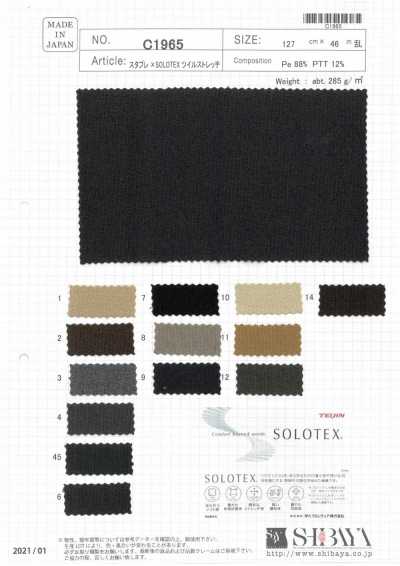
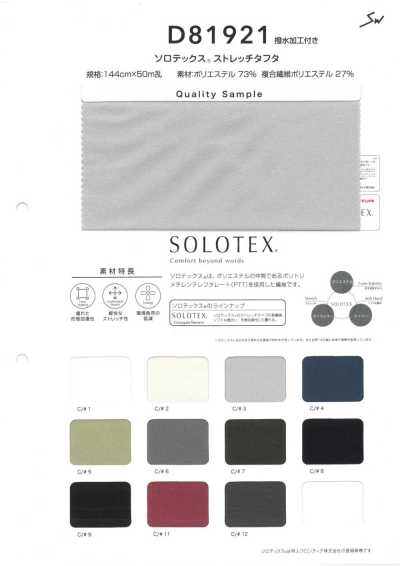
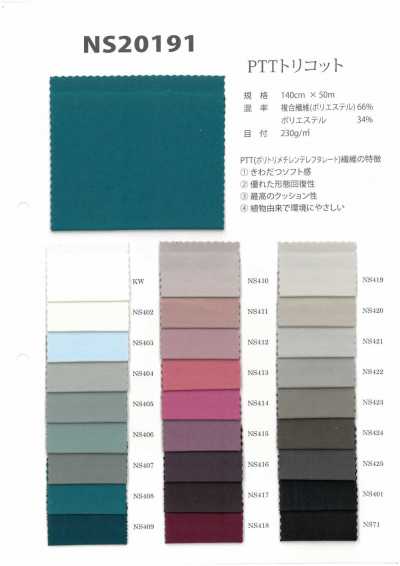
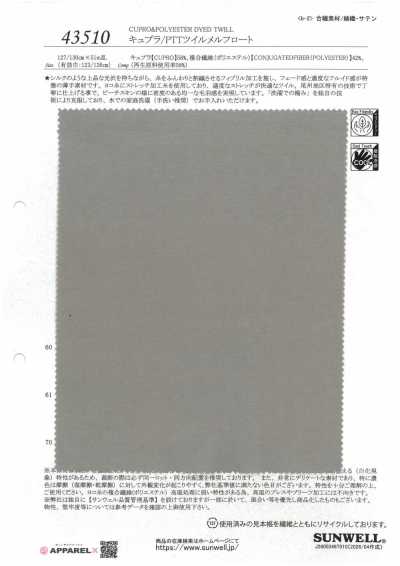
Contents6 sections
Definition and Overview
PTT is an abbreviation for polytrimethylene terephthalate, a type of polyester. Because its properties change depending on yarn design, woven or knitted structure, finishing, and blending with other fibers, do not judge fabric performance by the material name alone; check the specifications and test results.
In apparel, PTT is used not only by itself but also in yarns and textiles combined with polyester, polyurethane, and other materials. Some PTT polymers use plant-derived raw materials in part, but the origin and blend ratio vary by product.
Hand and Functional Characteristics
Compared with standard polyester, PTT fiber is a material that more easily expresses a soft, supple hand. Depending on the structure of the yarn or textile, it can provide loft, cushioning, and drape.
It also makes it easy to add stretch that follows movement by taking advantage of its ability to recover after being stretched. It may also be designed as a stretch material without using polyurethane, but stretch performance depends on the blend ratio and structure.
Its appearance ranges from matte to lustrous depending on the yarn cross-section, twist, woven or knitted structure, and processing. The material name PTT itself does not indicate any specific luster or surface texture.
Main Applications
Taking advantage of its stretch, recovery, and soft wearing comfort, it is used for pants, skirts, dresses, jackets, shirts, and cut-and-sew items. It is also suitable for sportswear, uniforms, and light apparel that require ease of movement.
Because it can be designed from lightweight to medium-weight woven fabrics and knits, applications vary depending on the fabric structure. In high-density woven fabrics such as taffeta, it may be used for lightweight outerwear, while in knits it may be used for items that require a close fit.
Selection and Handling Notes
When selecting a textile, check not only the blend ratio but also elongation, stretch recovery, fabric weight, thickness, structure, and dimensional change after washing. Even with the same PTT blend, the required ease and sewing conditions differ depending on whether it is woven or knitted and whether polyurethane is also used.
Shrinkage and changes in hand caused by heat vary depending on the textile design and finishing. Before mass production, test under the intended washing method, tumble drying, ironing, and fusible interlining pressing conditions, and also check for puckering and seam stretch after sewing.
In sewing, for easily stretching knits and stretch woven fabrics, align the grain before cutting and adjust feed amount and thread tension to suit the textile. Because high-temperature ironing or pressing can cause shine, fading, or changes in shape, perform a preliminary test on a scrap piece.
- For washing and ironing conditions, give priority to the care tag and test results for each textile.
- With contrasting colors or combinations with different materials, check color transfer and heat-related differences in advance.
- Because color and hand may differ by lot, manage lots in additional production.
Differences from Similar Terms
Polyester is a general term widely used for synthetic fibers with a specific chemical structure. PTT is one type of polyester and is distinguished from polyester whose main component is polyethylene terephthalate.
PBT is also a polyester-based synthetic fiber like PTT. Both are used for their stretch and recovery depending on the application, but the type of polymer, yarn characteristics, and processing suitability are not the same. Confirm the exact blend on the material label and specification sheet.
Polyurethane is an elastic fiber that provides significant stretch and is a different material from PTT. PTT is also used in designs that aim for stretch and recovery without blending polyurethane, but the stretch performance of the two cannot be treated as the same.
Frequently Asked Questions
Is PTT polyester?
PTT is a type of polyester-based synthetic fiber. However, its main chemical structure differs from polyethylene terephthalate, which is commonly called polyester. Check the care tag, blend ratio, and performance test values, and handle it based on the properties of each textile.
Does PTT textile shrink when washed?
Dimensional change after washing is not determined by the PTT blend ratio alone. It is affected by the structure of the woven or knitted fabric, finishing, blending with other fibers, and washing and drying conditions. Before mass production, carry out wash testing in the finished product state and decide the care tag instructions.
What should be noted when sewing PTT textiles?
For stretch PTT textiles, check the grain, sewing stretch, and puckering during cutting. Set the needle, thread, feed, and thread tension to suit the textile, and do test stitching to confirm whether the seam follows the stretch. Check pressing conditions, including shine and fading, on a scrap piece.