Lambswool
Lambswool refers to wool obtained at a sheep’s first shearing, and it is a material used mainly for autumn and winter knits and woven fabrics, making use of its relatively soft texture and warmth.
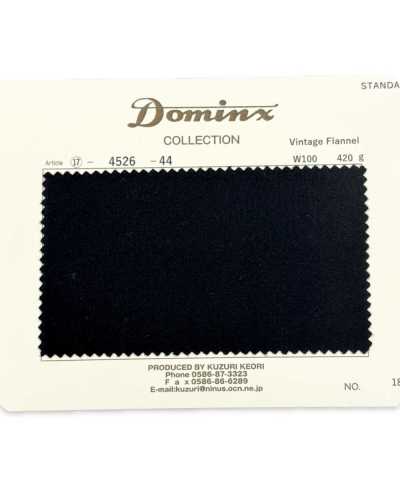
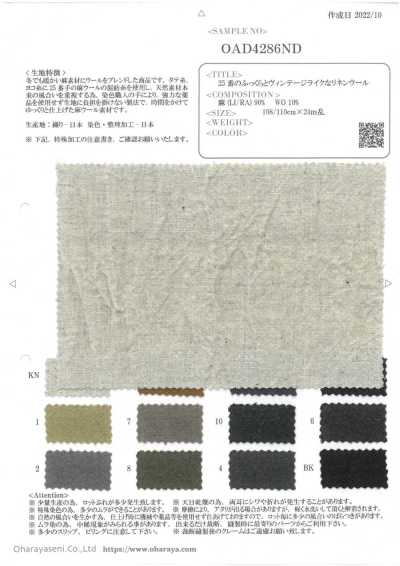
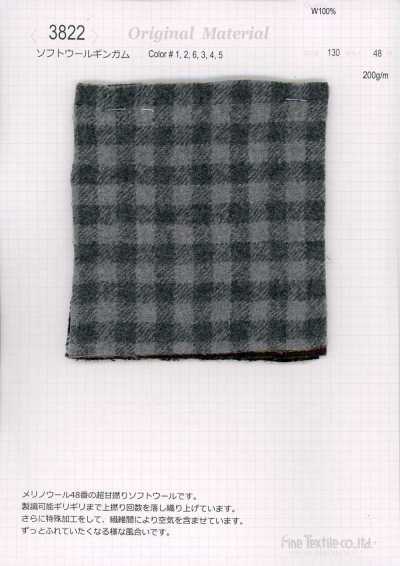
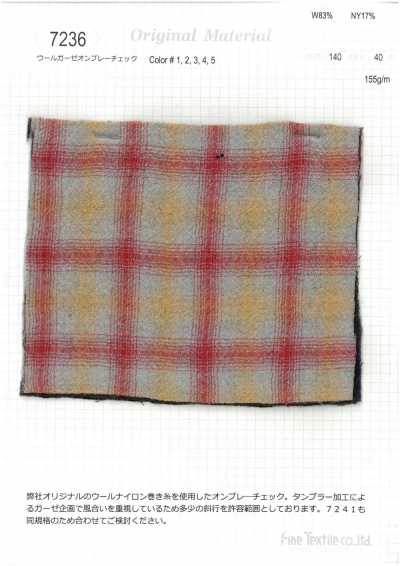
Contents6 sections
Definition and Overview
Lambswool is the name for wool obtained from a sheep’s first shearing. It is a type of ordinary wool, and the actual texture and applications vary greatly depending on fiber fineness, fiber length, breed of the raw material, spinning method, and finishing.
Because it refers to the raw material rather than a fabric name or structure name, it is used for woven fabrics such as plain weave and twill, as well as knit fabrics such as weft knits. When blended, the degree to which lambswool-like qualities appear changes depending on the blend ratio.
Characteristics
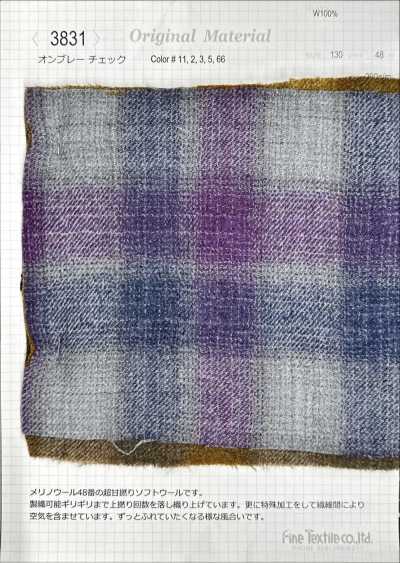
In many cases, it is a material that tends to feel softer and fuller than ordinary sheep wool. By holding air, it provides warmth, and its surface has a natural fuzzy feel and a warm appearance.
Its moisture absorption and release properties as wool can also be expected, but the feeling of irritation against the skin varies depending on fiber thickness, processing, and knit density. In addition, pilling and fuzzing may occur in areas subject to friction.
Main Applications
Taking advantage of its warmth and soft appearance, it is used for autumn and winter knits such as sweaters, cardigans, vests, scarves, hats, and gloves. By changing the yarn thickness and knit structure, it can be used for a wide range of styles from casual to polished.
In woven fabrics, it may be used for jackets, coats, skirts, pants, and other items that are brushed or fulled. When deciding on applications, it is important to check not only the material name but also the fabric weight, structure, thickness, and surface finish.
Selection and Handling Notes
When selecting, check the blend ratio, yarn thickness, knit or weave density, fabric weight, and degree of fuzziness with the actual material. For items that touch the skin directly, confirm whether there is any prickly feeling through a wear test, and if necessary, consider blending with other materials or using a lining.
Because shrinkage and felting may occur due to washing, heat, or friction, management in line with the care label and fabric test results is necessary. Before cutting and sewing, check the shrinkage rate and grainline of the roll of fabric, and if necessary, carry out pre-treatment such as hot-water scouring.
In sewing, seam allowances can become thick when using lofty knits or brushed materials, so adjust the needle, thread, and stitch conditions to suit the fabric. For stretchy knits, also consider specifications that suppress stretching during sewing.
Differences from Similar Terms
Wool is a broad term for all sheep wool, while lambswool refers to wool obtained from the first shearing. Merino wool, on the other hand, is a term mainly based on sheep breed, and its basis of classification differs from lambswool.
Virgin wool often refers to new wool that is not recycled wool, and is not synonymous with lambswool, which means wool from the first shearing. Cashmere, mohair, and alpaca are also animal fibers, but they are not sheep wool; they are hair from different animals.
Frequently Asked Questions
Are lambswool and merino wool the same?
No, they are not the same. Lambswool is mainly a classification based on a sheep’s first shearing, while merino wool is a classification based on sheep breed. Wool from the first shearing of merino sheep may also be treated as lambswool, so both conditions may apply.
Can lambswool be washed at home?
Whether home washing is possible cannot be determined by the material name lambswool alone. Handling varies depending on the structure of the knit or woven fabric, blended materials, and whether dyeing or shrink-resistant treatment has been applied. Always follow the product care label, and handle it with minimal friction and heat to avoid shrinkage and fuzzing.
Does lambswool itch?
The prickly feeling is not determined by whether it is lambswool alone, but varies depending on fiber thickness, fuzz, twist, knit structure, and finishing. For products that touch the skin directly, check for irritation not only with a swatch but also during wear, and if necessary consider blending or a lining.