Fiber Length
Fiber length is a property indicating the length of each individual fiber that makes up staple fibers such as cotton and wool, and it is an indicator related to spinnability, yarn hairiness, strength, surface smoothness, and textile hand.
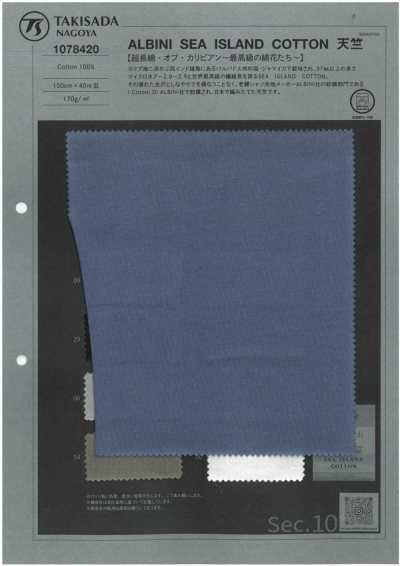
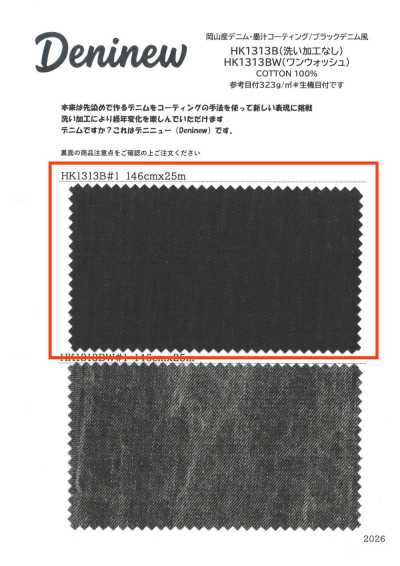
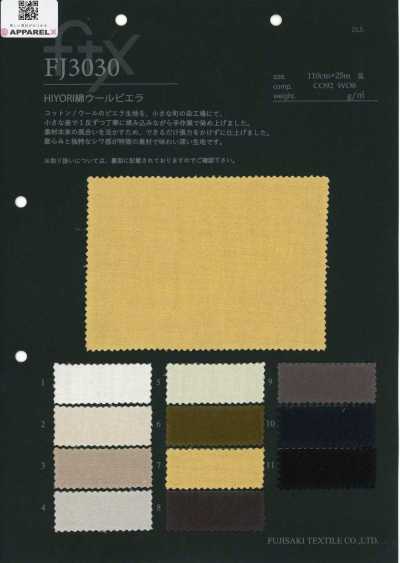
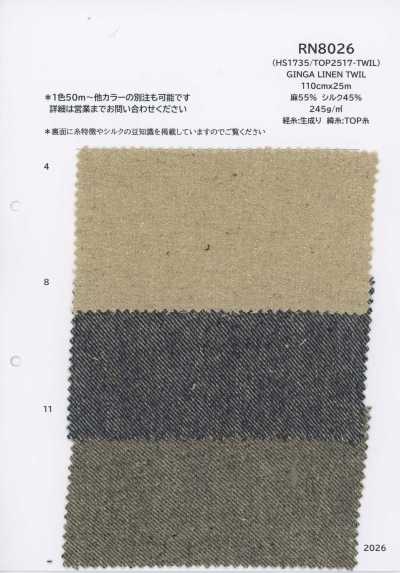
Contents5 sections
Definition and Overview
Fiber length is a raw material property that is important in materials made by twisting short fibers into yarn, such as cotton, wool, linen, and rayon staple fibers. Not only the average length, but also how much short fiber is mixed in and whether the lengths are uniform affects yarn quality.
In filament yarns with continuous length, fiber length is usually not treated in the same sense as for staple fibers. Fiber length is different from yarn count or denier, which indicate yarn thickness, and is a term that focuses on the length of each individual raw fiber.
Effects on Hand and Appearance
In general, raw materials with longer fiber length and relatively uniform length tend to hold fibers together more easily within the yarn and are more likely to become smooth yarn with less fuzz. In textiles, this may lead to a clean surface feel and an elegant luster.
Raw materials containing many short fibers can make it possible to use fullness, natural unevenness, and a soft appearance. On the other hand, fiber ends may more easily appear on the yarn surface, which can affect fuzziness and pilling.
- Long-fiber tendency: related to smoothness, low fuzz, and yarn strength.
- Short-fiber tendency: related to fullness, a rustic appearance, and a vintage look.
- The final hand is also affected by twist, spinning method, yarn count, density, brushed or softening finishes, and more.
Main Applications and Material Selection
For shirts, blouses, cut-and-sew garments, and fine-count woven fabrics that require a smooth touch and a clean surface appearance, raw materials with relatively long fiber length are one of the selection criteria. Even for lightweight fabrics for spring and summer, they are considered when aiming for a clean look with reduced fuzz.
For knit fabrics with fullness, brushed materials, casual sweat fabrics, and materials where appearance is emphasized, the characteristics of yarn containing short fibers may be used. However, fiber length alone should not determine the application or season; material composition, structure, fabric weight, and finishing should all be checked together.
Selection and Handling Notes
When selecting textiles, do not judge quality only by whether the fiber length is long or short; check fuzz, pilling, tensile strength, and appearance after washing using textile samples and test results. Even with raw materials of the same fiber length, hand and durability vary depending on differences in spinning processes and twist.
Shrinkage is not a property determined by fiber length alone; it is affected by fiber type, structure, knitting density, processing, and washing conditions. In sewing, textiles with a lot of fuzz may show noticeable fuzzing around seams and lint, so test the needle, thread, and sewing conditions in advance.
Frequently Asked Questions
Is longer fiber length always better?
Raw materials with longer fiber length tend to contribute to less fuzz, a smoother surface, and yarn strength. However, yarn containing short fibers is also suitable for applications that seek fullness and a rustic look. It is important to evaluate the application, spinning method, twist, and processing together.
What is the difference between fiber length and yarn count?
Fiber length indicates the length of each individual raw fiber, while yarn count is an index that indicates yarn thickness. Longer fibers can be advantageous when spinning finer yarn, but the two are not the same value. In material planning, check the raw material and yarn surface condition along with the yarn count.
Is fiber length related to shrinkage from washing?
Fiber length affects the surface properties of yarn and textiles, but it is not the sole factor that determines shrinkage from washing. Shrinkage is influenced by the type of material, woven or knitted structure, density, finishing, and washing and drying conditions. Before mass production, confirm dimensional change through washing tests.