Shearing
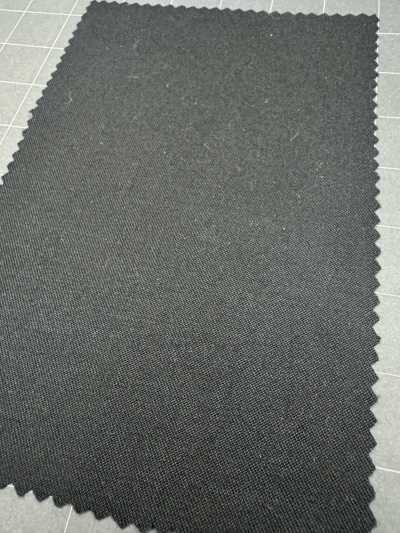
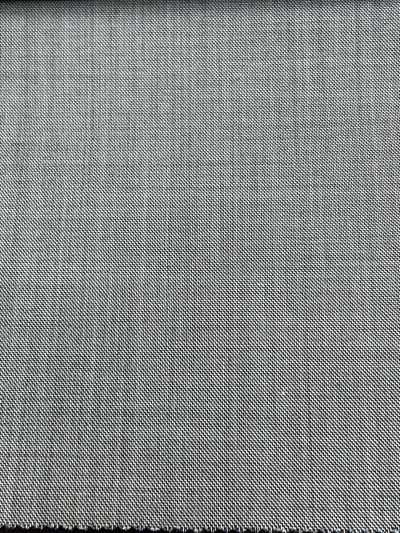
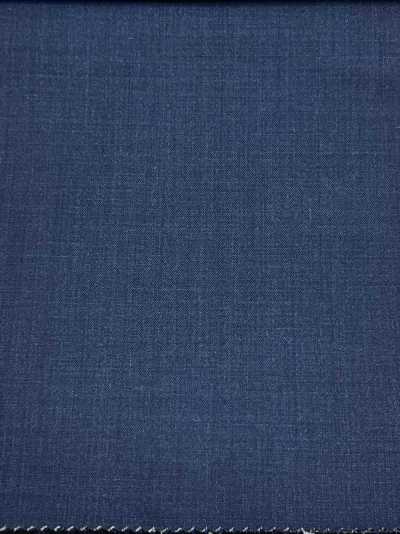
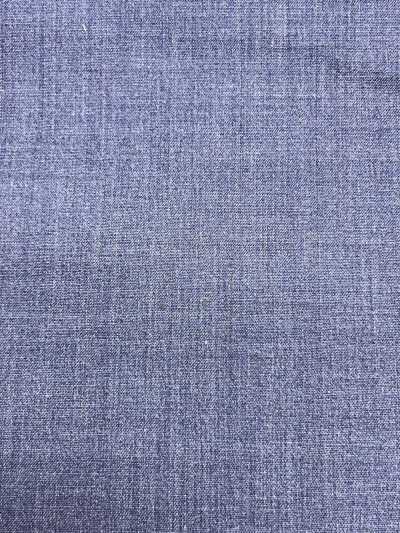
Shearing is a finishing process that uses blades to trim the fuzz and pile on the surface of fabric to a uniform length, improving the nap, luster, and evenness of the surface.
Contents6 sections
Definition and Overview
Shearing is a finishing process in which fuzz produced by brushing or loops in a pile structure are cut with the blades of a shearing machine to even out the length of the surface fibers. It is used for both woven fabrics and knits, and the finish varies depending on the material, structure, and pre- and post-processing.
In some cases, the pile is cut to create a hairy surface, while in others only excess surface fuzz is removed to smooth the surface. For this reason, the term shearing can refer to both the processing step and the finished state.
Texture and Appearance Characteristics
By making the pile height uniform, the surface takes on a smooth and neat appearance. In pile fabrics, the nap develops a direction, and the depth of color and sheen may look different depending on the viewing angle or the direction in which it is brushed.
Shearing that reduces excess fuzz helps eliminate surface bulk and makes patterns and weave structures easier to see. On the other hand, depending on the shearing depth and pile height, loft, warmth, and softness may change.
- Finishes that leave the pile height intact can be seen in velvet, corduroy, and similar fabrics.
- Finishes that even out fuzz are used for brushed wool fabrics and cotton textiles.
- The direction of the nap affects how color differences appear after cutting.
Main Applications and Seasons
Sheared pile fabrics are used for jackets, coats, pants, skirts, dresses, and interior applications. Depending on the pile length, density, and material, the look can be adjusted from elegant luster to a casual brushed feel.
Shearing of brushed materials with warmth is often seen in fall and winter clothing, but thin fabrics with short pile or smoothed fuzz are not limited to any particular season. When deciding on an application, check not only whether the fabric has been sheared, but also its fabric weight, thickness, stretch, and blend ratio.
Selection and Handling Notes
When selecting fabric, check the pile length and density, the direction of the nap, and changes in appearance after rubbing using the actual material. Even with the same color, different nap directions can create differences in depth and shade, so during cutting, align the direction of each part and consider cutting in one direction if necessary.
Shrinkage, pile flattening, fuzz shedding, and changes in luster due to washing or dry cleaning vary depending on the material and processing conditions. Before mass production, it is important to test according to the fabric care label and confirm shrinkage rate and appearance changes.
During sewing, the longer the pile, the more likely the fibers are to get caught in the seam allowance, and the more easily the stitching may become buried. Sew while smoothing the pile in the seam allowance, and when ironing, use a pressing cloth to avoid crushing the pile.
Differences from Similar Terms
Brushing is a process that raises fuzz and pile by pulling fibers out from the surface of the fabric. Shearing, by contrast, cuts the raised fuzz or pile to even out the length, and it may be combined as a step after brushing.
Singeing is a process that burns off short surface fuzz with heat to improve smoothness. It differs from shearing, which cuts fibers with blades. In addition, fulling is a process that shrinks and entangles wool and similar materials to make the structure denser, and its purpose differs from shearing, which is used to even out the pile.
Frequently Asked Questions
Are shearing and brushing the same process?
No, they are not the same. Brushing is a process that draws out fibers to raise fuzz and pile, while shearing is a process that cuts that fuzz or pile to make the length uniform. When shearing is done after brushing, the pile height becomes more even and it is easier to achieve a neat surface appearance.
What should be considered when cutting sheared fabric?
With fabrics that have a nap, if the cutting direction is mixed, the color and sheen may look different from one piece to another. Specify the nap direction on the pattern and arrange the body, sleeves, collar, and other parts in the same direction. Also consider the increased fabric consumption required.
Does sheared fabric shrink when washed?
The degree of shrinkage and appearance change depends on the type of fiber, structure, post-processing, and washing method. Changes may be especially noticeable in natural fibers and materials that also use brushing. Before mass production, confirm the shrinkage rate and nap using the intended washing method, and handle the fabric according to the care instructions.