Sandwashed Surface Weave
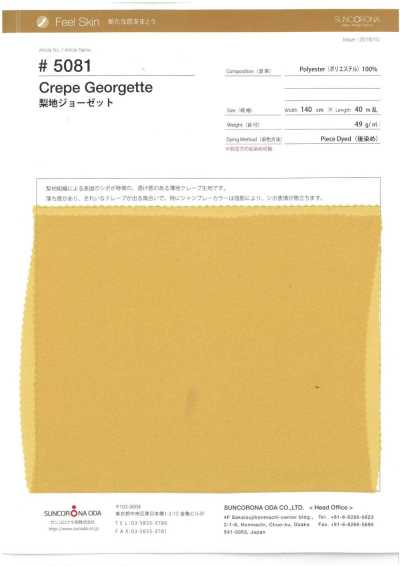
Sandwashed surface weave is a woven structure that gives the surface a fine, uneven, grainy texture like pear skin, or a general term for textile with such an appearance.
Contents6 sections
Definition and Overview
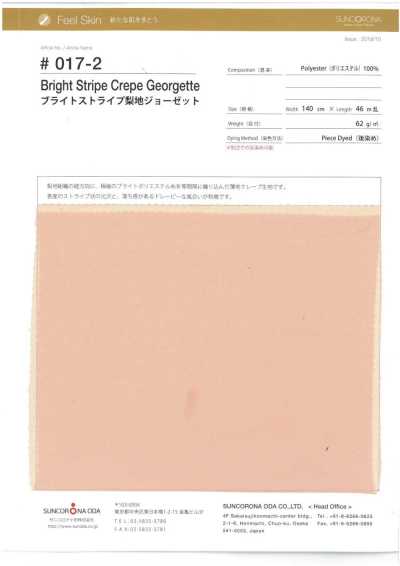
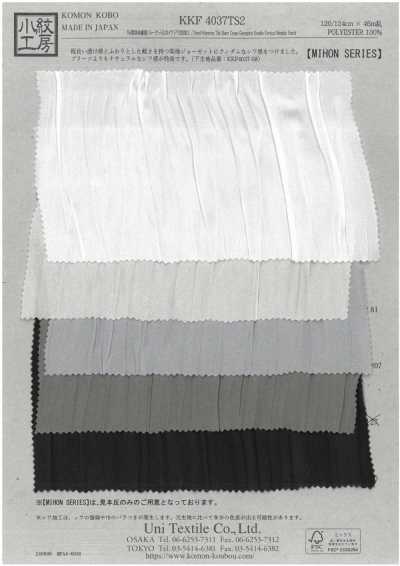
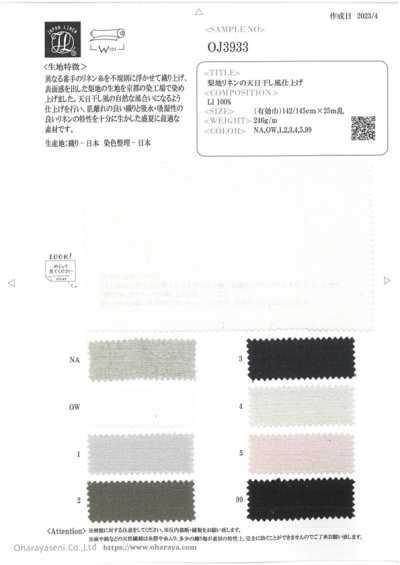
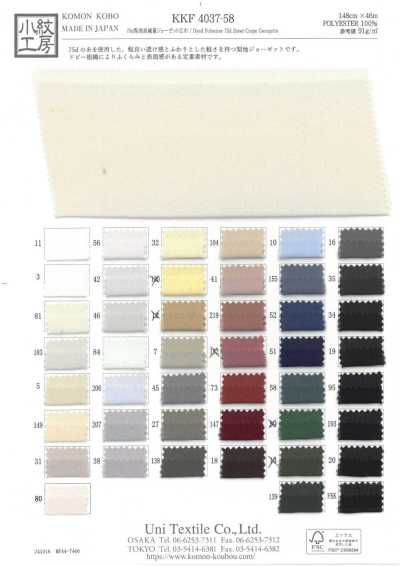
Sandwashed surface weave is a woven fabric characterized by a fine, irregular surface texture resembling pear skin. By combining texture created by the weave structure, twisted yarns, and yarns of different thicknesses or cross-sections, it produces a granular look with reduced sheen.
While sandwashed surface is used as a weave name, it is also used as a term to describe appearance and hand feel. For that reason, even fabrics with the same sandwashed surface name can differ in fiber type, thickness, sheerness, and back-side structure from fabric to fabric.
Texture and Function
Because of the fine grain on the surface, light is less likely to reflect in one direction, giving the fabric a calm, dimensional appearance. In synthetic fibers, it may soften strong sheen while creating a smooth, dry touch.
In lightweight fabrics, it is easy to take advantage of lightness and sheerness, while in medium-weight fabrics, the surface variation can add expression even to solid fabrics. However, firmness, drape, moisture absorption, and breathability are not determined by the weave structure alone; they vary depending on the material, yarn usage, density, and finishing process.
Main Applications
Sandwashed surface weave fabrics are used for blouses, shirts, skirts, dresses, and similar items. Sheer lightweight fabrics are suitable for layering and light garments, while medium-weight fabrics are suitable for jackets and formalwear, and for items where the surface texture should be visible.
Sandwashed surface made with polyester or nylon may be used for lightweight spring and summer clothing. On the other hand, depending on the material and fabric weight, it can also be suitable year-round or for fall and winter, so seasonality should be judged by checking the thickness and hand feel on a fabric swatch.
Selection and Handling Notes
When selecting, check not only the surface but also the back-side structure, sheerness, drape, and stretch in the grain direction. Some fabrics have different properties on the front and back, such as a sandwashed surface on the front and satin on the back, so also check the appearance of the seam allowance side and the ease of slipping with a prototype.
Shrinkage and dimensional change depend on the fiber type and finishing. Before cutting, if necessary, check relaxation and shrinkage rate, and follow the fabric-specific care label when deciding the product's washing method. For lightweight fabrics with prominent grain, take care not to damage the appearance with excessive pressing or high heat from an iron.
The uneven surface may make seam puckering and presser marks noticeable. Choose a fine needle and sewing thread suitable for the fabric, and confirm the sewing conditions in advance. For fabrics that are easy to see through, the color and thickness of the seam finishing, lining, and facings also affect the appearance.
Differences from Similar Terms
Crepe is a general term for fabrics characterized by a textured surface, typically created with highly twisted yarns. Sandwashed surface may have a crepe-like surface texture, but the term sandwashed surface also refers to an appearance focused on fine granular texture, so it does not always mean the same thing.
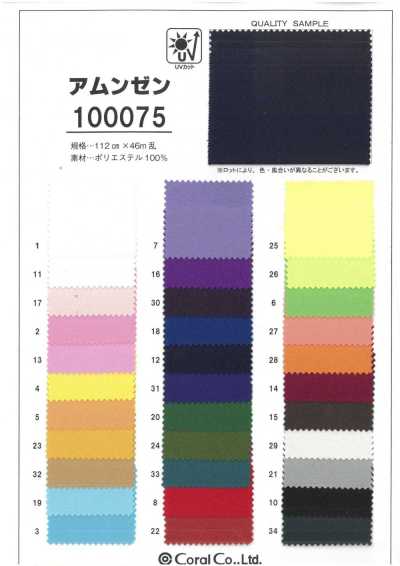
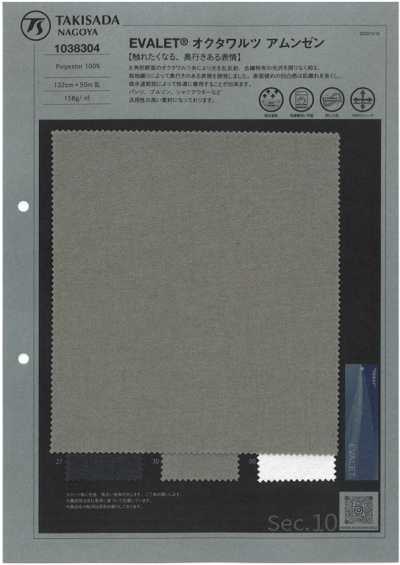
Amunzen is also treated as a woven fabric with fine irregularity, but it may be used more narrowly as a weave name than sandwashed surface. In addition, grain refers to the uneven texture on the fabric surface itself, while sandwashed surface refers to the look in which that grain resembles pear skin.
Frequently Asked Questions
Is sandwashed surface weave suitable for summer?
Lightweight, smooth sandwashed surface fabrics are easy to use for spring and summer clothing, but sandwashed surface weave itself does not determine the season. Warmth and the wearing season vary depending on the fiber type, fabric weight, density, sheerness, and back-side structure, so check a fabric swatch.
Does sandwashed surface weave shrink when washed?
The degree of shrinkage depends not on the sandwashed surface structure, but on the main fiber, yarn processing, dyeing, and finishing. Before mass production, it is important to check the shrinkage rate for each fabric, and for products intended for home washing, conduct washing tests and confirm the appearance after sewing.
What is the difference between sandwashed surface and crepe?
Crepe is often used as a general term for fabrics with a textured surface created by highly twisted yarns, whereas sandwashed surface refers to a fine granular surface like pear skin. However, in practice, some fabrics use both names, so the actual weave structure and hand feel should be checked on the physical material.