Amunzen
Amunzen is a woven fabric characterized by a sandwashed surface-like texture with fine irregular raised and recessed areas, a subdued luster, and moderate body and drape.
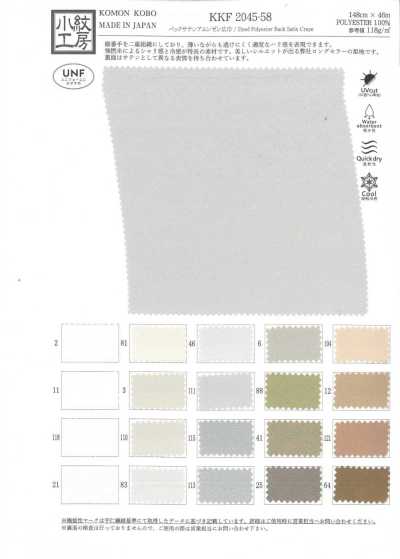
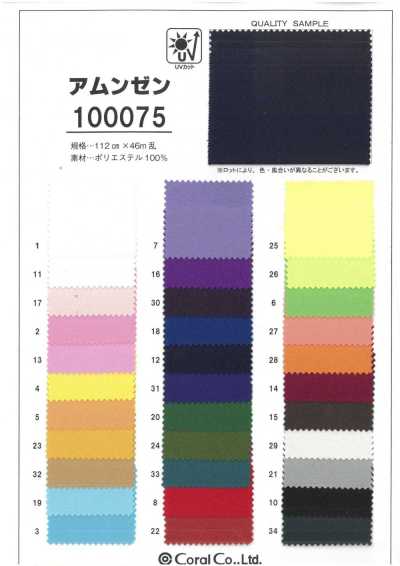
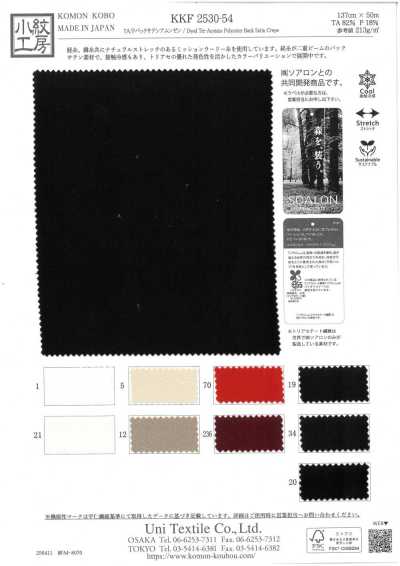
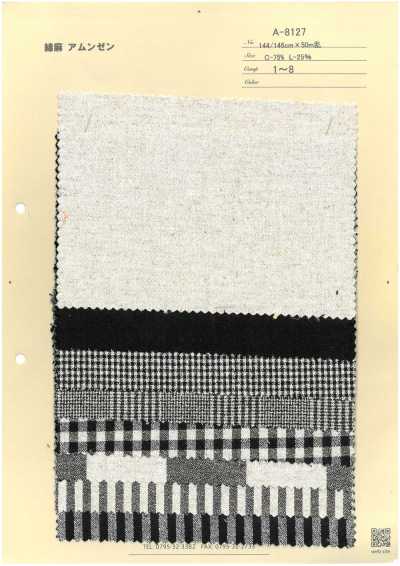
Contents6 sections
Definition and Overview
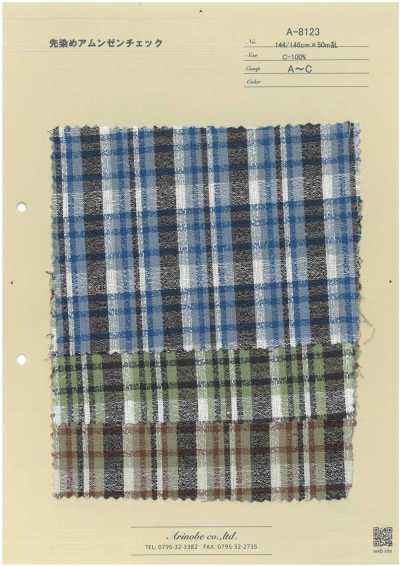
Amunzen is a woven fabric with a fine, irregular textured surface. Because its appearance resembles the skin of a pear, it is sometimes treated as a sandwashed surface fabric. Its look and thickness vary greatly depending on the yarn arrangement, weave structure, and finishing process.
The name is often used to refer to the fabric’s appearance and texture, and does not specify a particular fiber type. Polyester is commonly used, but the blend ratio and whether it has stretch must be checked for each product number.
Characteristics
Its fine texture makes light reflect more softly than on smooth fabric, giving it a calm, matte-leaning appearance. Even in solid colors, it is less likely to look plain, and it is characterized by its refined feel and easy surface variation.
It ranges from lightweight to medium-weight, and while it generally has drape, it tends to hold its shape better than georgette. However, firmness, sheerness, and softness vary depending on thickness, density, and fiber used.
- Pear-like appearance from the fine textured surface
- Calm luster and refined impression
- Easy to add character even in solid colors
- Stretch, wrinkle resistance, and sheerness vary by material and specification
Main Applications
It is used for polished garments such as blouses, shirts, skirts, and dresses. Making use of its moderate drape, it is also suitable for designs with gathers, tucks, and flare. Medium-weight types may also be used for jackets and pants.
Lightweight types are chosen for spring and summer blouses and dresses, while medium-weight types are selected for year-round sets and formal use. Do not judge sheerness or warmth from the name alone; check the fabric weight, blend ratio, and weave structure when planning.
Selection and Handling Notes
When selecting, check the size and uniformity of the texture, thickness, sheerness, drape, and stretch on the actual fabric. Light-colored, lightweight fabrics are prone to show through, so consider using a lining or layered construction. Depending on the product’s intended use, it is also important to check seam strength and resistance to seam slippage.
Before cutting, align the grain and, if necessary, carry out a hot water treatment or sample wash to confirm shrinkage. Depending on the material, heat may change the texture or luster, so use a pressing cloth when ironing and test the conditions at low temperature on an inconspicuous area first.
Because the surface has texture, pressure marks and press marks may be noticeable during sewing. Choosing a fine needle and thread suitable for the fabric, and checking in advance with a test seam for waviness from feeding and seam puckering, is recommended. Follow the care label for washing methods according to the fiber composition and finishing.
Differences from Similar Terms
Georgette is a woven fabric characterized by fine texture from highly twisted yarns and a thin, light feel. Amunzen also has texture, but it is generally distinguished as having more thickness and firmness than georgette. However, there is a wide range in market usage of the name.
Crepe is a general term for fabrics with texture created by twisting or finishing. Amunzen may be regarded as one type of fabric with a crepe-like surface. Sandwashed, on the other hand, is a term that describes the appearance of the surface and does not uniformly define the weave or material.
Frequently Asked Questions
Which season is amunzen suitable for?
Because it ranges from lightweight to medium-weight, the season is not determined by the name amunzen alone. Lightweight types are used for spring and summer blouses and dresses, while medium-weight types are used year-round for skirts, pants, and jackets. Choose by checking fabric weight, sheerness, and blend ratio.
Can amunzen be washed at home?
Whether it can be washed depends not on the name amunzen, but on the fiber composition, dyeing, finishing, and product specifications. Caution is especially needed when it contains rayon or when shape change is a concern. Always check the fabric care instructions and the product care label.
What should be noted when sewing amunzen?
With lightweight fabrics, pay attention to seam puckering, waviness from feeding, needle holes, and pressure marks. Adjust needle size, thread, thread tension, and presser foot pressure with test stitching, and use interfacing for lightweight fabrics or paper if necessary. Pre-shrinking before cutting and confirming pressing conditions in advance are also important.