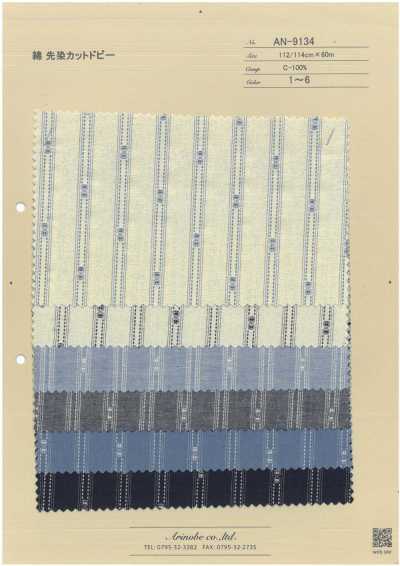
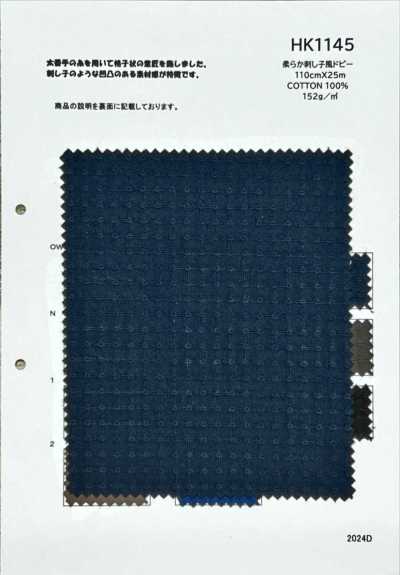
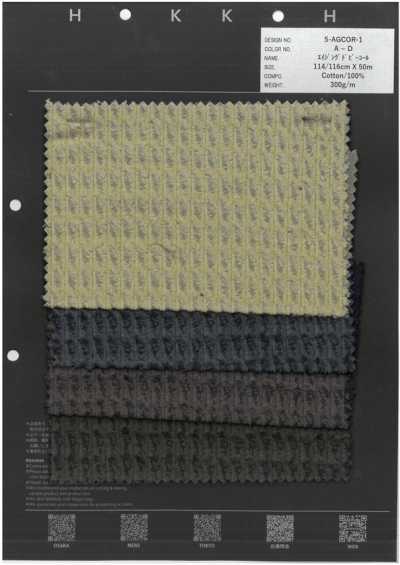
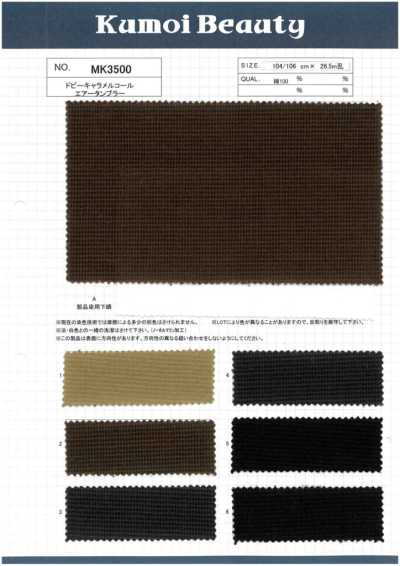
Dobby
Dobby is a fabric, or a weaving method, that uses a dobby mechanism to control the raising and lowering of warp threads to create small geometric patterns and woven designs.
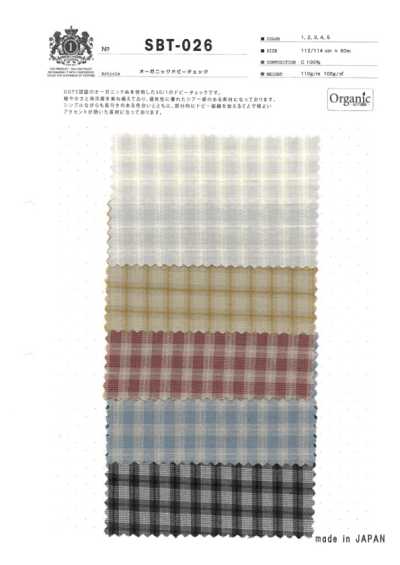
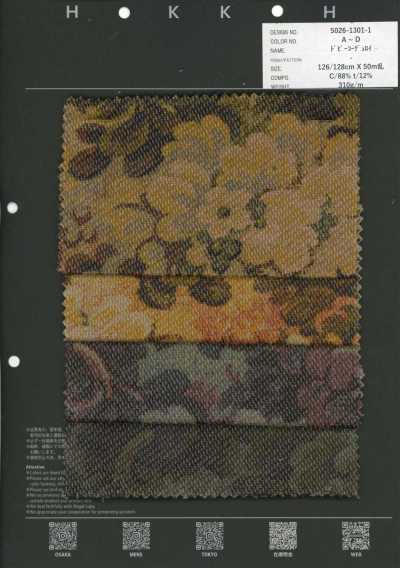
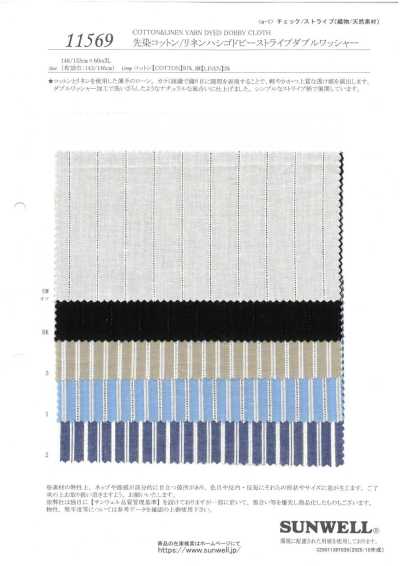
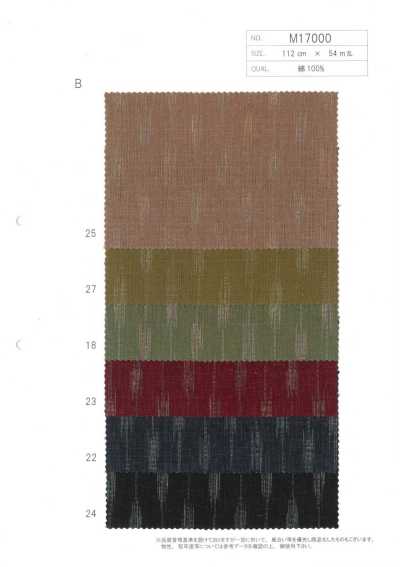
Contents6 sections
Definition and Overview
Dobby is a weaving technique that uses a dobby attachment on a loom to selectively change the movement of the warp yarns, creating woven patterns within the ground weave. It is used to express relatively small, repeating patterns such as stripes, checks, dots, and diamonds.
“Dobby” does not refer to a type of fiber; it is a term for a weave structure or woven pattern. Therefore, it is used for textiles made from various materials and yarn usage, including cotton, linen, polyester, and rayon.
Features
Unlike prints, the pattern appears through the rise and fall of yarns and changes in the weave structure, creating subtle shading depending on the viewing angle and how light hits the fabric. Even when it looks close to solid, it can add depth and character to the surface.
The thickness, firmness, breathability, and drape of the textile vary greatly depending on the material, yarn thickness, density, and basic weave structure. Being dobby woven does not by itself guarantee specific performance such as absorbency or stretch.
Main Applications
Its delicate woven patterns are used for shirts, blouses, dresses, skirts, jackets, pants, and linings for apparel textiles. By adjusting the pattern size and material, it can be used for looks ranging from casual to neat and more formal.
Lightweight dobby with a cool feel is used for spring and summer clothing, while versions with higher density and fabric weight are used for autumn and winter shirt fabrics and outerwear applications. In interiors and miscellaneous goods, it is sometimes used as a textile with more texture than solid fabrics.
Selection and Handling Notes
When selecting, check not only the woven pattern but also the composition, fabric weight, density, sheerness, thickness, and stretch along the grain. For light-colored, textured patterns and lightweight fabrics, it is important to confirm the yarn floats on the reverse side, sheerness, and the appearance of seam allowances using a sample.
For fabrics where yarn floats long due to the weave structure, care is needed to avoid snagging. In sewing, confirm the pattern direction and the left-right appearance, and set needle, thread, and sewing conditions suited to the textile to prevent seam puckering.
Shrinkage and changes in hand after washing depend on the material and finishing process. Do not judge from a roll sample alone; before mass production, check washing tests, sewing tests, and whether pattern matching is possible, and handle according to the care label instructions.
Differences from Similar Terms
Jacquard is also a technique that expresses patterns through weaving, but it is generally better suited to larger and more complex designs than dobby. The distinction between the two depends on the scale of the pattern and loom specifications, so usage terms in distribution can vary.
Plain weave, twill weave, and satin weave are basic weave structures that show how warp and weft yarns cross. Dobby creates patterns by combining or varying these structures, so it is sometimes described as plain weave dobby or twill weave dobby.
Frequently Asked Questions
How is dobby weave different from Jacquard?
Both are methods of expressing patterns through weaving, but dobby is often used for relatively small, repeating patterns such as stripes and small motifs. Jacquard is suited to larger and more complex patterns. However, the boundary of the terms varies depending on loom specifications and industry practice.
Does dobby fabric shrink when washed?
The degree of shrinkage is not determined by the name of the weave structure dobby; it varies depending on the material such as cotton or linen, density, dyeing and finishing, and washing conditions. Before product development, it is important to check the fabric specification’s shrinkage rate and conduct tests that match the actual washing conditions.
What should be noted when sewing dobby fabric?
If the pattern has a direction, check the cutting direction and left-right pattern matching. Also, in lightweight fabrics or structures with yarn floats, needle holes, snagging, and seam shrinkage can become noticeable. Test the needle, thread, and seam conditions on a scrap piece and decide on the appropriate settings.