Satin
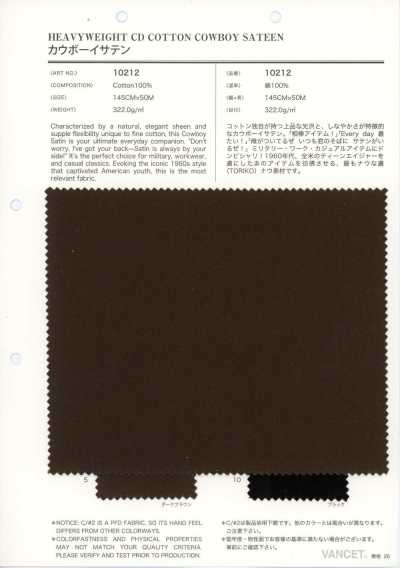
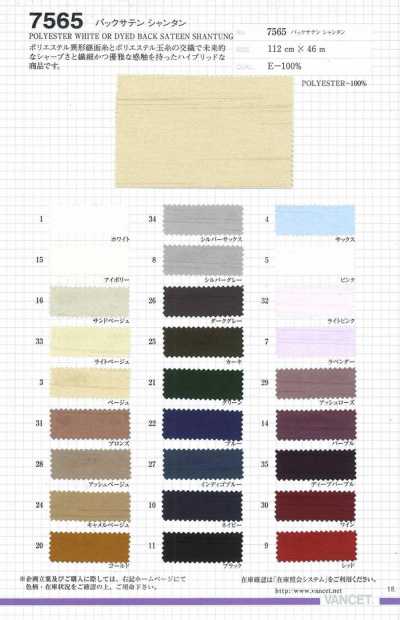
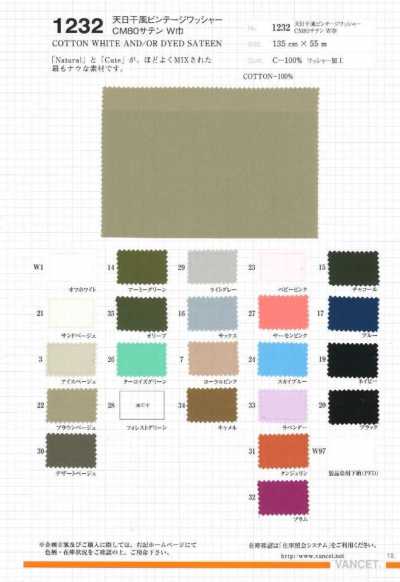
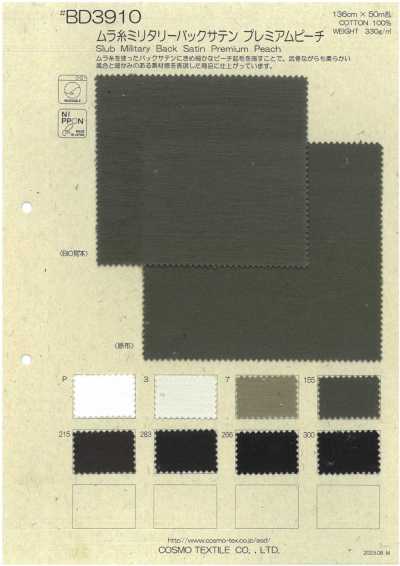
Satin refers to a woven fabric, or more broadly the fabric itself, based on satin weave in which warp or weft threads float long on the surface, and characterized by a smooth surface and luster.
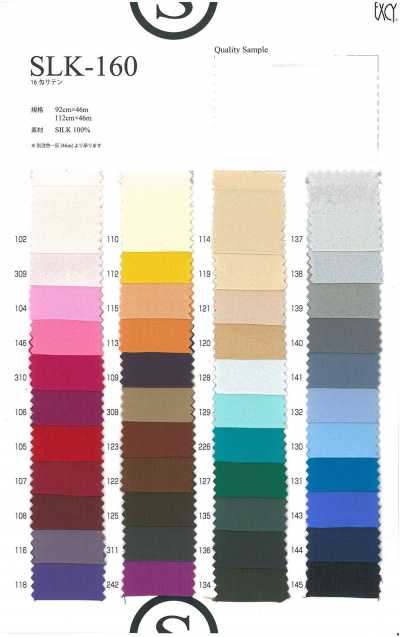
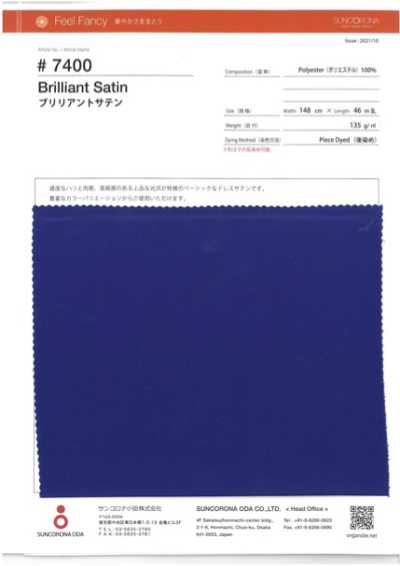
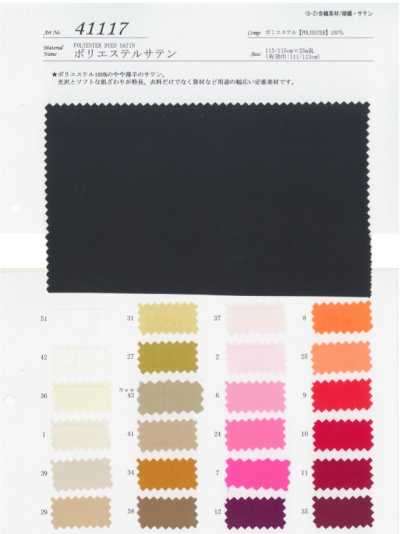
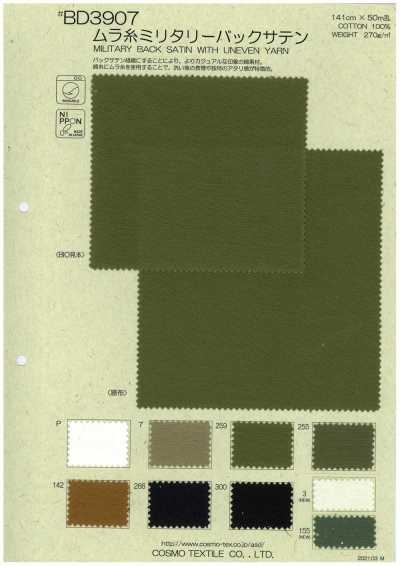
Contents6 sections
Definition and Overview
Satin is generally a term for textile made by satin weave, or for satin weave itself. Because the structure leaves yarn floating over the surface for long spans, one side develops a continuous sheen and smoothness. It is not a material name, so its properties differ depending on the fiber used, such as silk, polyester, or rayon.
In satin weave, it is divided into warp satin and weft satin depending on whether the warp yarn or weft yarn is brought more often to the surface. In practice, satin weave as a structure name and satin as a textile name may be used in a similar sense.
Features
When it catches the light, the surface reflects smoothly, making it easy to create an elegant luster and graceful drape. Those made with filament yarn tend to have a particularly even surface appearance, while those made with spun yarn may have a relatively soft, subdued look.
On the other hand, the long floating yarns can snag easily, and friction may make damage and fuzzing noticeable. On thin fabrics, puckering around seams and needle holes, and on dark colors, fading may stand out, so it is important to check not only the sheen but also thickness, density, and the condition of the reverse side.
Main Applications
It is used for garments that make use of sheen and drape, such as dresses, blouses, skirts, lingerie, and formal wear. In addition to the outer fabric, it is also sometimes used as lining for jackets, coats, and bags.
Applications vary depending on the material and fabric weight. Thin, supple types are suited to lightweight garments and linings, while heavier types with body are suited to dresses and decorative items. Seasonality is determined by the type of fiber, thickness, and finish.
- Dresses and costumes that require a glamorous appearance
- Lingerie and nightwear that prioritize skin feel and smoothness
- Lining that takes advantage of good slipperiness
How to Choose and Handling Precautions
When selecting, check not only the composition but also the strength of the sheen, drape, fabric weight, sheerness, stretchability, and care tag. Even with the same satin, silk has a delicate sheen, while polyester has a relatively easy-to-handle sheen, so the texture and care method differ by material. Before mass production, conduct sewing tests and washing tests on the actual textile.
During cutting, the textile is slippery, so align the grain and be careful of shifting when cutting multiple layers. Choose a fine needle and yarn suitable for the textile, and check for seam puckering and seam drawing. Wash and iron according to the care tag, and avoid snagging, strong friction, and shine caused by high heat.
Differences from Similar Terms
Satin weave is one of the basic textile structures along with plain weave and twill weave. Satin is a name that often refers to satin-weave textile, but in distribution it is also used as a name for textiles with a sheen. If you want to confirm the structure, check whether it is satin weave in the specification sheet or textile standard.
Taffeta is generally a textile characterized by body, resilience, and a crosswise crisp feel, and it tends to differ from satin's smooth surface and drape. Velvet is a textile with pile, and even when it has sheen, it is distinguished from satin by the three-dimensional feel created by the pile.
Frequently Asked Questions
Is satin a material name?
Satin is mainly a name that indicates the weave or appearance of the textile, and it is not a material name. It is made from silk, polyester, rayon, cupro, and others. Because moisture absorption, strength, wrinkling, and washing methods differ by composition, it is important not to judge quality by the name satin alone.
What should you be careful about when sewing satin textile?
Satin can be slippery, and needle holes and seam drawing may stand out easily. During cutting, prevent shifting and confirm the needle, yarn, and seam settings with a test stitch. Use a pressing cloth when ironing, and adjust the temperature to the composition and care tag. It is also important not to rub the surface strongly.