Tunnel Shank
A tunnel shank is a button shank shape with a tubular or bridge-like passage on the back of the button for passing sewing thread through, allowing the button to be attached without showing stitching holes on the front surface.
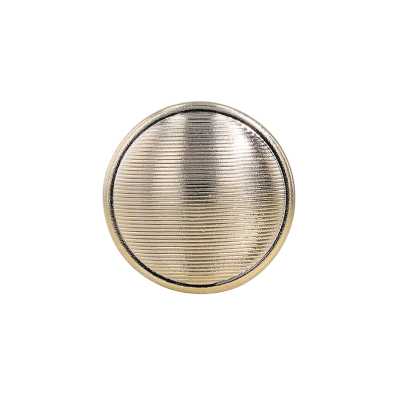
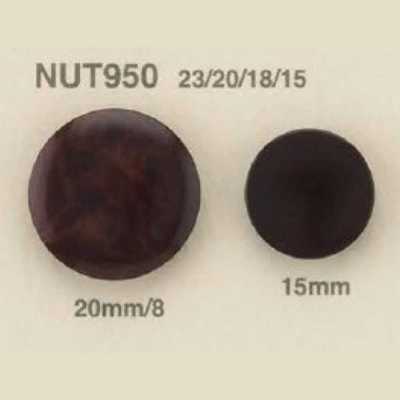
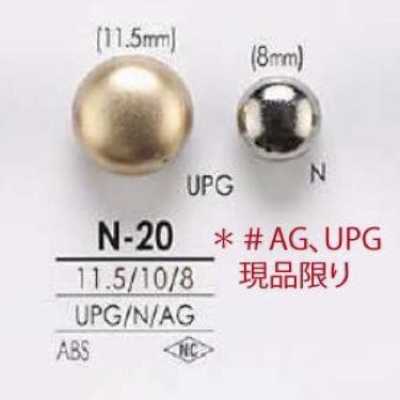
Contents6 sections
Definition and Overview
A tunnel shank is a shank attached by passing sewing thread through the elongated passage provided on the back side of the button. Since no through-holes such as two-hole or four-hole buttons appear on the front, it gives the design surface a clean look. It is also characterized by the space it creates under the shank to accommodate fabric thickness.
“Tunnel” is a name derived from the fact that the part through which the thread passes looks cylindrical or arched. However, because the shape name and cross-section of the shank may vary by manufacturer or region of production, check the thread direction and shank dimensions using the actual sample or specification drawing.
Materials and Structure
The button body of a tunnel shank button is made from a variety of materials, including polyester resin, urea resin, nut, shell, and metal. The shank may be molded integrally with the body or attached as a separate part, and the strength at the base, weight, and suitability for washing and dry cleaning vary depending on the material and manufacturing method.
Typical buttons with holes are sewn by passing thread from the front through the holes, but a tunnel shank uses only the passage on the back side. While a ring shank is a loop-shaped shank made by bending wire, a tunnel shank is often a passage with width, which affects how the thread settles and the stability during sewing.
- It is structured to avoid showing sewing holes on the surface.
- The width and height of the thread passage affect the thickness of the sewing thread and ease of threading the needle.
- The shank height should be checked according to the thickness of the fabric used and the bulk of the buttonhole.
Size Expression and Applications
Button size is expressed by outer diameter in mm, and may also be expressed in lignes. Lignes are a customary unit used for buttons; in purchase orders and specifications, clearly stating whether the size is given in lignes or mm helps prevent size mix-ups. The shank height and the internal dimensions of the tunnel must also be checked separately.
They are used for jackets, coats, dresses, blouses, and similar items where the decorative appearance of the surface is important. For heavy fabrics, a button with an appropriately high shank is easier to fit into the buttonhole, while for lightweight fabrics, a shank that is too high can make the button look like it is floating, so selection should match the fabric thickness and front opening construction.
Attachment Method and Handling Precautions
When sewing on, pass the thread through the tunnel and, if necessary, make a thread shank so the button does not sit too tightly against the fabric. A thread shank is a process that creates a thread stem between the button and the fabric. Considering the thickness when passing through the buttonhole, confirm the shank direction, sewing thread color, and attachment strength in a prototype before mass production.
Resistance to washing, dry cleaning, and ironing cannot be judged from the shank shape alone; it depends on the material of the button body and surface treatments such as dyeing and plating. Strong impact may cause the shank to crack, deform, or come off. Do not apply a hot iron directly; handle according to the product labeling and accessory care conditions.
- In washing tests, check for cracking, chipping, discoloration, changes in gloss, and looseness of the shank.
- For dry cleaning, confirm in advance the suitability of the material and surface treatment for the solvent.
- During pressing, consider using a pressing cloth or button shield so that pressure does not concentrate on the button.
Differences from Similar Terms
Shank button is a broad term referring to buttons in which thread is passed through a shank on the back side. Tunnel shank is one type of such shank shape, characterized by a cylindrical or bridge-like passage. Therefore, a tunnel shank is included in shank buttons, but not all shank buttons are tunnel shanks.
A ring shank refers mainly to a loop-shaped shank made from metal wire or similar material. A parachute shank may refer to a shank shape that stands on multiple support points. Do not determine material or strength by name alone; use each appropriately by checking the attachment method, the direction of the passage, and compatibility with the buttonhole.
Frequently Asked Questions
Can tunnel shank buttons be attached by machine?
Whether this is possible depends on the width of the passage, shank height, button stability, and the specifications of the button-attaching machine used. Please confirm that the needle and thread pass properly through the tunnel and that the button does not rotate or tilt after sewing. In mass production, it is important to carry out sewing tests on the actual machine.
Do tunnel shank buttons need a thread shank?
For heavy fabrics, overlapping plackets, or bulky buttonholes, a thread shank may be used to create the necessary clearance between the button and the fabric. On the other hand, if the thread shank is too large on lightweight fabrics, the button will sit away from the fabric, so adjust according to fabric thickness, shank height, and buttonhole thickness.
Are tunnel shanks and ring shanks the same?
Both are types of shank buttons that make it difficult to show sewing holes on the surface, but they do not mean the same thing. A tunnel shank refers to a cylindrical or bridge-like passage, while a ring shank generally refers to a looped-up shank. Since actual shapes may vary in terminology, confirm with drawings or the actual product.