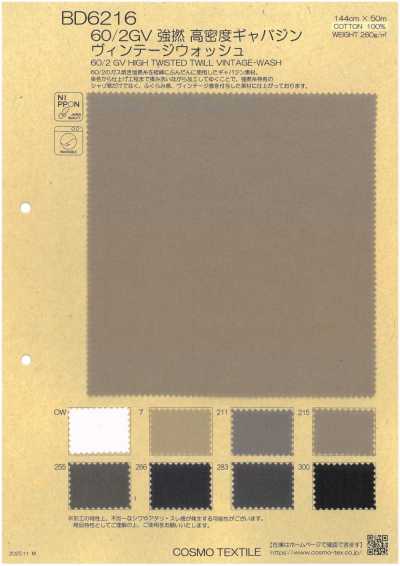
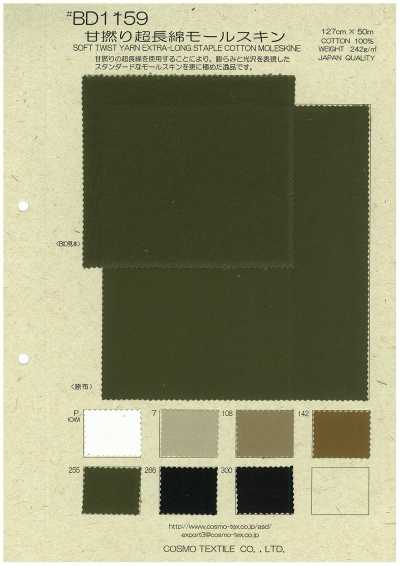
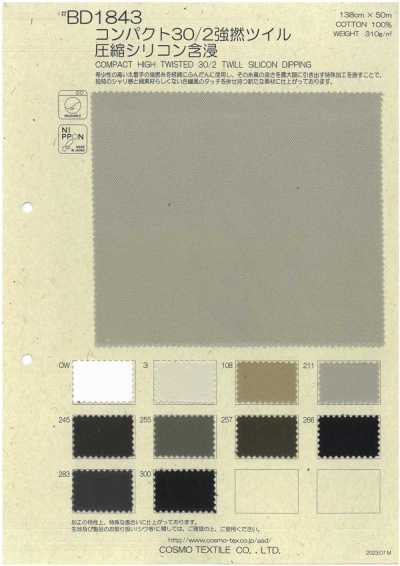
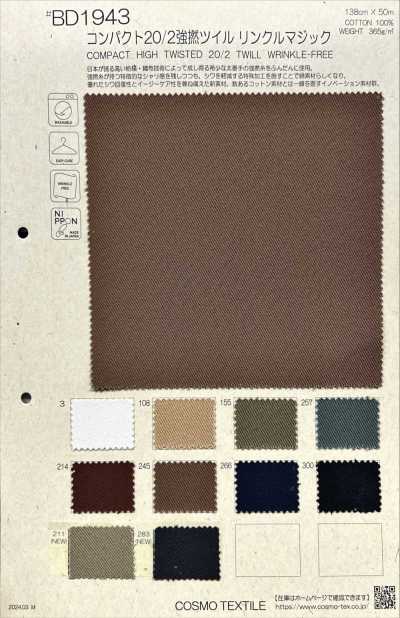
Twist
Twist refers to spirally twisting fibers or single yarn together, or to the degree and direction of that twist, and is a factor that affects the strength, texture, surface appearance, and stretch of yarn and textile.
Contents6 sections
Definition and Overview
Twist is the twisting used when making yarn by bundling short fibers together or by combining multiple single yarns into one yarn. The degree of twist is shown as twist count, and the direction is mainly expressed as S twist or Z twist. It is a specification related to the yarn structure, separate from the material name or yarn count.
Twist appears not only in yarn, but also in the look and feel of textile and knit fabrics after they are made. Depending on the combination of twist direction and twist strength in the warp and weft, smoothness, texture, and the tendency to skew may change.
Effects on Hand, Function, and Appearance
In general, increasing twist makes the yarn tighter, suppresses fuzz, and tends to create a dry, crisp hand. On the other hand, because the fibers hold less air, softness and loft may be reduced depending on the material and structure.
Yarns with relatively little twist are good for bringing out loft and softness, but it is necessary to check for fuzzing and pilling caused by friction. High-twist yarns are used to create a cool touch and an expressive surface with fine texture.
Twist direction affects how the yarn looks, and in sewing thread it is also related to twisting during sewing and how thread breakage occurs. In fabric, if torque from the twist remains, it may appear as skew or twisting after washing.
Main Applications
Twist design is relevant to a wide range of apparel textiles, including shirts, blouses, dresses, knits, suits, uniforms, and towels. Especially for spring and summer, it may be used to achieve a dry touch and breathability through high twist.
For autumn and winter, low-twist yarns or fancy yarns may be used to express loft, softness, and a warm appearance. However, seasonal suitability is not determined by twist alone; it should be judged together with the material, density, structure, and brushing.
Selection and Handling Notes
When selecting a fabric, check not only the twist count and twist direction, but also the fiber type, yarn count, whether it is single yarn or double yarn, the weave or knit structure, and the finishing process. In the planning stage, it is important to evaluate touch, sheerness, drape, and durability using actual swatches or prototypes.
Materials with residual torque from twist may cause parts to twist during cutting or sewing, or seams to ripple. It is safer to align the grain before cutting and carry out testing and wash checks assuming shrinkage and skew before and after sewing.
Changes in shrinkage and hand due to washing cannot be predicted by twist alone. In particular, natural fibers and high-twist materials may change appearance depending on the washing and drying method, so check the care label and the handling conditions from the fabric supplier.
Differences from Similar Terms
Twist count is an index showing the number of twists applied over a fixed length. While twist broadly refers to the twisting itself, twist count is a numerical specification used to manage and compare the degree of twist.
Twist direction is the direction of the yarn's twist. S twist and Z twist are distinguished by the slant in appearance, and this is different from the strength of the twist. Also, high-twist yarn is the term for yarn with strong twist, and does not refer to twist in general.
Frequently Asked Questions
Are yarns with a higher twist count stronger?
Increasing the twist count may tighten the yarn, reduce fuzz, and contribute to strength and abrasion resistance. However, strength also depends on the fiber type, fiber length, yarn count, and whether it is single yarn or double yarn. A higher twist count does not always mean stronger yarn, so a comprehensive check based on the application is necessary.
Does fabric made with high-twist yarn shrink when washed?
Shrinkage cannot be judged from high-twist yarn alone. The amount of shrinkage varies depending on the fiber properties, weave or knit structure, dyeing and finishing, and washing and drying conditions. In addition, texture and surface irregularity may become more noticeable after washing. Before mass production, carry out a trial wash and check the dimensions and appearance.
Are S twist and Z twist important when choosing fabric?
In ordinary fabric selection, material, structure, fabric weight, and hand are often checked first. However, they become important when specifying fabrics that create texture through twist, such as crepe, sewing thread, or combinations of twisted yarns. If twisting or skew is a concern, the twist direction should also be confirmed as part of the specification.