Pile Height
Pile height refers to the length of fibers or loops rising from the surface of pile woven or knitted fabrics and brushed textiles, and is a factor affecting appearance, texture, warmth, and ease of handling during sewing.
![1500 Craft Fur [Palette Mouton]](/img/item/thumb/OKURA/1111535_t2.jpg)
![ON-121 Craft Fur [Nutria]](/img/item/thumb/OKURA/1089773_t2.jpg)
Contents6 sections
Definition and Overview
Pile height refers to the length of the raised fibers formed on the surface of a textile. In pile fabrics, it means the length of loops or cut pile; in brushed textiles, it may refer to the length of the fiber layer raised by brushing the surface.
Pile height is not the name of a fabric structure, but a property that indicates surface appearance. Even in the same pile or brushed material, the appearance and hand feel of the pile height vary greatly depending on the raw material, density, nap direction, and finishing.
Effect on Hand and Function
In general, the longer the pile height, the easier it is to create loft, softness, and a three-dimensional look, and variations in shade become more visible depending on the light and the direction of the nap. Because it tends to trap air between fibers, it can also contribute to warmth.
Textiles with a short pile height tend to look relatively neat on the surface, and changes in the nap are less noticeable. Do not judge absorbency or warmth only by pile length; also check the material, density, base structure, and finish.
Main Applications
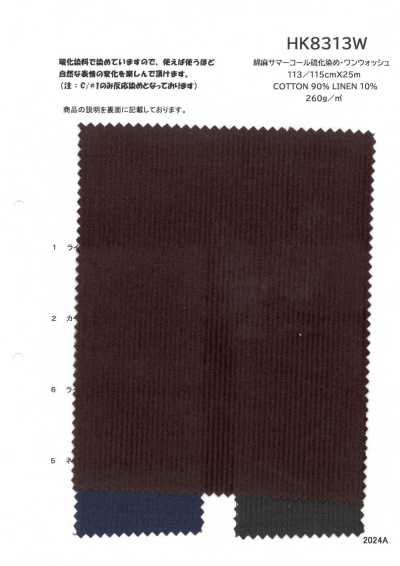
Short-pile fabrics are used for towel fabrics, cut-and-sew items, roomwear, and similar products. Depending on thickness and material composition, some are easy to use throughout the year.
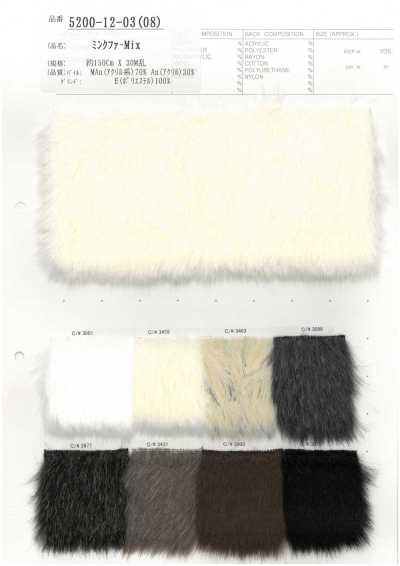
Long-pile fabrics are used for boa fleece, faux fur, shaggy-style textiles, and outerwear or miscellaneous goods that make use of a brushed look. They are easy to give a voluminous appearance and are often chosen for autumn and winter collections.
Selection and Handling Notes
When planning, check not only the measured pile height but also density, shedding, nap direction, and thickness after cutting using swatches. With long pile, the appearance may vary like a color difference depending on the direction, and the look may differ from area to area.
During cutting, align the nap direction and keep the cutting direction consistent within the same product. During sewing, the pile can easily get caught in the seam allowance, so care is needed, such as sewing while keeping the pile away. Textiles with pile tend to have thicker seam allowances, so consider the finishing method according to the specification.
Washing and drying may disturb the nap or cause the fibers to tangle. Depending on the material and processing, shrinkage or changes in hand may also occur. Follow the care label instructions, and before mass production, conduct washing tests and appearance checks in the finished product state.
Differences from Similar Terms
Pile refers to a structure or the fabric itself with loops or cut pile formed on the surface. By contrast, pile height is an expression of the state or dimension of the raised portion, including the pile.
Brushed refers to a process in which the fibers on the textile surface are raised by brushing. The length of the raised fibers created by brushing may be called pile height, but pile height itself is not the name of a process. Nap refers to the fine fibers that appear on the yarn or textile surface, and is a term that describes a finer surface condition than pile height.
Frequently Asked Questions
Is a longer pile height warmer?
Textiles with a longer pile height may trap air between the fibers more easily and provide a sense of warmth. However, actual warmth also depends on the material, density, thickness of the textile, the structure of the back side, and the garment specifications. Do not judge warmth only by pile height; it is important to check the finished product.
What should be noted when cutting textiles with pile height?
Because the appearance of color and sheen changes depending on the nap direction, keep the direction consistent for each part. Especially with long pile, the fibers may shift during cutting, making dimensions harder to see. Specify the direction on the swatch and pattern, and check the front and back as well as the nap direction before cutting.
What is the difference between pile height and nap?
Pile height refers to the length of the raised portion intentionally formed on the surface by pile or brushing. Nap refers to the fine fibers that extend from the surface of yarn or textile. Nap is not necessarily an intended surface effect, and it may increase or decrease through use or friction.
![NT-1180 Craft Fur [Chinchilla]](/img/item/thumb/OKURA/1089740_t2.jpg)
![NT-1200 Craft Fur [Organic Cotton Pile Boa Fleece]](/img/item/thumb/OKURA/1089791_t2.jpg)
![NT-7030 Craft Fur [Baby Alpaca Blend Sheep]](/img/item/thumb/OKURA/1089766_t2.jpg)