Velvet
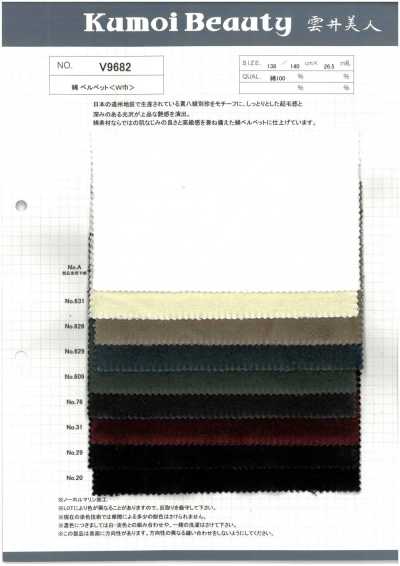
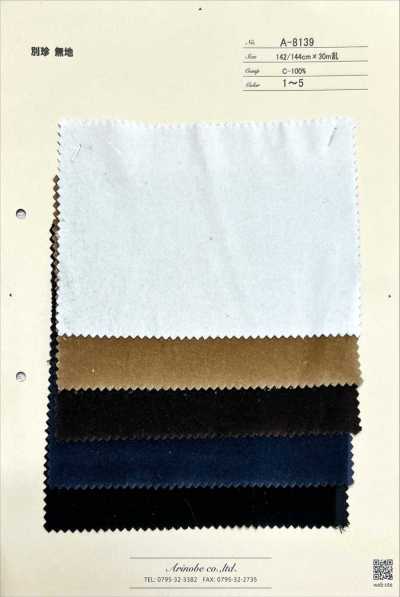
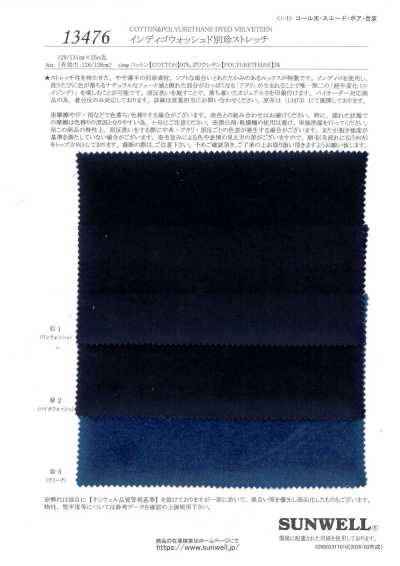
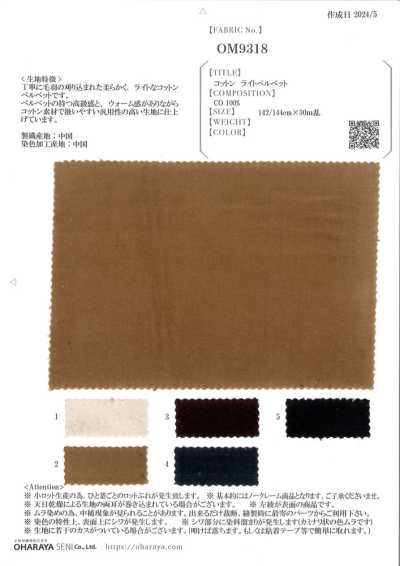
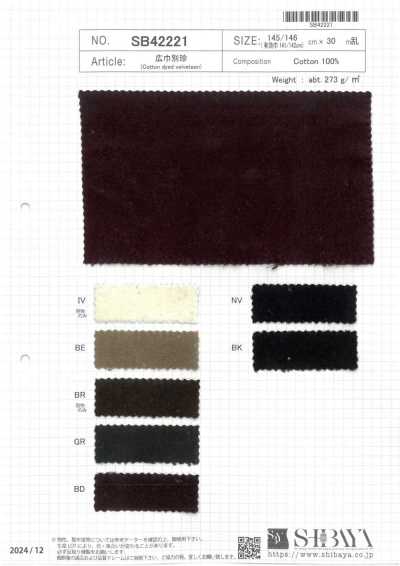
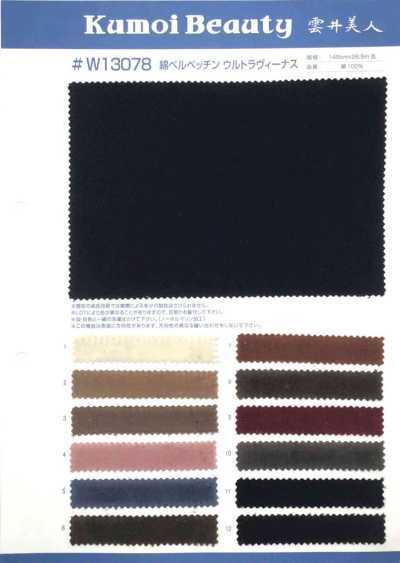
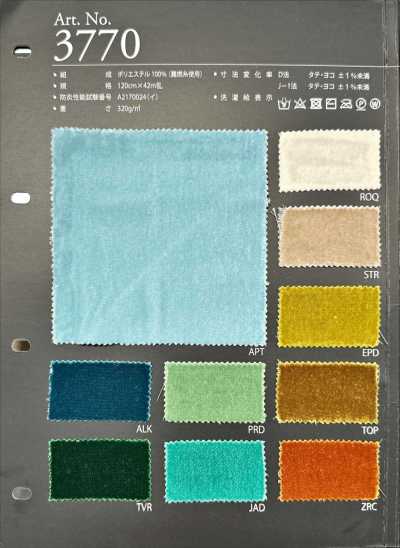
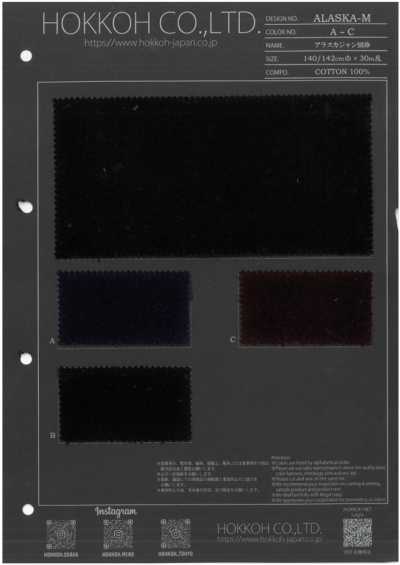
Velvet is a pile fabric, or a knitted fabric with the same texture, made by trimming short pile that stands up from the ground cloth to create a smooth nap and a deep luster.
Contents6 sections
Definition and Overview
Velvet is a fabric that creates a soft touch and directional shading through short, dense pile covering the surface. Traditionally, it refers to a woven fabric in which pile is inserted and cut open, but knitted fabrics with a similar appearance are also sold today.
Depending on pile length, density, material, and the structure of the ground cloth, the degree of sheen, drape, thickness, and stretch can vary greatly. Materials such as polyester, rayon, cotton, and silk are used, and they are selected according to applications.
Features
Because the nap changes light and dark depending on the angle at which it catches the light, deep color and rich expression are especially pronounced in dark colors. It easily creates a smooth, elegant impression and is often used for dressy designs and stage costumes.
The pile surface is easily affected by friction and pressure, so pressure marks, crushed nap, and partial differences in sheen may occur. Also, because the appearance changes depending on the cutting direction and handling during sewing, it is important to align the nap direction.
- In the direction where the pile lies down, the color tends to appear darker.
- In the direction where the pile is raised, it tends to reflect light and appear brighter.
- Knitted velvet may have more stretch than woven velvet.
Main Applications
It is used for jackets, dresses, skirts, pants, formal wear, dresses, stage costumes, and more. Depending on the material and thickness, it is also used for fall and winter outerwear, and for interior applications such as bags, hats, and cushion covers.
Shiny, lightweight to medium-weight types are suited to dresses and costumes, while matte, substantial types are suited to jackets and bottoms. Stretch types may be easier to handle for body-hugging dresses, tops, dance costumes, and similar items.
Selection and Handling Notes
During planning, confirm whether it is woven or knitted, the pile direction, stretch, thickness, sheerness, and the state of the reverse side. Since the appearance changes with the nap even in the same color, it is important to match the fabric allowance and set a rule to keep everything in one direction before cutting.
When cutting, to avoid scratching the pile surface or leaving pressure marks, methods such as avoiding layered cutting or working with fewer layers are used. During sewing, consider basting or using a walking foot to stabilize the pile surface, which tends to slip. Pressing seam allowances firmly with an iron can easily leave marks, so caution is needed.
Washing methods vary depending on the composition and finishing, so always check the care label and test results for each textile. In general, avoid strong friction that damages the nap and high-temperature pressing. Because shrinkage, color transfer, and pile distortion can occur with water washing, conduct washing and sewing tests before mass production.
Differences from Similar Terms
Velour is used as a general term for fabrics with a napped, lustrous appearance similar to velvet, but in general it often refers to stretch knits such as pile knits. However, in commercial usage, the names for both may overlap.
Corduroy is a woven fabric in which the pile is cut into ridges to create vertical wales. Its surface feel differs from velvet, which has a uniform nap across the entire surface. Satin, on the other hand, is characterized by the smooth sheen of satin weave and has a different structure from velvet, which gains its sheen from pile.
Frequently Asked Questions
Why is the nap direction of velvet important when cutting?
With velvet, the reflection of light changes depending on the pile direction, so the same color can appear lighter or darker. If the direction is mixed across each garment part such as the front body or sleeves, it can look like a color difference, so the basic rule is to check the direction on the fabric and cut all garment parts in the same direction.
Can velvet be ironed at home?
Pressing with an iron can crush the pile and create shine or pressure marks. Prioritize the care label on the textile, and if necessary, test from a low temperature on an inconspicuous area using a method that does not directly compress the pile.
Are velvet and velour the same?
They have a similar appearance, but they are not strictly the same. Velvet originally refers to a pile woven fabric, while velour often refers to a pile knit, so velour tends to have more stretch. However, usage of the names varies in distribution.