Fulling
Fulling is a process that mainly entangles wool through moisture, heat, and mechanical action to make the structure denser and give the fabric thickness, warmth, and a resilient hand.
Contents5 sections
Definition and Overview
Fulling is a process that uses the scaly structure called scales on the surface of wool fibers. Through the action of moisture, heat, detergents, and mechanical action such as rubbing and compression, the fibers are entangled with one another, causing the textile to shrink and become denser.
A key feature is that, even after processing woven fabrics or knits, the original structure remains to some extent. It differs from felt, which is made by entangling fibers directly without a structure, in terms of the manufacturing process and whether a base fabric is used.
Characteristics and Resulting Texture
Fulling gives the textile a compact structure with loft and firmness. As the surface fuzz covers the structure, the weave becomes less visible, and it may have a smooth or slightly matte appearance.
Because the density increases, warmth retention and wind resistance generally improve. On the other hand, compared with the fabric before processing, the width and yardage become smaller, and thickness, firmness, and drape vary greatly depending on the raw material, structure, and degree of fulling.
- The stronger the degree of fulling, the less visible the structure and pattern tend to be.
- When blended with fibers other than wool, check the fulling effect and differences in shrinkage in advance.
- Brushing is a process that raises fuzz, while fulling is a process that entangles fibers to make the textile denser.
Main Applications
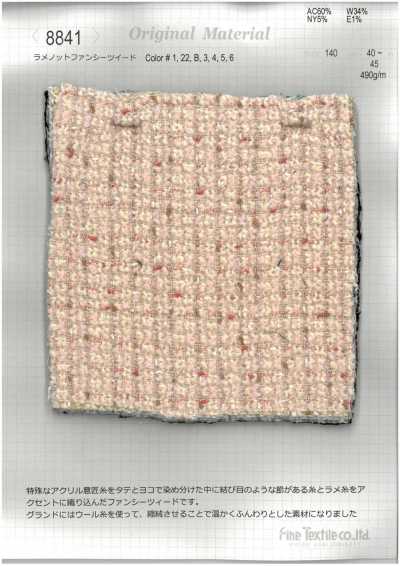
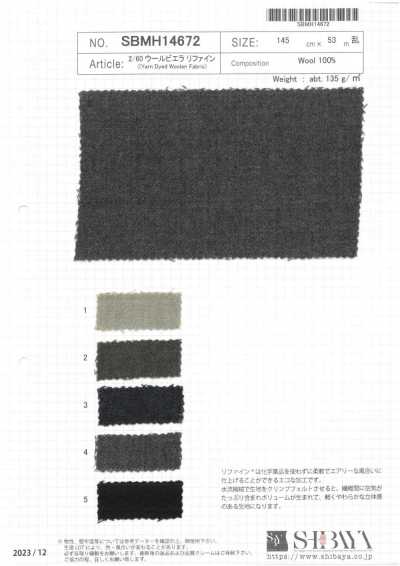
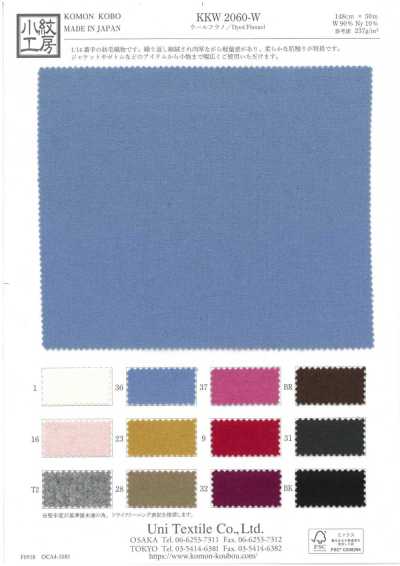
Fulled textiles are used for coats, jackets, blousons, skirts, pants, and other items for autumn and winter, taking advantage of their warmth and firm appearance. They are also suitable for items such as hats and bags that require moderate thickness and self-support.
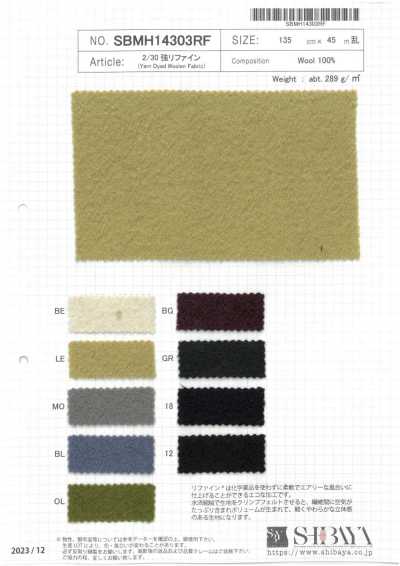
Melton is often treated as a wool textile that has been strongly fulled, and is characterized by a uniform, dense surface. However, fulling is the name of a process, not a fabric name or weave name itself like melton.
Selection and Handling Notes
When selecting, check the post-processing fabric width, fabric weight, thickness, firmness, and the condition of the fuzz, and determine whether it suits the warmth retention and silhouette required for the application. In particular, it is important to confirm the cutting yardage using finished dimensions that reflect shrinkage from processing.
Additional shrinkage or changes in texture may occur due to washing, wetting, or friction. Follow the product's care label and confirm in advance whether home washing is possible, whether dry cleaning is suitable, and the ironing conditions.
In sewing, consider differences in thickness and overlapped seam allowances. Because seams can sink easily and the surface may flatten or become shiny under strong pressing pressure, it is reassuring to perform sewing and pressing tests using offcuts.
Frequently Asked Questions
What is the difference between fulling and felt?
Fulling is a process that shrinks and densifies woven fabrics or knits through the entanglement of mainly wool fibers. Felt generally refers to a material made by entangling fibers without forming a structure. However, felting may be used in a broader sense that includes fulling.
Can fulled textiles be washed at home?
Since this varies depending on the material composition, degree of fulling, and sewing specifications, it cannot be judged uniformly. When wool is the main material, moisture, heat, and friction may cause further shrinkage. Be sure to check the product's care label, and during planning and production, confirm dimensional and appearance changes through washing tests.
What should be considered when sewing fulled textiles?
The textile may be thick, and marks and seams may be hard to see because of the fuzz. Match the needle, thread, presser foot pressure, and seam allowance thickness to the textile, and use test sewing to check for puckering and sinking seams. During pressing, adjust the pressing cloth and steam volume to prevent the pile from being crushed or becoming shiny.