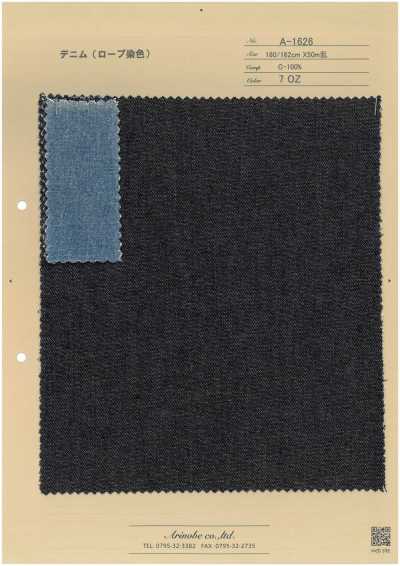
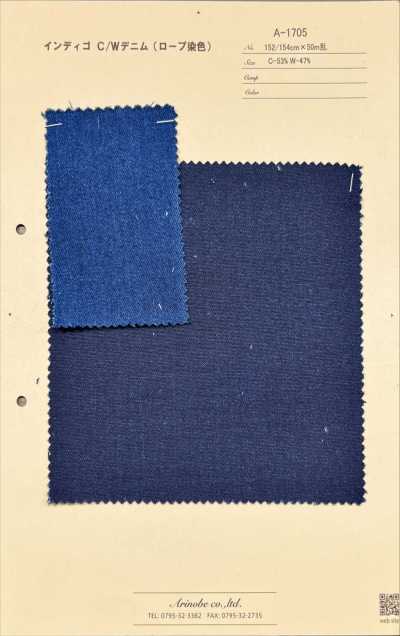
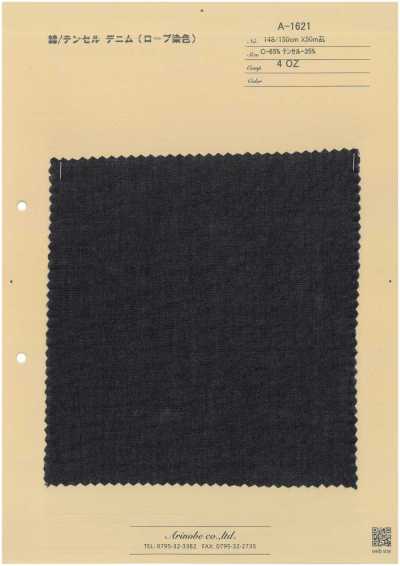
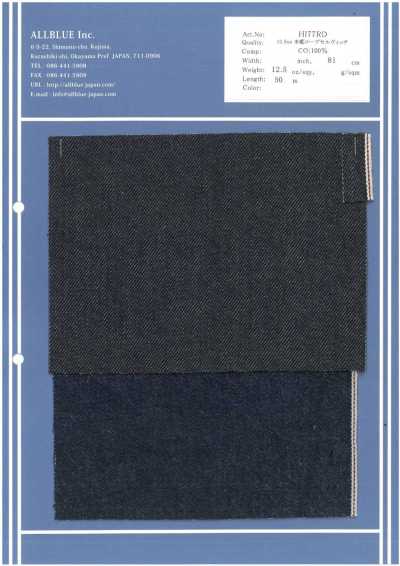
Rope Dyeing
Rope dyeing is a yarn-dyeing method in which mainly cotton threads are bundled into rope-like skeins and repeatedly dyed and oxidized to create the distinctive shading and aging effects seen in denim and similar fabrics.
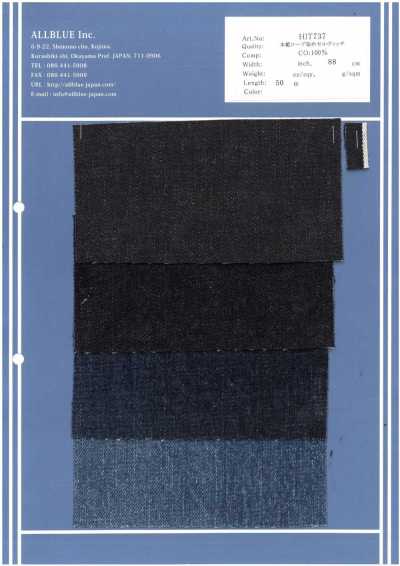
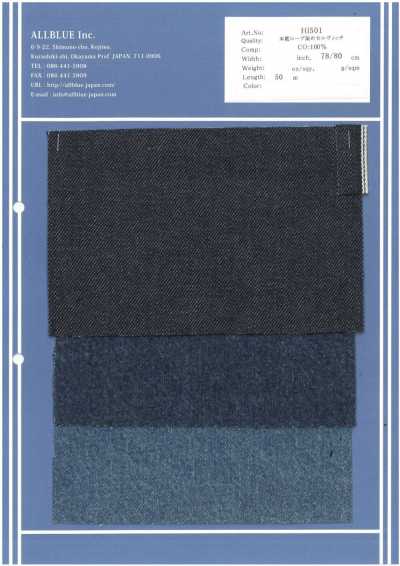
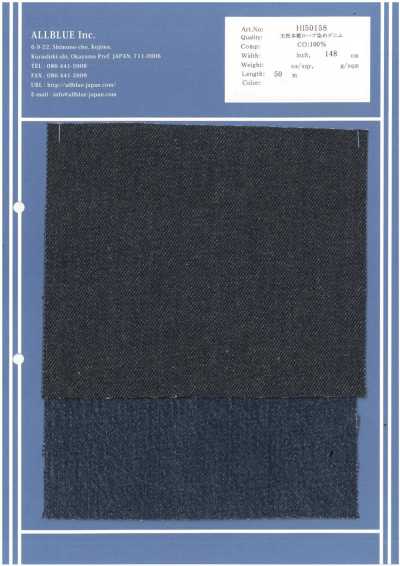
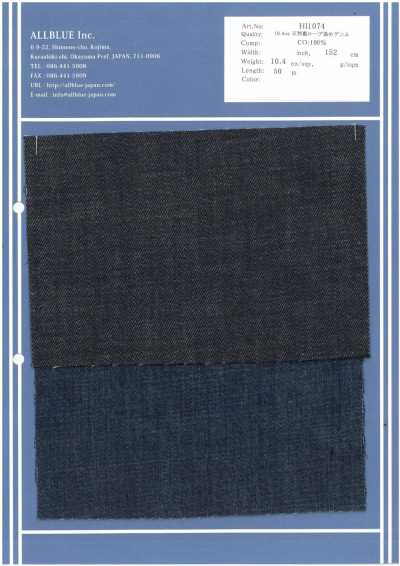
Contents6 sections
Definition and Overview
Rope dyeing is a yarn-dyeing method in which many yarns are bundled into a rope-like hank, then repeatedly immersed in dye liquor and oxidized by exposure to air. It is especially often used for denim warp yarns, and is a type of yarn dyeing in which the yarn is dyed before weaving.
Typically indigo is used, and the surface of the yarn is dyed in layers. Unlike dyeing whose main purpose is to let dye penetrate evenly to the inside of the yarn, its defining feature is that color is built up mainly on the surface.
Characteristics
Rope-dyed yarn tends to develop a dark color on the surface while the center of the yarn remains white. Due to friction and washing during wear, the surface color gradually fades, making it easier for light and dark tones to appear around seams, knees, pockets, and similar areas.
Depth of color, irregularity, and changes in appearance through washing vary depending on the number of dyeings, the dye, the type and twist of the yarn, and post-processing. For this reason, rope dyeing does not refer to a textile weave structure or thickness, but strictly to a dyeing method performed mainly at the yarn stage.
Main Applications
Rope-dyed yarn is used for twill denim, as well as denim shirts, jackets, workwear, skirts, bags, and more. It is suitable for items that want to make fading and the changes in appearance from wear part of the design.
Denim is used year-round, but suitable seasons and applications vary depending on the fabric weight, weave density, and finish. From the fact that it is rope-dyed alone, you cannot judge properties such as warmth retention, breathability, or stretch.
Selection and Handling Notes
During planning, confirm not only the hue but also wash fastness, rub fastness, shrinkage after washing, and the degree of color transfer using fabric swatches and test results. Even with the same rope dyeing, fading and dimensional change differ depending on the lot, fabric specification, and whether wash processing is applied.
Dark indigo fabrics may transfer color to light-colored clothing, bags, chairs, and similar items through friction, whether dry or wet. The first wash should be done separately, and follow the care label. Prolonged soaking or strong friction may cause unintended fading or fading marks.
In sewing, take into account the possibility that color may transfer to light-colored accessories and work surfaces during cutting and sewing. Needle holes and presser marks from resewing may stand out, so confirm sewing conditions in advance and, if necessary, carry out a sewing test before full production.
- When controlling shrinkage, check whether the fabric has been pre-shrunk at the fabric stage or one-washed.
- When product washing is performed, also check color differences and color transfer with sewing thread, interlining, and accessories.
Differences from Similar Terms
Indigo dyeing can refer broadly to dyeing that uses indigo. Rope dyeing, on the other hand, refers to the method of dyeing yarn bundled into a rope shape. Not all indigo dyeing is rope dyeing.
Yarn dyed refers to the overall process of dyeing yarn before weaving or knitting. Rope dyeing is included within yarn dyed. Denim is generally the name of a woven fabric that uses dyed warp yarn and white weft yarn, and is distinguished from rope dyeing, which refers to the dyeing method itself.
Frequently Asked Questions
Does rope-dyed denim always fade?
The way fading appears varies depending on the dye, dyeing conditions, yarn, fabric structure, finish, wearing frequency, and washing method. Rope dyeing is a method that makes it easier to create fading from the surface, but not every product develops the same depth, contrast, or rate of change.
Does rope-dyed fabric need to be washed before sewing?
Whether it is necessary depends on the shrinkage rate of the fabric, whether the final product will be washed, and the size specifications. Unwashed cotton denim may change dimensions after washing, so it is important to carry out washing tests in advance and decide the process, including hot-water treatment and straightening, as part of the specifications.