Heat Retention
Heat retention is the ability of clothing or textiles to retain warm air around the body and reduce heat loss caused by outside air, thereby maintaining warmth while worn.
Contents6 sections
Definition and Overview
Insulation is not a property that causes the textile itself to generate heat, but a performance that retains air between fibers and fabric layers, reducing the loss of heat from the body to the outside. Material, structure, thickness, whether it is brushed, and the way layers are combined all relate to it comprehensively.
Warmth as clothing is not determined by the textile’s insulation alone. Since the feeling of warmth also changes depending on how much wind passes through, how much room there is inside the clothing, whether there is a lining or quilt batting, and the wearing environment, it is important to evaluate it according to the intended application.
Characteristics and Fabric Structure
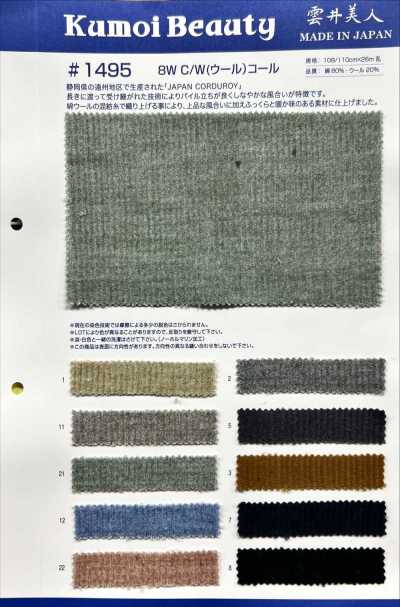
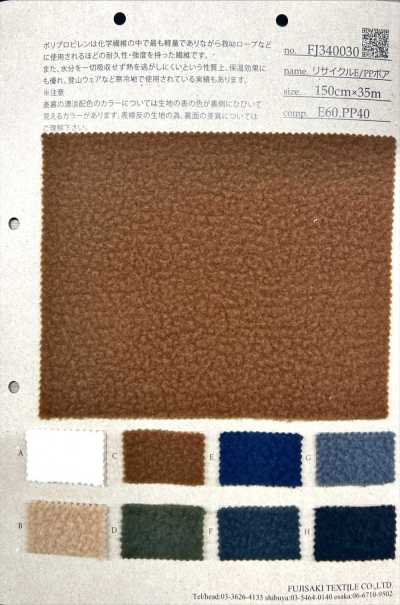
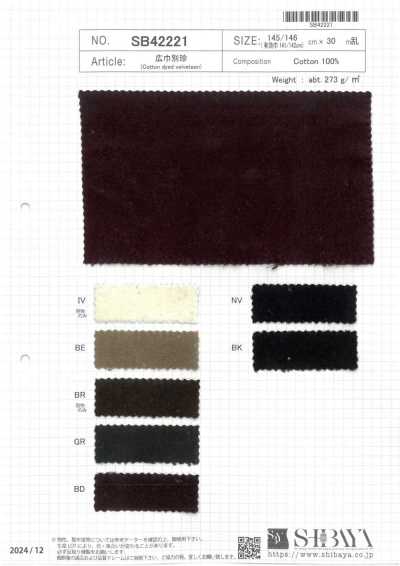
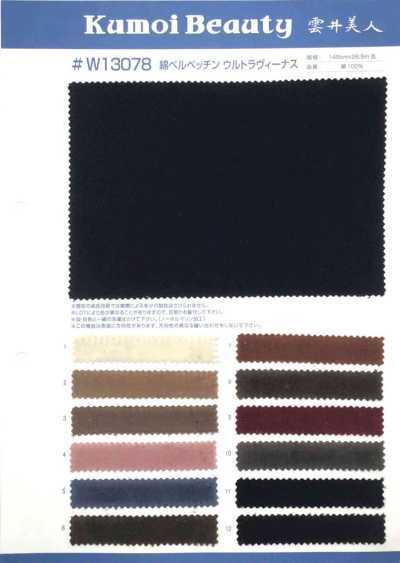
In general, textiles that are bulky and easily create air layers tend to provide insulation more easily. Textiles with fuzz on the surface or back, such as brushed, pile, boa fleece, and fleece, are materials that can more easily express a soft appearance and a warm texture.
Animal fibers such as wool and cashmere are materials that can easily provide insulation by taking advantage of their fiber properties and bulk. On the other hand, polyester and acrylic can also be designed to hold air depending on thickness, cross-sectional shape, brushing, and knitting structure.
Thick, dense textiles may be less likely to let heat escape, but thicker does not necessarily mean warmer. A structure that contains a lot of air and a structure that is less permeable to wind are considered together with the desired lightness and ease of movement.
Main Applications
Textiles that emphasize insulation are used for autumn and winter coats, jackets, blousons, pants, skirts, dresses, and more. Brushed materials and double-layer knits are also used for casual wear, loungewear, and kids’ wear.
For outdoor wear and cold-weather sports clothing, insulation may be combined with light weight, breathability, wind resistance, and quick-drying performance. For underwear, moisture absorption and quick-drying absorbency are also checked to maintain the temperature inside the clothing while preventing chills from sweat.
How to Choose and Handling Precautions
When selecting a textile, do not judge only by material name or thickness; check the bulk when actually touched, how easily air passes through, the finish on the reverse side, and how it slides when layered. Processing and lining that improve wind resistance contribute to warmth, but care must also be taken to balance this against the tendency to trap moisture.
Brushed textiles and wool-blend textiles may change in nap, surface feel, and dimensions due to washing and friction. It is reassuring to check the washing care label and shrinkage rate in advance, and to carry out washing tests before productization. Whether or not tumble drying can be used also depends on the material and processing.
In bulky textiles, thickness can concentrate at seam allowance areas, causing steps or sewing misalignment. Match the needle, thread, presser foot pressure, and seam finishing to the textile, and adjust the seam allowance as needed. For textiles with pile, also make sure the pile direction is consistent before cutting.
Differences from Similar Terms
Insulation is the performance of maintaining warmth, and it is different from moisture-absorbing heat generation. Moisture-absorbing heat generation is an idea that uses the heat produced when moisture is absorbed, whereas insulation is characterized mainly by reducing heat loss through air layers.
Wind resistance is the performance of reducing the intrusion of cold wind. While higher wind resistance tends to lead to a warmer feel, by itself it is a different performance from insulation, which retains air layers. It is designed together with the balance of breathability and moisture permeability.
Frequently Asked Questions
Are highly insulating textiles thick textiles?
Being thick is related to insulation, but thickness alone is not enough to judge. Brushed or pile structures that contain air between fibers, bulky yarns, and double-layer structures may make it easier to achieve warmth even when relatively light. Also check wind resistance and garment design.
Do insulation and moisture-absorbing heat generation mean the same thing?
No, they do not mean the same thing. Insulation is the performance of retaining the warm air inside clothing and suppressing heat loss. Moisture-absorbing heat generation refers to the property of using heat generated when moisture is absorbed. Some textiles combine both characteristics.
What should be noted when sewing brushed textiles?
It is basic to align the pile direction between parts and check it before cutting. Because pile length and thickness may cause sewing misalignment, seam allowance steps, and presser marks, adjust the needle, thread, presser foot pressure, and seam finishing through test sewing.