Indigo Dyeing
Indigo dyeing is a dyeing method that uses dye derived from indigo or synthetic indigo to dye fibers and yarn blue, and is characterized by changes in lightness and darkness through wear and washing.
Contents5 sections
Definition and Overview
Indigo dyeing is a dyeing process that uses blue indigo. Because indigo is not easily soluble in water in its original form, it is reduced and made soluble during dyeing, then the fiber is impregnated with the dye and exposed to air to oxidize and develop color. It may use natural indigo or synthetic indigo.
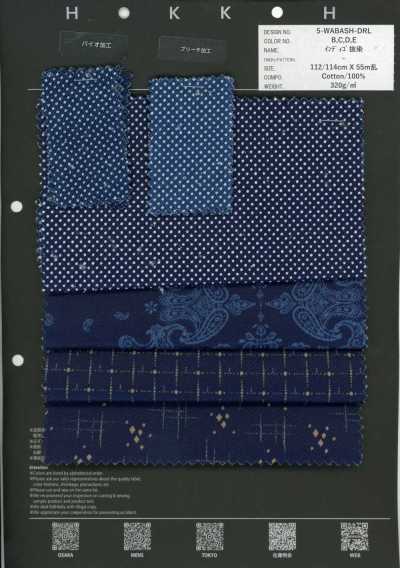
Cotton is the most common dyeing target, but indigo dyeing itself does not refer to a fabric structure or a specific variety. Depending on whether the dyeing is done at the yarn stage or at the textile or product stage, the resulting color, surface feel, and appearance after sewing will differ.
Features and Appearance
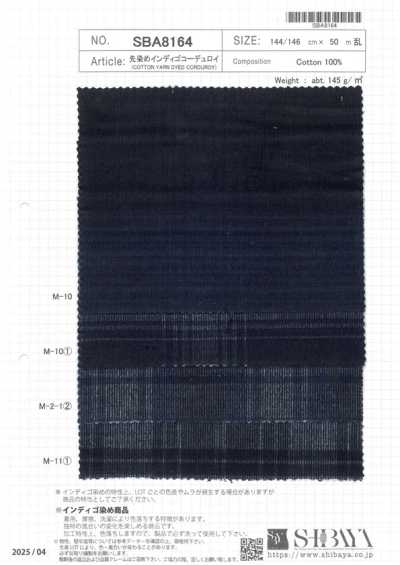
Indigo tends to adhere to the surface of the fiber, and the color changes gradually through friction, washing, sunlight, and other factors. Areas that are easily subjected to friction, such as seams, folds, and pocket openings, develop light and dark variations, which is a characteristic that allows the fabric to develop character over time.
In dark shades, it appears as a deep blue, and with washing and wear, lighter blue or whitish areas emerge. However, the degree of color fading varies depending on dyeing conditions, material, weaving density, and finishing. Indigo dyeing itself does not provide functions such as water absorbency or heat retention.
Main Uses and Related Textiles
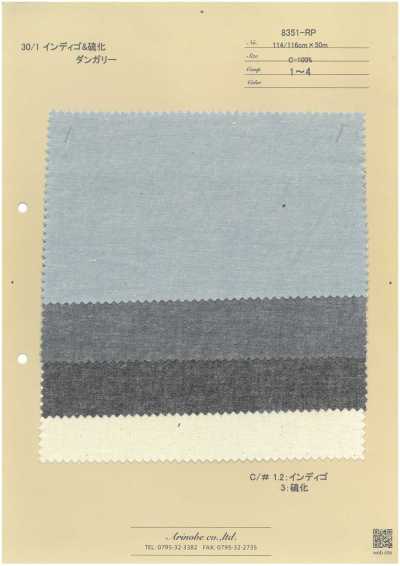
One widely known example is the use of indigo-dyed yarn for the warp of denim, and it is used for jeans, jackets, workwear, bags, and more. It is also used for chambray, dungaree, shirting, knits, and other items, making it suitable for a wide range of products from lightweight to heavyweight.
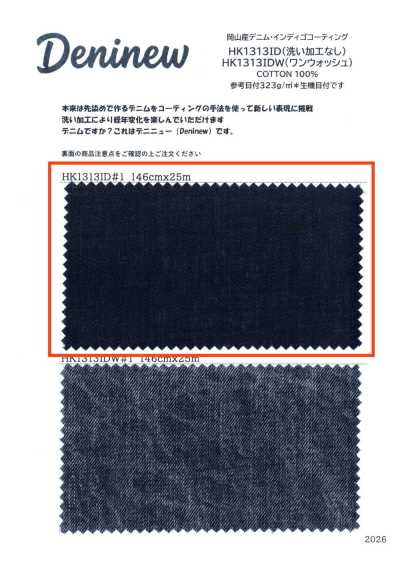
Denim generally refers to a thick twill textile, while indigo dyeing is a dyeing method. Not all textiles dyed with indigo are denim, and denim is not necessarily indigo dyed. When planning products, it is important to distinguish between the dyeing method and the weave structure and fabric weight.
- For spring and summer, it is used for lightweight shirts, blouses, dresses, and light apparel.
- For year-round and autumn and winter use, it is used for denim pants, jackets, overshirts, bags, and more.
How to Choose and Handling Precautions
When selecting a textile, check not only the hue and depth of color but also the test results for wash fastness, rub fastness, and light fastness. For dark-colored items, in particular, assume transfer due to friction in both dry and wet conditions, and consider contact conditions with white or light-colored linings, accessories, and furniture.
Shrinkage is determined mainly by the material, finishing process, and washing conditions, not by indigo dyeing itself. Before cutting and sewing, if necessary, carry out hot-water treatment or straightening and confirm the shrinkage rate. Because differences in shade and lot-to-lot variation affect the product’s appearance, mass production requires color confirmation by roll and management of part cutting.
For washing, wash separately or with dark-colored items, and follow the product’s washing instructions for detergent and washing conditions. During sewing, watch for rubbing against the presser foot or worktable, and for color transfer to white sewing thread, interlining, and tape, and carry out sewing tests and washing tests in advance.
Frequently Asked Questions
Are indigo dyeing and ai dyeing the same?
Ai dyeing generally refers to dyeing with a dye derived from indigo. Indigo dyeing includes not only natural indigo but also synthetic indigo, so in practice the origin of the dye, the dyeing method, and fastness conditions are confirmed in specifications and test results.
Is fading in indigo dyeing a defect?
In indigo dyeing, color changes caused by friction and washing may be planned as a characteristic of the material. However, transfer or fading beyond the acceptable range is a problem. Depending on the use, standards such as rub fastness and wash fastness are set and confirmed in advance.
Does indigo-dyed textile need to be washed before sewing?
It is not always necessary, but if shrinkage or twisting due to washing is a concern, a washing test is conducted before mass production to make the judgment. Even when washing is performed beforehand, the effect on the material and finishing process is checked, and shrinkage and color change are managed under the same conditions as mass production.