Stainless Steel
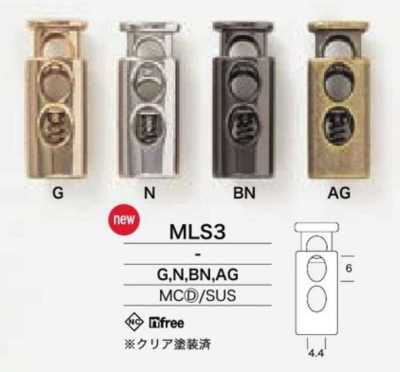
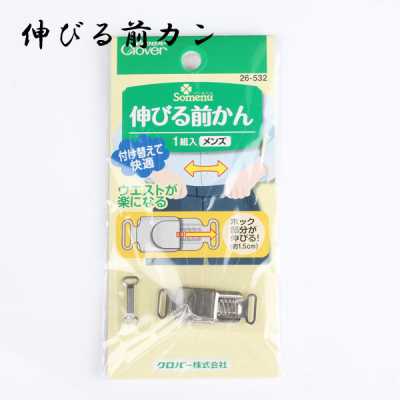
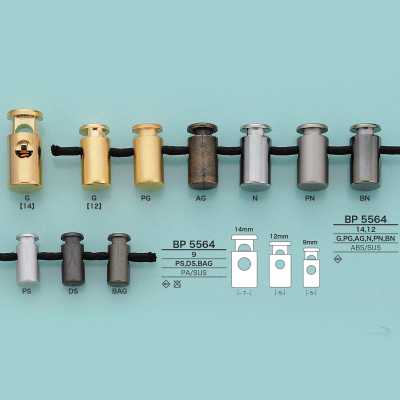
Stainless steel is an alloy steel made mainly of iron with added chromium and other elements to improve corrosion resistance, and is used for metal parts such as buckles, rings, and cord locks.
Contents6 sections
Definition and Overview
Stainless steel is an alloy steel made corrosion-resistant by a passive film formed on the surface. For accessories, it is used in metal parts such as buckles, rings, and cord lock metal parts, taking advantage of its strength, corrosion resistance, and metal appearance.
“Stainless steel” is a general term for materials, and hardness, corrosion resistance, magnetism, and appearance vary depending on the composition and processing condition. Even when something is labeled stainless steel, the entire part is not necessarily made of the same material, and there are also structures combined with resin parts.
Materials and Structure
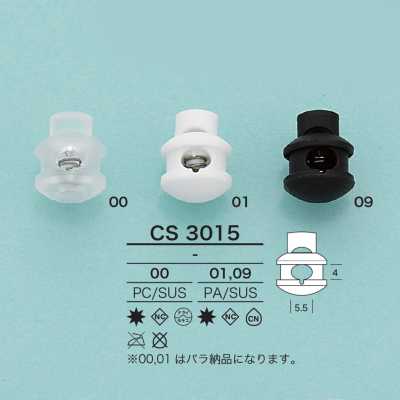
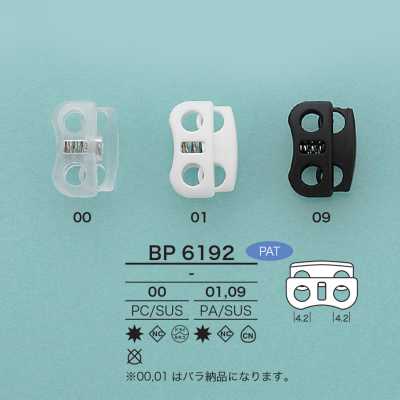
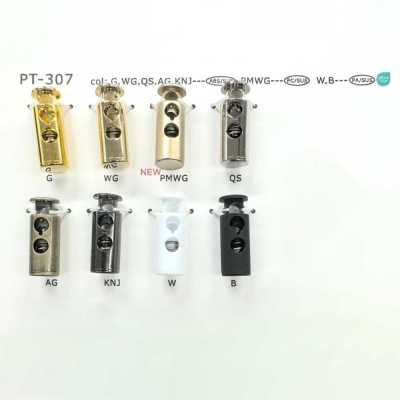
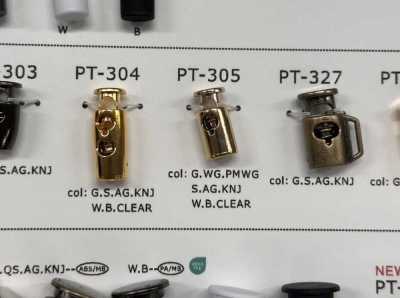
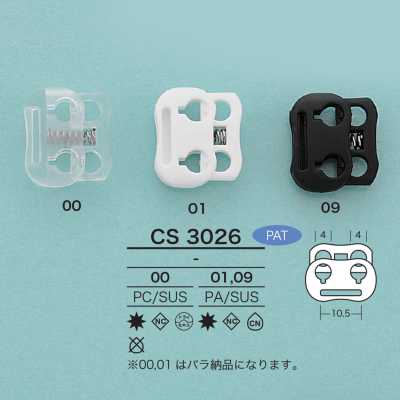
For rings, there are types formed into a loop by bending wire, and types made by bending sheet material. In cord locks and similar items, structures can be seen in which a stainless steel spring, flap, central part, or similar component is built into a resin body.
Because stainless steel is a ferrous metal, it is generally heavier than aluminum or resin. On the other hand, the practical strength of a part is not determined by the material name alone; it varies greatly depending on the material type, sheet thickness or wire diameter, shape, joints, and assembly method.
How Sizes Are Shown
Sizes of D rings, rectangle rings, slide adjusters, and similar parts are often indicated by the inner dimension of the part through which the tape or belt passes. If the inner dimension is smaller than the tape width used, the tape will not pass through; if it is too large, the tape will move more easily, affecting adjustability and appearance.
The thickness of the tape, folded sections, and seam allowance also affect pass-through. Rather than judging from the stated dimensions alone, confirm in prototyping how easily it passes through and how well it is held, including specifications where the actual tape is passed through twice and combinations with swivels.
- Inner dimension is the size of the opening through which the tape passes.
- Outer dimension is the overall size of the part and affects placement and appearance.
- Wire diameter and sheet thickness affect weight, strength, and edge feel.
Main Applications
It is used for bag strap hardware requiring corrosion resistance, cord locks for outdoor clothing, and rings around belts. In areas that are likely to be exposed to sweat or rain, specifications including the surface finish are considered according to the usage environment.
As apparel accessories, it is used not only for functional parts but also for design parts that show a metallic look. However, in positions that touch the skin directly or areas where weight is a concern, edge finishing, thickness, and the cold feel on contact also need to be considered.
How to Choose and Points to Note
For load-bearing applications, do not rely solely on the fact that the material is stainless steel as proof of strength; check the load capacity and failure mode of each part. For belt adjustment hardware, evaluate with actual parts whether the tape slips under load and whether deformation or wear occurs with repeated use.
Stainless steel is a material that resists rust, but discoloration or corrosion may occur depending on the usage environment, contact with dissimilar metals, surface scratches, or adhered dirt. For products exposed to seawater, salt, or chemicals, confirm the material and finish suitable for the intended environment.
Reaction to metal detectors varies depending on the type of stainless steel, the size of the part, and machine conditions. Do not judge metal detector compatibility based only on “stainless steel”; it is important to verify using the planned part and the conditions of the metal detector.
Frequently Asked Questions
For stainless steel rings, should I choose an inner dimension equal to the tape width?
As a basic guideline, choose an inner dimension close to the tape width used, but the required allowance changes depending on tape thickness and whether there is a fold-back. For parts such as slide adjusters where the tape is threaded in layers, check with prototypes how easily it passes through, how resistant it is to slipping, and whether the tape end is damaged.
Can stainless steel be detected by a metal detector?
Some types of stainless steel respond easily to metal detectors, while others do not respond consistently. It cannot be determined from the material name alone; the shape and size of the part and the detector settings also affect it. For products that require metal detector control, prior testing with the parts actually used is necessary.
Does stainless steel never rust?
Stainless steel has corrosion resistance, but it is not a material that will never corrode. Depending on conditions such as salt, chemicals, adhered dirt, scratches, and contact with different metals, transfer rust, discoloration, or corrosion may occur. Evaluation according to the usage environment is necessary.